
x
If you’re over 65 and worried about money, care costs or high utility bills, pensioner grants and benefits can significantly boost your budget. This guide shows which income top‑ups and disability payments you could get, plus how to claim help with energy, white goods and rent.
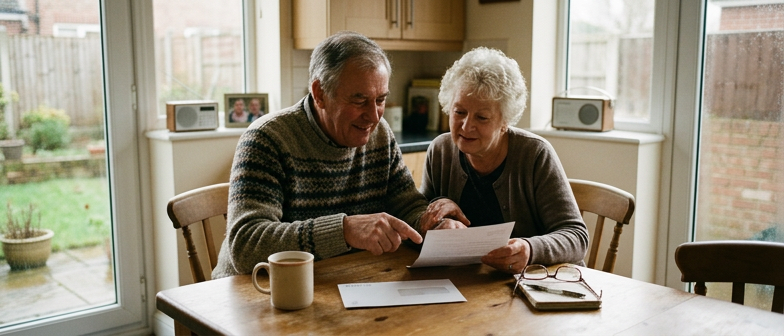
Pensioner Grants are pots of money or discounts that older people can receive on top of their State Pension and any private pensions. Unlike a loan, a grant normally does not need to be repaid and is meant to help with specific costs such as heating, rent, council tax, home adaptations or essential household items. They sit alongside the wider Benefits for 65 and older, including income top‑ups, disability support and help with care. Grants for older people can come from central government, local councils, energy suppliers or charitable funds linked to particular jobs, industries or communities, and each scheme has its own rules about who can qualify.
It helps to see benefits as regular payments for day‑to‑day living costs, and grants as one‑off or short‑term help for a particular need. Someone over 65 might get an income‑related benefit to boost their weekly budget while also applying for a grant towards a new boiler, mobility equipment or winter fuel bills. Most Pensioner Grants are aimed at people over State Pension age, but some focus on those on a low income, disabled pensioners or older people facing a sudden financial shock, so it is worth checking which kind of support fits your situation.
If you are over 65 and wondering what benefit you can claim to boost your income, the main starting point is Pension Credit. This means‑tested payment tops up your weekly income to a minimum level and is separate from your State Pension. For many people looking for benefits for those aged 65 and older, checking Pension Credit is the key step, because it can be paid even if you have some savings or a small private pension and can unlock extra Pensioner Grants and cost‑of‑living help.
Pension Credit has different rules if you are in a couple, and pension credit eligibility for couples is based on a joint claim. Your combined income, savings and pensions are assessed together, which affects whether you qualify and how much you receive. Being awarded Pension Credit can also act as a passport to other financial support for older people, including help with housing costs, council tax and some health‑related expenses, so it is worth checking even if you think your income may be slightly too high.
People asking what grants they can apply for in later life should also look at how Pension Credit interacts with disability‑related payments and local welfare schemes. Some national or local grants for older people, including schemes that help with energy bills or emergency essentials, may prioritise those already getting Pension Credit. If you are unsure which Pensioner Grants you could claim, a benefits check from an advice service can help you work out what financial support might boost your income and how to apply alongside your existing payments.
| Claim type | Income assessment focus | Typical extra help unlocked | Best suited for |
|---|---|---|---|
| Pension Credit – single person | Your own income and savings | Council tax help, housing support, cost‑of‑living schemes | Older person living alone or with low independent income |
| Pension Credit – couple | Joint income, pensions and savings | Higher combined top‑up, access to linked grants and rebates | Partners managing shared household costs on limited income |
| Pension Credit with disability benefits | Income plus disability‑related awards | Priority for local welfare schemes and energy help | Pensioner with long‑term health needs and extra costs |
| No Pension Credit but low income | Limited retirement income, some savings | Selective access to local grants and advice services | Older person just above means‑tested thresholds |
For couples, Pension Credit eligibility depends on both partners’ ages, income and savings, and you usually both need to have reached State Pension age unless you are a mixed‑age couple covered by older rules. Your joint income, including State Pension, private pensions and most benefits, is compared with a minimum level; if it is lower, Pension Credit can top it up. This extra support can be especially important for people in their late 60s and 70s with limited savings, and it can also unlock further help linked to benefits for pensioners over 70, such as reductions in council tax, help with rent and access to some energy or cost‑of‑living schemes, so checking your joint position is worthwhile.
Many Pensioner Grants focus on the extra costs that come with illness, long-term health conditions or needing daily support. If you are an older person with a disability, you may qualify for help even if you already receive the State Pension. These benefits for pensioners with disability are meant to cover help with washing or dressing, getting around safely or supervision day and night. They can sit alongside other benefits for people over 65, so it is worth checking what further support you can claim rather than assuming you already receive everything.
Attendance Allowance is the main disability benefit for pensioners over 70 and for anyone who has reached State Pension age with care needs. It is not means-tested, and is paid at two weekly rates depending on how much help you need. You do not have to employ a carer, but you must show you need personal care or support to stay safe. You can often apply for Attendance Allowance online by following the government application process and giving medical details and evidence about how your condition affects your everyday life.
Alongside Attendance Allowance, there may be other grants for older people with disabilities to help you manage at home, such as funds for small adaptations, mobility aids or extra care hours. These sit within the wider system of Pensioner Grants and can be especially helpful if you are an older carer or if your condition has recently worsened. When you look at what grants you can apply for, consider both regular disability payments and one-off help with equipment or services, and explain clearly how your disability affects you so advisers can match you to suitable schemes.
Attendance Allowance is a benefit for pensioners with disability who are over State Pension age and need regular help or supervision because of a long-term health condition. You do not need a carer, but your care or safety needs must last, or be expected to last, at least six months, and it is not affected by savings or income. It can increase other Pensioner Grants, so clearly explain how your condition affects your daily life, including at night.
To claim, complete the Attendance Allowance form, giving details of your health problems, treatments, support needs and any medical evidence such as hospital letters or medication lists. You can download a form, phone to request one, or in some areas start the claim online before posting a signed form. Keep copies, use recorded delivery if possible, and ask a local advice agency or older people’s charity for free help if needed.
If you are retired and struggling with gas or electricity costs, there are grants for older people that can reduce what you pay. Energy suppliers and local councils sometimes offer a pensioner utility bill grant or rebate, especially if you receive Pension Credit, live alone or have a long‑term health condition. You may also get help through winter and cold weather schemes, or from charitable funds linked to former employers or trade unions. These schemes are meant to stop people choosing between heating and other essentials, and they usually look at your income, savings and any health or disability issues.
Many people on low incomes also need help with essential household appliances such as a fridge, cooker or washing machine. Instead of endlessly searching online for white goods grants for pensioners, it can be quicker to contact your local council, a local welfare assistance scheme or a national charity that supports older people. Some provide vouchers, others arrange refurbished appliances, and a few offer small cash grants paid to the retailer. Awards are usually means‑tested, so you will be asked about your benefits, rent and debts, and why the item is urgent.
If you have mobility problems or a long‑term health condition, you may be able to get help with home adaptations as part of wider benefits for pensioners with disability. A Disabled Facilities Grant from your local authority can fund major changes like a level‑access shower, stairlift or ramp, while smaller aids such as grab rails or extra lighting may be supplied free after an occupational therapy assessment. Entitlement is usually based on your health, how your home affects your safety, and your income and savings.
What are pensioner grants and how do they differ from ordinary benefits?
Pensioner grants are one‑off payments or discounts, for example towards heating, rent or essential household items. They usually do not need to be repaid and are separate from ongoing benefits such as State Pension or Pension Credit.
If I am over 65, which benefit should I look at first?
Check Pension Credit. It is means‑tested and can top up a low income even if you have some savings or a small private pension. Receiving it can also unlock extra cost‑of‑living support and local grants for older people.
How is Pension Credit worked out for couples?
Your joint income and savings are compared with a minimum level. If you are both over State Pension age and your combined income is below that amount, Pension Credit can increase it and may also give extra help with rent and council tax.
What help is there for older people with a disability who need daily care?
If you are over State Pension age and need regular help or supervision because of a long‑term condition, you can claim Attendance Allowance. It is tax‑free, not based on your income, and can increase other benefits you get.
How can I find and apply for help with energy bills or white goods?
Check your local council, your energy supplier and large charitable funds. Many schemes prioritise people on a low income, including those getting Pension Credit or with health problems, and you usually apply online or by paper form.