
x
Thinking about a Music Performance degree but unsure how auditions, aural tests, entry grades and costs really work? This guide compares three‑ and four‑year routes, explains application deadlines and fees, and outlines how to prepare for interviews and conservatoire‑style assessments, including for international applicants.
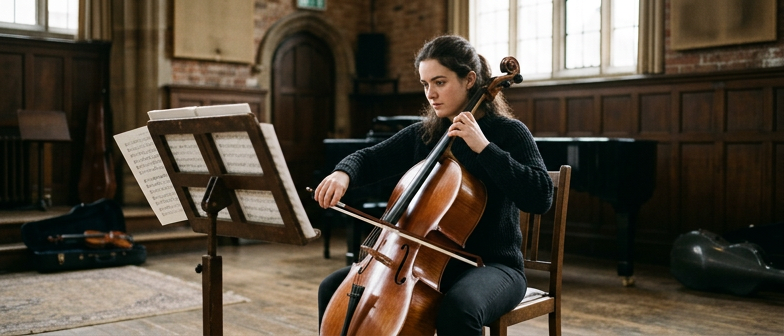
A Music Performance degree develops you as a confident performer while building core musical skills. You usually receive weekly one-to-one tuition on your main instrument or voice, plus ensemble work in orchestras, choirs, bands or chamber groups. Practical training is combined with academic study in theory, harmony, analysis, history and aural skills, so you learn both how to perform and how to interpret the music you play.
You take a mix of compulsory and optional modules, allowing you to shape the course around your interests. Core units focus on technique, practice methods, ensemble playing and performance psychology, while options might include composition, music technology, teaching skills or jazz and popular music. Regular performance classes, workshops and formal recitals provide milestones and detailed feedback on aspects such as tone, rhythm, interpretation and stage presence.
Assessment is mainly performance-based but not limited to a single recital. Typical elements include juried performances, contributions to ensembles, written work, listening tests and discussions of your artistic decisions. Many courses also use reflective journals or portfolios to track your preparation and responses to feedback. Whether you follow a three-year route or choose a four-year music degree with extra time for development, the aim is to equip you with the technical command, stylistic awareness and resilience needed for a sustainable performing career or further study.
Most Music Performance Degree courses expect both academic achievement and a clear track record as a performer. A common minimum A level profile is around BBB, often including Music, with tariff-based offers typically in the 112–136 UCAS points range. Some conservatoire-style providers emphasise your playing standard more than exact subjects, but many still expect a strong musical qualification or equivalent diploma. Whatever the mix, institutions usually look for a principal instrument standard close to Grade 8, and you should check each course to see whether it prioritises formal grades, audition performance, or a balance of both when setting minimum entry requirements.
English language entry requirements apply to Music Performance Degree applicants who need to prove they can cope with written work, ensemble directions and feedback. Courses usually ask for a specific result in a recognised test such as IELTS, with both an overall score and a minimum in skills like writing and listening. Some universities may accept previous study taught in English instead of a fresh test, but others insist on a recent certificate. The aim is to ensure you can follow technical instructions, contribute in seminars and understand assessment expectations throughout the degree.
A number of music degrees explicitly accept lower tariff points when a strong musical profile is evident, which can suit late starters, students from schools with limited music provision or those whose grades are below typical offers. On these Music Degrees Accepting Low Tariff Points, selectors often rely more heavily on your audition, portfolio and interview to judge musicality, commitment and readiness for conservatoire-style training. Think carefully about whether the course structure, practice load and teaching style genuinely match how you like to learn so that the programme suits both your current level and long-term goals.
| Institution type | Typical academic profile | Musical readiness | English language emphasis |
|---|---|---|---|
| Research-focused university | Moderate to high A level profile | Secure Grade 8-level playing | Balanced focus on writing and seminars |
| Conservatoire-style provider | Flexible on subjects, performance led | High audition standard, strong potential | Strong listening and rehearsal comprehension |
| Lower-tariff performance course | Lower formal entry profile | Developing technique with clear promise | Supportive approach to academic literacy |
| International pathway route | Progression via foundation study | Emerging performance skills | Intensive language development |
In a Music Performance degree, three-year routes focus on core performance skills, ensemble work and academic study, building towards final recitals. Four-year pathways usually add a structured placement or study-abroad year, sometimes in a partner conservatoire, giving extra time for professional experience and artistic development.
Programmes with an optional placement year offer valuable industry exposure but mean additional tuition fees, living costs and a longer time before you audition for work or postgraduate study. Decide whether finishing in three years suits your plans, or whether a fourth year will help you refine technique and contacts, and check how any placement is assessed and allocated before applying.
If you are working out how to apply for a Music Performance degree, start by deciding whether you will use UCAS, the specialist conservatoire system, or both. University courses with a strong performance element usually need an online UCAS form with a personal statement focused on your performing interests and an academic reference. Conservatoires use their own portals and expect more detailed musical information, including principal study, teaching history and graded exam results, plus audition preferences. Application deadlines vary, with many conservatoires closing in the autumn while most university-based courses follow the main January UCAS date; a few performance degrees share the earlier deadline used for highly competitive subjects. Map these Music Performance degree application deadlines carefully so you can sequence your statement, references and any recordings in time.
After submitting forms, your attention moves to auditions and related assessments, which shape the Music Performance degree international application process as well as applications from home students. Conservatoires and performance-led university departments typically ask for a live or recorded audition and may add a short interview. You are often asked for contrasting pieces that show technique, musical expression and stylistic understanding, with some institutions including sight-reading or aural tests. International applicants are usually offered a choice between travelling for an audition day and sending high-quality video, following strict guidance on repertoire, camera placement and unedited takes. Deadlines for audition material can fall before the main UCAS date, and some conservatoires run several audition rounds between November and February.
Strong practical planning supports a successful application. You must organise school or college references, academic transcripts and any English language evidence if you are applying from overseas and ensure they arrive before decisions are made. Some conservatoires also request repertoire lists, a short performance CV or a brief statement about your artistic aims, and may ask whether you are open to related pathways such as joint courses with pedagogy or composition. Keeping a simple record of each course, its specific requirements, audition format and separate conservatoire deadlines helps you stay in control while tailoring every application to present your strengths as a performer.
When budgeting for a Music Performance Degree, factor in both audition charges and tuition. Conservatoires often add a separate audition fee for each course or principal study, while universities usually include selection costs in the main application, especially if they rely on recordings or school references. When you compare music performance tuition fees, check whether one‑to‑one lessons, ensembles and facilities are included or billed on top, as small annual differences become significant over a three or four‑year course.
Effective preparation for a music performance degree audition starts with repertoire that shows musical personality and secure technique. Choose contrasting pieces that reveal tone, dynamic control, rhythmic accuracy and stylistic awareness, rather than simply the hardest works. Check each institution’s audition guidance to see whether they require set pieces, studies, own-choice works or sight-reading, and plan your programme accordingly. Panels usually assess intonation, rhythm, articulation, phrasing and overall communication, often grouped under headings such as technical command, musical interpretation and potential for development, so rehearse your whole programme under mock audition conditions.
Thoughtful music degree interview preparation helps selectors understand how you think as a developing artist. You may be asked why this particular course appeals, what you learned from recent performances, and how you respond to feedback. Some departments emphasise academic discussion of set works, harmony or music history, while conservatoires often focus on artistic aims and understanding of the professional music world, but all look for curiosity, resilience and realistic self-knowledge. Before the interview, re-read your personal statement, be ready to discuss pieces you have performed or listened to recently, and practise explaining your long-term goals and how the course structure and ensembles will support them.
Knowing how to prepare for conservatoire aural tests stops this element undermining an otherwise strong audition. Typical tasks include clapping rhythms, repeating short melodic phrases, identifying intervals and chords, describing cadences, and commenting on features of a brief listening extract such as texture, tonality or metre. Build these skills by adding daily ear training to your practice, singing scales and arpeggios, drilling intervals with a piano or app, and analysing recordings for harmony and structure. Use any sample aural materials provided to familiarise yourself with format, and demonstrate steady pulse, accurate pitch and calm musical thinking under pressure.
How do I apply for a Music Performance degree and what deadlines matter?
Most courses use UCAS; many conservatoires use their own portal. Some performance routes share the October deadline, others close in January. Check each provider for dates for recordings, references and auditions so you can book and submit on time.
What are typical A level and English language entry standards?
Many programmes ask around BBB at A level, often including Music, or about 112–136 UCAS points, plus performance near Grade 8. English language requirements often sit around IELTS 6.0–6.5, with minimum scores in each component depending on the institution.
How can I prepare for auditions, interviews and conservatoire‑style aural tests?
Pick contrasting pieces that show tone, rhythm and musicality. Practise scales and sight‑reading, record mock auditions, and rehearse talking about your pieces. For aural work, drill intervals, chords and rhythms using past tests and short, timed practice sessions.
Are there three‑year and four‑year routes, including optional placement years?
Some degrees run for three years, while others add a fourth year for a placement in an orchestra, school or arts organisation. Placements build experience and contacts but add fees, living costs and time away from full‑time studio practice.
What should international applicants know about fees and the application process?
International students pay higher tuition and may face separate audition fees. Applications usually need transcripts, proof of English, references, a passport copy and live or recorded auditions. After an offer, you must secure funding, pay any deposit and obtain the correct study visa.