
x
Rents are climbing, rules are shifting and city living in Britain is quietly reinventing itself. From compact urban boltholes to polished high-rise retreats, a new mix of flexibility, amenities and professional management is reshaping how people choose, pay for and experience their next home.
Living in the absolute heart of a metropolis has always been synonymous with convenience. The transport links are unbeatable, and the social scene is on your doorstep, but this accessibility comes with a significant premium. For decades, tenants have accepted that securing a central postcode means paying higher prices for less square footage. However, a significant shift is occurring as renters look beyond the capital and immediate commuter belts. By turning their gaze toward northern powerhouses or regional cultural hubs, the rental landscape changes dramatically.
In cities like Manchester or cultural centres like Glasgow, the market offers a different value proposition. Here, the budget that might secure a cramped studio in the south can often command a spacious one-bedroom property or even a penthouse with a view. This isn't just about saving money; it is about upgrading the quality of domestic life. For professionals who have adopted hybrid working models, the necessity of being within walking distance of a corporate HQ has diminished. Consequently, the trade-off is swinging in favour of "northern gems" where a tenant can enjoy a higher standard of interior finish, larger living areas, and a lower overall cost of living. This migration is driving a regeneration of these areas, transforming them from industrial echoes into vibrant communities with their own distinct identities, rivaling the traditional allure of the capital.
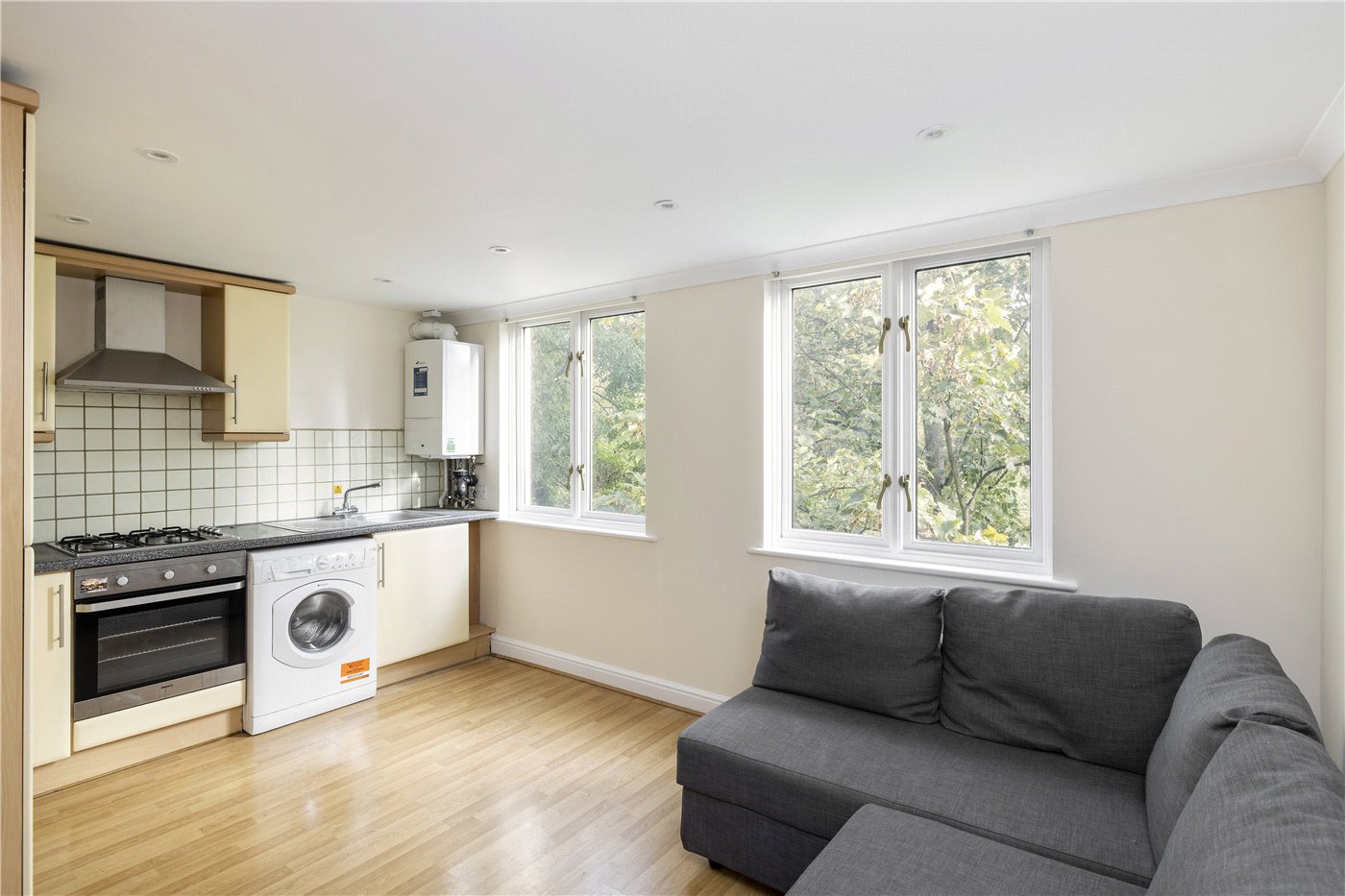
Conversely, for those who remain committed to the hustle of the capital or major city centres, the strategy has shifted towards efficiency. There is a robust market for tenants who prioritise location above all else, often willing to compromise significantly on floor space to remain close to the action. This has led to the popularity of well-designed, compact living spaces. These properties, often found in areas akin to London’s Zone 2, are designed for the "experience-first" generation.
The logic here is purely functional: if you are a young professional who works long hours and spends weekends socialising in the city, the home becomes a functional base rather than a sprawling sanctuary. A smaller footprint translates to lower heating bills, less cleaning time, and a reduced environmental impact. It forces a decluttering of lifestyle that many find liberating. These compact units—often high-spec studios or efficient one-beds—are engineered to maximise every inch of storage and usability. For this demographic, the "luxury" isn't the square footage, but the ability to walk to work or the local high street, eliminating the dead time of a long commute. It is a calculated decision to invest in the external lifestyle rather than internal space.
| Feature | Traditional City Centre Rental | Regional/Northern Rental Hubs |
|---|---|---|
| Primary Appeal | Proximity to work, nightlife, and cultural landmarks. | significantly more space and higher specification for the same budget. |
| Typical Layout | Compact studios or efficient 1-bed flats; focus on vertical living. | Spacious apartments, often with dedicated dining or office areas. |
| Lifestyle Fit | "Always on" professionals who treat home as a base. | Hybrid workers, couples, and those seeking work-life balance. |
| Cost Dynamics | High rent premium; value comes from saved commuting time. | Lower rent and general living costs; value comes from property quality. |
A growing trend in the UK rental market is the "bills-included" tenancy. Originally the domain of student accommodation, this model has rapidly expanded into the professional sector, particularly within the luxury apartment sphere. The proposition is seductive in its simplicity: one single monthly payment covers rent, electricity, water, heating, and high-speed internet. For those moving to the UK for the first time, or for short-term contractors who wish to avoid the administrative headache of setting up utility accounts, this offers peace of mind and predictable budgeting.
However, convenience often carries a hidden price tag. When utilities are bundled, the landlord or management company must hedge against rising energy prices and potential overuse. Consequently, the monthly figure often includes a buffer or premium that exceeds the actual cost of usage. Tenants are essentially paying for the administration and the risk transfer. Furthermore, in an era of fluctuating energy caps, locking in a fixed price can be a gamble. While it prevents shock bills during winter, it may mean overpaying during the milder months. Renters considering these packages need to scrutinise the contract details: is there a "fair usage" policy? Does "inclusive" cover council tax? Understanding these nuances is vital to ensuring that the ease of a single payment doesn't erode your disposable income.
Beyond the basic rent, the modern flat hunter must be vigilant regarding service charges, a cost component that is becoming increasingly prominent in high-end developments. As buildings evolve into "vertical villages" with lifts, concierge desks, and complex security systems, the cost of maintaining this infrastructure rises. In a standard private let, these might be absorbed or minimal, but in managed blocks, they can be substantial.
Tenants often focus solely on the headline rental figure, forgetting that service charges can add hundreds of pounds to the monthly outlay if not explicitly included in the rent. Additionally, the quality of management matters. A high service charge should correlate with impeccable upkeep—clean communal areas, functioning lifts, and responsive security. If the building is ageing or poorly managed, tenants may find themselves paying premium rates for subpar service. It is also crucial to ask about the history of "surprise" costs. While major structural repairs are typically the landlord's responsibility, ambiguous clauses in some tenancy agreements can sometimes pass minor maintenance burdens onto the occupier. A savvy renter looks at the "total cost of ownership" of the tenancy, not just the weekly rent.
The criteria for selecting a home have expanded well beyond the physical walls of the apartment. In the competitive UK market, particularly in build-to-rent sectors, the communal amenities are often the deciding factor. We are seeing a shift where the building is expected to provide a lifestyle, not just shelter. Young professionals are increasingly drawn to developments that feature on-site gyms, co-working lounges, and private cinema rooms.
This is driven by a desire for efficiency and community. Why pay for a separate gym membership and travel to a co-working space when both are available in your lobby? These amenities also tackle the issue of isolation in big cities. Shared roof terraces and resident lounges provide organic spaces for neighbours to meet, fostering a sense of community that is often lacking in traditional converted street properties. For the work-from-home demographic, a high-quality "business lounge" within the building is a game-changer, allowing for a mental separation between "home" and "work" without leaving the premises. While these features drive up the rental price, many tenants justify the cost by offsetting it against travel and external membership savings.
| Tenant Priority | Traditional Private Let | Modern "Lifestyle" Development |
|---|---|---|
| Pet Policy | Often restrictive; requires negotiation with individual landlords. | Increasingly "Pet-Friendly" by default, sometimes with pet spas/parks. |
| Maintenance | Dependent on the landlord's schedule and budget. | On-site maintenance teams with formalised response times. |
| Community | Limited to immediate neighbours; rare social interaction. | Curated events, shared lounges, and app-based community groups. |
| Contract Length | Typically 12 months fixed. | Flexible options; from short stays to 3-year secure tenancies. |
Two specific demands are reshaping the rulebook: pets and flexibility. Historically, finding a rental in the UK that accepted animals was a notoriously difficult task. However, the surge in pet ownership has forced the market to adapt. Newer developments are actively marketing themselves as "pet-friendly," recognising that for many, a dog or cat is a non-negotiable family member. Some luxury blocks even go as far as providing dog washing stations or walking services, turning a former deal-breaker into a unique selling point.
Simultaneously, the rigidity of the 12-month lease is softening. The modern workforce is mobile. Short-term rentals and rolling contracts are becoming more common to cater to project-based workers or those in transitional life stages. This flexibility allows tenants to move for opportunities without being shackled by long-term financial commitments. This fluidity is supported by the rise of corporate management. Unlike individual amateur landlords who may rely on the rent for their mortgage and fear void periods, large-scale institutional operators can absorb the turnover and offer flexible terms as a premium service. This professionalisation of the landlord-tenant relationship offers a layer of security and standardisation that was previously missing from the UK rental market.
How can I quickly compare London Zone 2 flats for rent to get the best value for money?
Focus on travel time, council tax band, energy efficiency and service charges, not just rent. Use map-based searches, filter by commute and check recent local rents to avoid overpaying.
What should I check before signing for a 1‑bed flat for rent in Manchester?
Confirm if it’s city centre or suburban, soundproofing in new-builds, parking or tram access, and whether furnishings and white goods are included. Ask about broadband options and building management responsiveness.
Are studio flats to rent in Glasgow suitable for remote workers?
They can be if you prioritise natural light, space for a desk and strong broadband. Check EPC rating for winter heating costs and ask about noise levels, especially in student-heavy or nightlife areas.
What are the pros and cons of apartment rentals with bills included in the UK?
They simplify budgeting and suit short stays or house‑sharing, but the rent often includes a premium and usage caps. Always ask what’s covered, any fair‑usage limits and how rent is adjusted if bills fall.
How do I secure pet‑friendly or short‑term luxury apartments to rent in the UK?
Prepare a “pet CV”, offer a slightly higher deposit or pet rent, and show strong references. For short‑term or luxury lets, move fast, have ID and proof of income ready, and clarify cleaning and break‑clause terms upfront.