
x
Hours hunched over screens, forgotten SPF and natural collagen loss often show up first below the chin: creases deepen, texture turns crepey and the jawline softens. Targeted formulas promising lift, bounce and renewed smoothness now claim to rewrite that story for neck and chest.
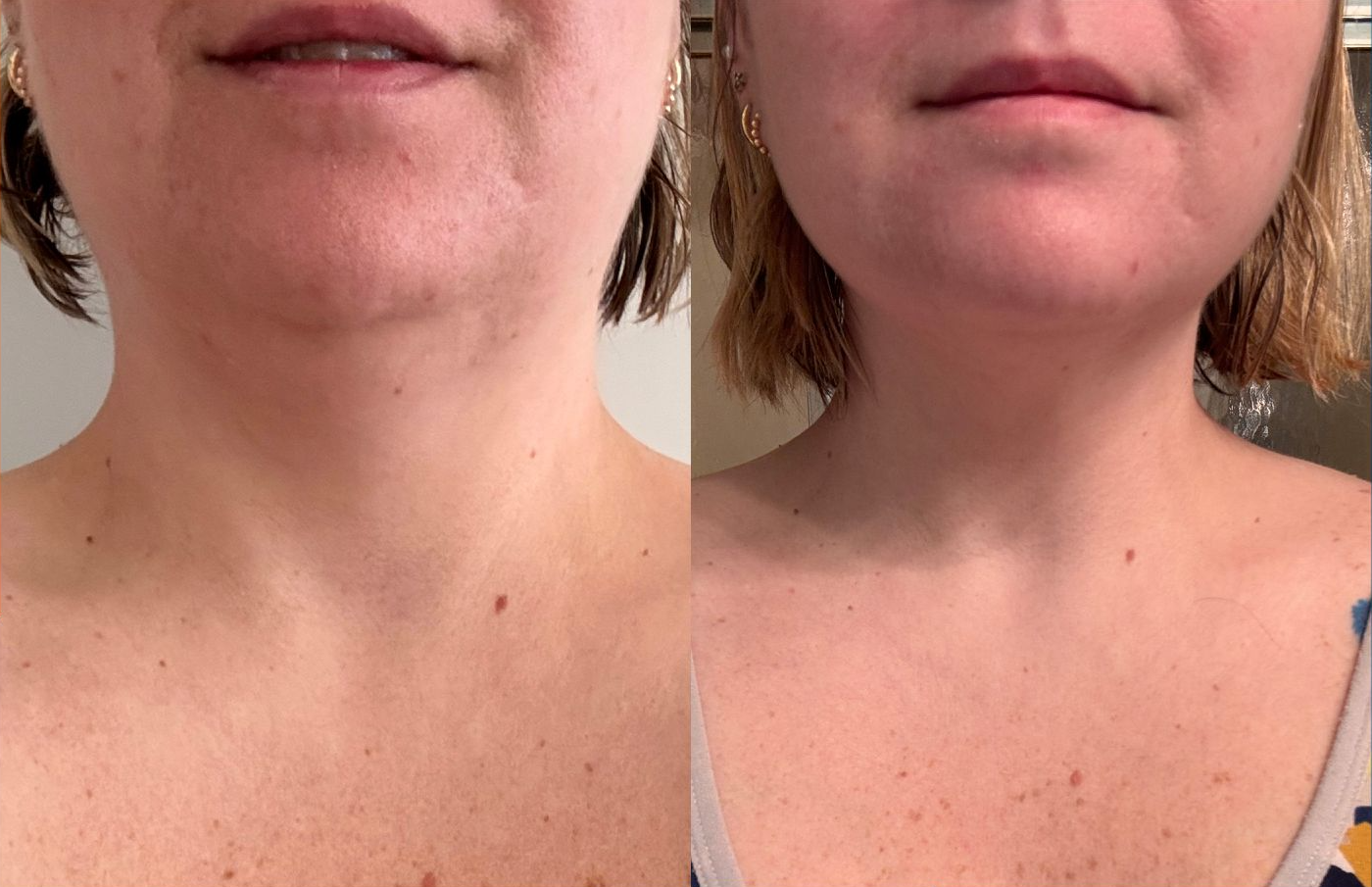
Skin below the chin has fewer oil glands, a thinner padding of fat and a more delicate support network. Constant bending as you look down at phones or laptops folds this tissue in the same spots, day after day. Over time those folds shift from temporary creases to etched bands that stay even when you’re upright. Many people only notice once photographs start catching deep rings and a softer jaw, while facial skin still looks relatively firm and bright.
The neck and upper chest sit in a tricky position: barrier function is a bit fragile, yet the area is exposed to sun, wind and temperature changes almost all year. Because daily skincare often stops at the chin, this whole zone receives less moisture, fewer repairing ingredients and far less UV protection. The result tends to build quietly: dryness, roughness, uneven tone and fine cross‑hatching creep up until one morning the mirror shows a noticeably older‑looking neckline that no foundation or concealer can easily disguise.
Beyond skincare, posture quietly shapes the look of the neck. High pillows, tight side‑sleeping, hours of slouching at a desk or craning forwards towards a small screen all increase pressure on the same folds. Collars, scarves and jewellery can rub an already delicate surface. Even the habit of tugging at the skin while applying fragrance adds up. Without changing these background stresses, any cream is fighting against fresh creasing every single day, which is why lifestyle tweaks matter as much as the jar on the bedside table.
A well‑designed product for this zone does several jobs at once. First comes hydration that actually lasts: humectants such as glycerin and hyaluronic acid draw water into the outer layers, softening that papery, crinkled look. Lightweight oils, squalane or ceramide blends then seal it in without leaving a greasy film on clothing. This inner and outer support makes the surface look smoother straight away and reduces that tight, fragile feeling that often shows up after central heating or a hot shower.
True “lift” is mostly about long‑term support. Gentle vitamin A derivatives, peptide complexes and certain botanical extracts can encourage better collagen and elastin organisation when tolerated consistently. Low‑strength lactic or fruit acids, used carefully, help shed dull buildup so repairing ingredients sink in more evenly. Texture‑focused components such as silky silicones and fine powders blur the look of lines and reduce friction when the neck moves. Antioxidants, including vitamin C derivatives, vitamin E, niacinamide and polyphenol‑rich extracts, step in to limit the day‑to‑day damage that would otherwise break down fresh collagen faster than new support can form.
A face moisturiser with solid barrier, hydrating and antioxidant ingredients can absolutely be taken down to the neck if the texture spreads easily and does not sting. Dedicated products, however, often tweak the balance: they lean more into long‑lasting moisture and cushioning, build in slip for massage, and keep stronger renewing agents at milder levels for this thinner skin. Many also focus on the upper chest where speckled pigmentation and vertical creases appear. For someone already seeing pronounced bands or crepey patches, a formula targeted to these patterns may feel more satisfying to use regularly.
| Goal around the neck area | When a face cream is usually enough | When a dedicated product helps more |
|---|---|---|
| Mild dryness, faint lines | Hydrating face lotion taken down to collarbone | Extra cushioning texture that stays put through movement |
| Noticeable bands, crepey look | Only if formula contains firming and renewing ingredients and feels gentle | Blend designed for support, texture blurring and long‑wear comfort |
| Patchy tone across upper chest | Brightening face cream used generously | Formula combining brightening, soothing and stronger barrier support |
When people think about firmer skin, they often think of vitamin A derivatives. In this fragile zone they need to be used with care: lower strengths, alternate‑night schedules and plenty of buffer moisturiser. Over time they can smooth roughness, refine tone and subtly reduce fine etching. Peptides have become another staple here, sending signals that encourage better scaffolding within the dermis. Some formulas include muscle‑relaxing style peptides, aiming to soften the tension around horizontal bands, though results tend to be gradual rather than dramatic.
Seemingly simple ingredients often do the heavy lifting. Humectants hold water within the outer layers, instantly plumping shallow lines so they catch less light. Lipid‑rich components such as ceramides, cholesterol and fatty acids rebuild a damaged barrier, while plant oils and butters cushion the surface against friction from fabric and jewellery. In many cases, restoring this protective envelope reduces itch, dullness and that “wrinkled paper” texture more visibly than any high‑tech active alone, especially in centrally heated homes or air‑conditioned offices.
The upper chest is prone to tiny speckles, dull patches and redness. Niacinamide, vitamin C derivatives and various botanical extracts support a more even tone over months of use, helping lines blend into the background. Antioxidants from green tea, resveratrol‑type molecules or seed extracts neutralise part of the damage triggered by UV and pollution. Soothing agents like centella, beta‑glucan and bisabolol calm the irritation that can make this area feel sore and look blotchy after a day of collars, perfumes and straps, keeping the skin in a state where more active components are better tolerated.
Application style matters almost as much as the label. After cleansing and using lighter serums on the face, take a pea‑to‑bean‑sized amount for the neck and another for the upper chest. Warm it between hands, then start at the collarbone, gliding upwards with both palms in long, gentle strokes towards the jawline. Pressure should feel like smoothing a silk scarf, not kneading dough. Around deep bands, switch to light circular motions with finger‑pads, allowing product to settle into the creases without forcibly stretching the skin. Evening is a good time for a slightly richer layer; mornings usually call for a thinner coat that still sits comfortably under clothing.
Most people do best with twice‑daily use of a hydrating, soothing formula, then build in stronger renewing ingredients a few nights each week if the skin tolerates them. Any persistent stinging, pronounced redness or flaking is a cue to slow down, add more plain moisturiser or step back entirely for a while. Beyond the bathroom, aim to lift screens closer to eye level, soften shoulders back instead of hunching and choose a pillow height that keeps the neck in a natural curve. Short, regular breaks from looking down at devices help prevent new folds from deepening while the cream works quietly in the background.
Not every neck needs the same focus. Some people are mainly bothered by dryness and fine, shallow lines; others notice blurred jaw contours and soft fullness under the chin; some struggle with redness and stinging from fragranced products. Those with drier, line‑prone skin usually benefit from a creamier, more cocooning texture full of lipids and humectants. Where the main concern is definition, lighter gels or lotions with a higher emphasis on peptide and firming complexes may feel more appropriate, especially if they include short‑term tightening polymers for special occasions.
Choice also depends on daily life. High collars, scarves and ties sit close to this area; a very rich balm may transfer, feel sweaty or trap heat. In that case, a breathable lotion with good slip but minimal residue is more comfortable. In drier indoor climates, a richer night‑time product plus a lighter morning layer can balance comfort and practicality. Scent level matters too: heavily perfumed creams may clash with fragrance or irritate reactive skin, so fragrance‑light or fragrance‑free options are often safer for those who flush easily.
| Main neck concern | Texture that tends to suit | Extra features worth seeking |
|---|---|---|
| Dryness and fine, scattered lines | Creamy, cushiony formulas | Strong barrier repair, soothing agents |
| Softer jawline and mild sagging | Lightweight cream or gel‑cream | Peptides, supportive polymers, massage‑friendly slip |
| Redness and easy irritation | Simple, fragrance‑light emulsion | Minimal actives, ceramides, calming botanicals |
Choosing a product you actually enjoy applying every day matters more than chasing the most complicated ingredient list. When texture, scent and comfort fit smoothly into existing habits, consistency follows – and with it, a slower slide into crepiness, softer‑looking bands and a neckline that feels more in step with the rest of your skin.
What should I look for in the best neck firming cream for visible lifting?
Choose formulas with peptides, retinol, niacinamide and hyaluronic acid, plus SPF for daytime. Avoid heavy fragrance if you’ve sensitive skin, and expect firming to be gradual over 8–12 weeks.
How is a neck tightening cream different from a standard face moisturiser?
Neck creams are usually richer, with more firming actives and elasticity-boosting ingredients to target thinner, crepe‑prone neck and décolletage skin, while facial moisturisers focus more on hydration and barrier repair.
Can a neck lift cream really help a sagging neck or is surgery the only option?
Creams can’t mimic surgical lifts, but consistent use can improve texture, fine lines and mild sagging. Combining a firming neck moisturiser with SPF, gentle massage and posture care maximises non‑invasive results.
How should I apply firming cream for neck and décolletage for best results?
Use a pea‑sized amount, apply in upward strokes from collarbone to jawline, and extend to the décolletage. Apply twice daily on clean, dry skin and let it absorb fully before sunscreen or makeup.
When should I start using an anti-aging neck cream to prevent neck wrinkles?
In the UK climate, starting a neck wrinkle cream in your late 20s to early 30s is sensible, especially if you’re often on screens; prevention with daily SPF and firming ingredients works better than correction.