
x
A hurried scrawl on a programme, a name across a match‑worn shirt, a flourish on a rare comic—each could be a treasure or a costly illusion. As values climb and counterfeits improve, collectors increasingly rely on structured proof before money, or memories, change hands.
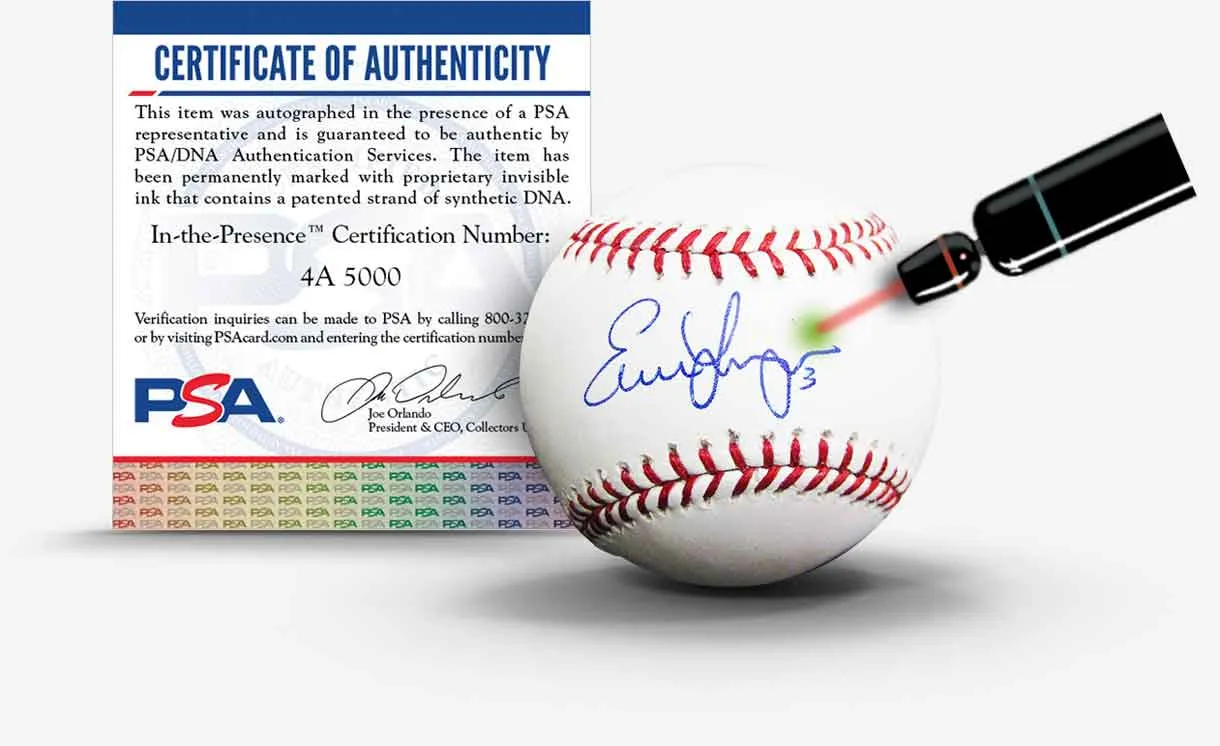
For many people in the UK, it starts with something forgotten in a drawer: a signed ticket, a gig photo, a shirt from a big match. At first it feels purely personal, not financial. The shift happens when you start asking what it is actually worth—often after insurance paperwork, downsizing, or seeing auction results. From that moment, a memento can quietly become an asset, whether or not you intend to sell.
Once that shift happens, the question moves from who signed it to who would believe in it. Value depends less on memory and more on evidence that others trust. That usually comes from expert opinion, a clear ownership history, and physical consistency with the item’s era. Without that, even genuine pieces struggle in the market. With it, they can sit alongside art or rare collectibles.
Value is rarely about the signature alone. A slightly imperfect autograph on a historically important item, backed by tickets, photos, or provenance, can be worth more than a perfect signature on an unrelated print. Collectors are buying a believable piece of history, not just ink.
Three factors shape that belief:
Two similar signed items can end up priced very differently depending on whether that supporting structure exists. One feels “complete”, the other uncertain. That difference drives most of the market.
For anyone holding signed memorabilia in the UK, the practical shift is simple: treat items as potential assets early, and keep even small pieces of context—photos, dates, or purchase notes—because they may matter far more later than the signature itself.
| Situation | Likely collector reaction | Typical impact on saleability |
|---|---|---|
| Strong story, expert backing, honest ageing | Seen as a credible historical object | Wider interest, easier to place with serious buyers |
| Attractive signature, weak or vague background | Admired but approached cautiously | Narrower pool of buyers, more haggling on risk |
| Famous name, no evidence, fresh‑looking item | Treated as high‑risk, often avoided | Hard to move except at “speculative” levels |
Pieces that land in the first row tend to move quickly when the time comes to sell, whether through a local specialist, an auction or a reputable online marketplace.
Even without expertise, people can often sense when a signature feels “off.” Specialists go much further, studying how an individual’s handwriting evolved over time, how quickly they signed under pressure, and how different pens or surfaces affected the result.
Authentic signatures tend to show consistent micro-patterns: where the pen lifts, how letters connect, how pressure increases on fast strokes and lightens on curves. These details are difficult to fake repeatedly. A signature that looks overly controlled, with hesitant pauses or unnaturally even curves, can raise more suspicion than a slightly messy one produced in a busy signing environment.
Trust also comes from provenance—the story of how the item moved from creator to collector. Was it signed at a public event, backstage meeting, or book signing? Supporting traces like tickets, wristbands, photos, emails, or programmes help build context. No single piece is decisive, but together they form a believable timeline.
In the UK, many long-held items include informal notes, old receipts, or dealer stickers that seem minor but often help connect the history. By contrast, vague explanations like “bought years ago from a friend” or inconsistent stories tend to weaken confidence, even if the signature itself looks convincing.
Condition plays a quiet but powerful role in trust. A genuinely old item that looks unnaturally perfect can be as suspicious as one that is excessively damaged. Collectors expect ageing to match the item’s history: slight fading, gentle edge wear, or signs of framing and handling.
Experts also assess materials. Certain photo papers, inks, and printing methods only appeared in specific periods. If the materials don’t match the claimed era, the authenticity becomes doubtful. Likewise, ink sitting strangely on the surface or behaving like modern marker can conflict with a vintage claim.
In many cases, “honest wear” that aligns with age feels more convincing than perfection, because it matches what real objects typically survive through over time.
Specialists spend significant time analysing each piece. They compare signatures with verified examples across different periods, looking for natural variation over time, context-based changes, and known quirks in handwriting. They also study ink flow, pressure, and whether writing matches the surface it appears on, helping detect reproduction or artificial copying.
They then examine the object itself: paper type, printing methods, stitching, publisher marks, and manufacturing details. These physical clues often date an item more reliably than any accompanying story. When handwriting, materials, and historical context align, confidence rises; when they conflict, doubts quickly grow. This combined analysis turns opinion into structured assessment suitable for valuation or sale.
After review, reputable services provide more than a verdict. They issue written reports with images, key observations, and clear reasoning, often with a unique reference number for future verification.
This documentation strengthens credibility. Instead of relying on personal memory, owners can present expert-backed evidence that buyers, insurers, and auction houses can independently review. As a result, well-documented items typically attract stronger interest, smoother sales, and fewer disputes.
| Type of supporting evidence | How it helps a cautious buyer | Typical role in a UK‑style sale |
|---|---|---|
| Independent written opinion with images | Shows that specialists have reviewed the item in depth | Often treated as a baseline requirement for higher‑end pieces |
| Clear chain of receipts and notes | Helps trace ownership and timing | Makes due‑diligence checks quicker and less stressful |
| Quality photos of the item and signature | Lets remote buyers inspect key details | Influences confidence in online and hybrid auctions |
Not every item justifies the same level of investment in paperwork, but understanding these layers helps owners decide where to spend money wisely.
Face-to-face checks at fairs, valuation days, or specialist shops offer what screens cannot: physical inspection. Handling an item allows experts to feel paper quality, tilt it under light, and inspect the reverse side. In the UK, this might happen at regional shows or informal home visits. Subtle signs—indentations, glue lines, or paper ripple—often only appear under direct handling.
These settings also add context. Experienced dealers may recognise framing styles, printing batches, or even past waves of forgeries linked to specific events. Even if you later use a formal authentication service, this early insight helps prioritise which items deserve deeper investigation and which are mainly sentimental.
Digital tools have enhanced authentication without replacing human judgement. High-resolution imaging reveals fine details such as ink flow, pressure changes, and microscopic surface marks. Zooming and relighting images can expose signs of later additions or inconsistencies in signatures.
Digitised reference archives also allow side-by-side comparison with verified examples across different time periods, making pattern recognition more precise. Some systems even measure spacing and angles to support expert analysis with data.
In the UK, this combination is particularly effective: items can be physically examined at trusted centres, then digitally analysed in detail, producing a more complete and consistent evaluation than quick in-person checks alone.
Once an item is checked and documented, presentation becomes a major driver of value. Clear, well-lit photos that show the full item, close-ups of the signature, and any labels or certificates help buyers assess it confidently. Over-edited images, filters, or awkward angles that hide flaws tend to reduce trust rather than increase appeal.
Descriptions work best when they are simple and factual. State who signed it, what the item is, how it was obtained, and what documentation is included. Be honest about condition—fading, marks, or wear. In the UK market, buyers usually accept natural ageing, but they respond poorly to missing or undisclosed flaws. Transparency builds credibility and improves long-term selling relationships.
Different items suit different sales channels. Lower-value or lightly documented pieces often work well on general online platforms or local fairs. Higher-value items with strong provenance are usually better suited to specialist auctions, niche dealers, or curated collector platforms.
Timing can also influence interest. Events like anniversaries, reunions, or public appearances can briefly increase demand, but the main value driver remains consistent: provenance, condition, and trust.
For UK collectors, treating signed items as part of a structured record—stored safely with clear documentation—makes future sales smoother. It ensures that what began as a casual keepsake can be confidently understood, valued, and passed on without confusion or doubt.
How does a professional Autograph Authentication Service verify that a signature is genuine?
A specialist compares ink flow, pressure patterns, signature evolution over time and known exemplars, often using magnification, UV light and database checks, then issues a written certificate of authenticity.
What factors influence Celebrity Autograph Valuation in the UK market?
Value depends on the celebrity’s significance, rarity of the item, condition, historical context, provenance, market demand, and whether the autograph is on a premium medium like jerseys, posters or vintage photos.
What should I prepare before I Sell Celebrity Autographs to maximise my return?
Gather any proof of purchase, photos of the signing, previous certificates, and get an up‑to‑date appraisal; presenting clear provenance and a recent authentication usually secures stronger offers.
Why is a Signed Memorabilia Appraisal important for insurance and inheritance planning?
A formal appraisal provides an objective, documented market value that insurers, solicitors and HMRC can recognise, helping set correct cover levels and simplifying estate division or capital gains calculations.
How do Autograph Authentication Near Me and Autograph Authentication Service Online compare?
Local services allow in‑person inspections and instant discussion, while online experts offer broader specialist choice, digital submissions and often lower costs; many collectors use both, starting online then confirming locally.