
x
Zero-cost borrowing sounds like a dream: spread a big purchase, shuffle old balances, or skip paying extra charges for months on end. Yet every tempting offer hides a countdown. Charges, fees and eye‑watering rates can kick in fast if timing, limits and repayments are misjudged, turning “free” borrowing into expensive long‑term debt.
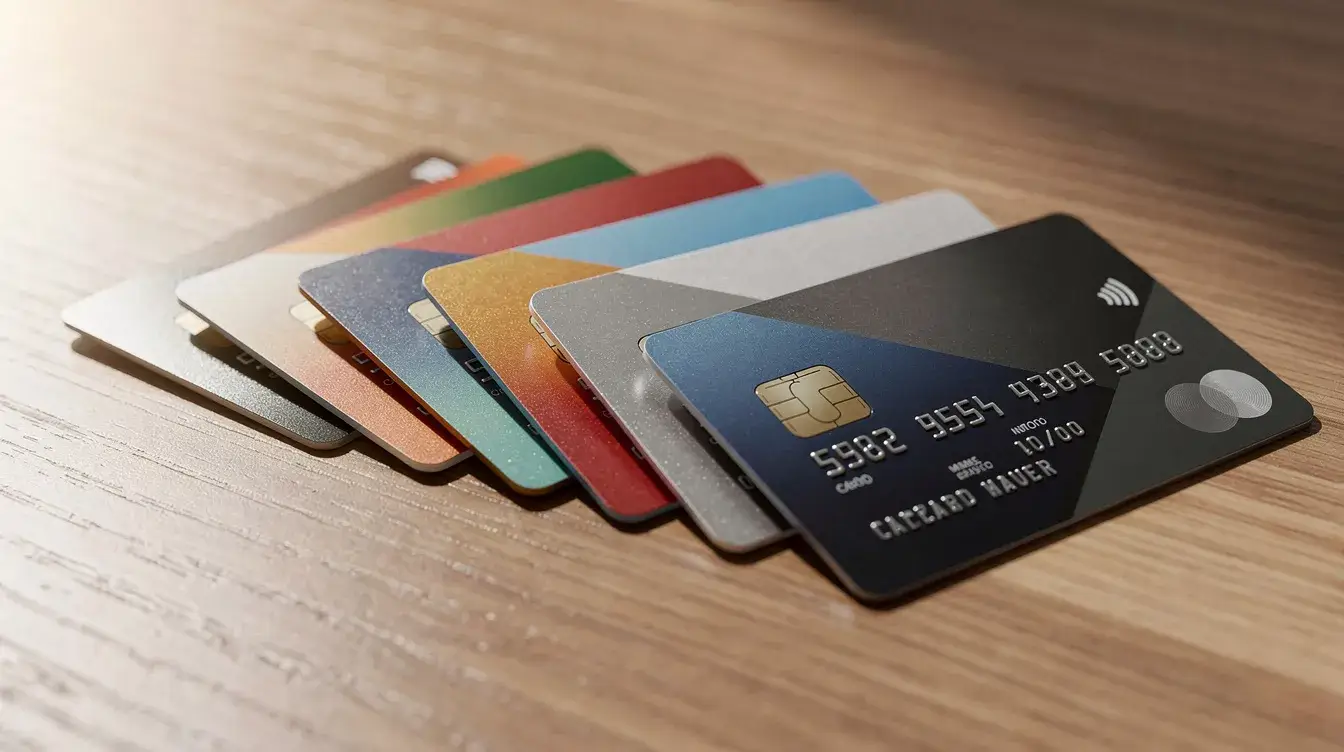
A deal that promises no charges on borrowing sounds straightforward: use the card now, clear it later, and pay nothing extra. In reality, that promise is ring‑fenced. The special rate usually covers only certain types of spending, and only for a fixed time. Once that window shuts, normal charges apply to whatever is left.
Most offers fall into three broad groups:
Each group has rules about when the clock starts and stops, and what happens if anything goes off‑track.
For promotional spending deals, charges normally start counting from the day you buy something, but the provider agrees not to add them until the promotional window ends. Clear the whole balance before the deadline and those charges never appear. Miss the finish line and the remaining balance starts building costs at the standard rate.
Shifting an existing balance works differently. The meter starts as soon as the transfer lands on the account. The promotional rate usually covers only that transferred amount. Any new purchases can be charged at a higher rate straight away unless they sit under a separate deal. When old and new balances are mixed together, different chunks of the debt may be charged at different rates, which makes it harder to clear the right part first.
Missing even a minimum payment, or going over the agreed limit, can end the special rate early and throw the whole balance onto a much steeper rate. Moving a balance may also mean paying a one‑off fee that is not included in the “zero” promise. Carefully checking dates, limits, and penalties is the only way to know when the free period really begins and ends.
| Type of promotional deal | Main use case | Typical complication |
|---|---|---|
| Special rate on new spending | Spreading the cost of a planned one‑off purchase | Higher standard rate if any balance is left at the end |
| Special rate when shifting old balances | Reducing costs on existing borrowing | One‑off transfer fee and risk of mixing new spending |
| Instalment plan on a specific transaction | Turning a single buy into predictable payments | Limited flexibility if your situation changes |
For a single large purchase such as furniture, tech or travel, a promotional rate on new spending usually fits best. It lets you spread the cost over the agreed period without extra charges, as long as the balance is fully cleared on time.
Key points to weigh up are:
A longer period gives more breathing space, but only helps if you set a monthly repayment that actually clears the balance before the date on the calendar. Treat it like a short‑term loan with a fixed end date.
It is safer to keep everyday spending on a different card or on your bank card. Mixing daily coffees, supermarket runs and a big one‑off buy on the same deal makes it harder to see what you still owe for the original purchase.
The plastic in your wallet can stay cheap for a while, then become costly once the small print starts to matter. Some charges never appear in big type but quietly eat into your budget.
One example is paying in another currency. Many products add a mark‑up every time you pay abroad or buy from an overseas website. The extra cost often appears only later on the statement. Over a trip or a burst of online shopping, those small add‑ons pile up quickly.
Then there are ongoing charges that are not technically interest at all: account maintenance fees, paper statement charges, paid‑for rewards, or inactivity fees if you do not use the card often. Each one looks tiny in isolation, but together they can wipe out the value of any cashback, points or discounts. A product that looks cheap on the headline rate can easily cost more than a simple, no‑frills one once these extras are added.
Travel can introduce even more wrinkles. “Service” charges and optional‑looking extras can appear on hotel bills, bookings and activities, and you still end up paying them on the card even if they were not obvious at the start.
A costly twist is the choice of currency on card machines and cash points abroad. You may be offered the chance to pay in your home currency instead of the local one. It sounds reassuring, but the rate used there is often worse, and extra mark‑ups can sneak in. Letting the payment go through in the local money and allowing the card network to handle conversion is usually the better option.
On top of that, the safety net of a promotional rate is fragile. Miss a payment, pay late, or repeatedly stick to the minimum, and the deal can vanish. The borrowing then flips onto a far higher standard rate, sometimes with extra penalty charges. Because the balance usually builds compound interest, even a modest splurge can drag on for years.
Reading the pricing section carefully before using the card for a trip, a big purchase or regular bills helps you decide whether it is really the right tool.
Using a promotional deal safely is about a clear plan. From day one, decide what the card is for, and what it is not for:
Write down three things: the starting balance, a realistic monthly payment, and the date the special rate ends. Then turn that into a fixed monthly transfer. Take the starting balance, divide it by the number of months in the deal, and round up. Set that as an automatic payment, rather than relying on the minimum shown on the statement.
Treat that payment like a non‑negotiable bill. When the offer ends, the balance should be close to zero or already cleared.
It also helps to cut off extra leaks: cancel unused subscriptions, and avoid linking recurring payments or daily spending to the promotional card. That way, the balance does not creep upwards while you think you are paying it down.
A few basic rules make these offers far safer:
Around three months before the special period ends, check how much is left. Either increase payments to finish on time, or, if that is not realistic, start looking at other options rather than sliding quietly into expensive ongoing borrowing.
To keep those guard rails in mind, it can help to frame your choice by goal rather than by headline rate.
| Your main aim | Safer type of product | Key habit that keeps it cheap |
|---|---|---|
| Paying off older, more expensive borrowing | Deal focused on shifting existing balances | No new spending on that card and fixed monthly repayments |
| Spreading one planned large cost | Deal focused on new spending for a set period | Clear purpose, separate card for everyday purchases |
| Day‑to‑day use with no carried balance | Simple card you clear in full each month | Pay in full every statement and watch for non‑interest fees |
How do I choose the best credit card in the UK for interest‑free borrowing?
Choosing the best credit card in the UK starts with your goal: clearing old debt, spreading a purchase or everyday spending. Compare length of 0 Percent periods, balance transfer fees, post‑promo APR and any annual fees. Then check your eligibility with a soft search so you do not damage your credit score by multiple failed applications.
Are no interest credit cards really completely cost‑free?
No interest credit cards usually mean 0 Percent on certain transactions, but you may still face balance transfer fees, foreign transaction charges or annual fees. Missing a payment can cancel the offer and trigger high interest. Always read the summary box, check fees that apply in practice and set up a direct debit.
What is the safest way to use an interest credit card for a big purchase?
For a planned purchase, pick a card with a long 0 Percent on purchases and no or low fee. Divide the cost by the number of interest months, then pay at least that amount automatically. Avoid using the same credit card for everyday spending so your repayment plan stays clear and the balance reduces predictably.
When is a UK balance transfer credit card better than a new spending deal?
A balance transfer credit card is better when you already owe money on other credit cards at higher rates. You move those balances to a lower or 0 Percent deal, usually paying a one‑off fee, then focus on repaying steadily. Avoid fresh spending on that card, otherwise repayments may clear cheaper debt last.
How do credit cards without interest affect my UK credit score long term?
Used well, interest free credit cards can help your score by building a record of on‑time payments and lowering overall interest costs. Risks arise if you max out limits, apply for several cards quickly or let balances linger after the offer ends. Keeping utilisation low and paying reliably matters more than the rate.