
x
You tap a map app, see dozens of glowing pins, and still feel unsure where to book. The real difference lies beyond distance: qualifications you can check, touch that adapts to your body, a space that feels safe, and oils that respect your skin, breathing and comfort rather than just adding a strong scent.
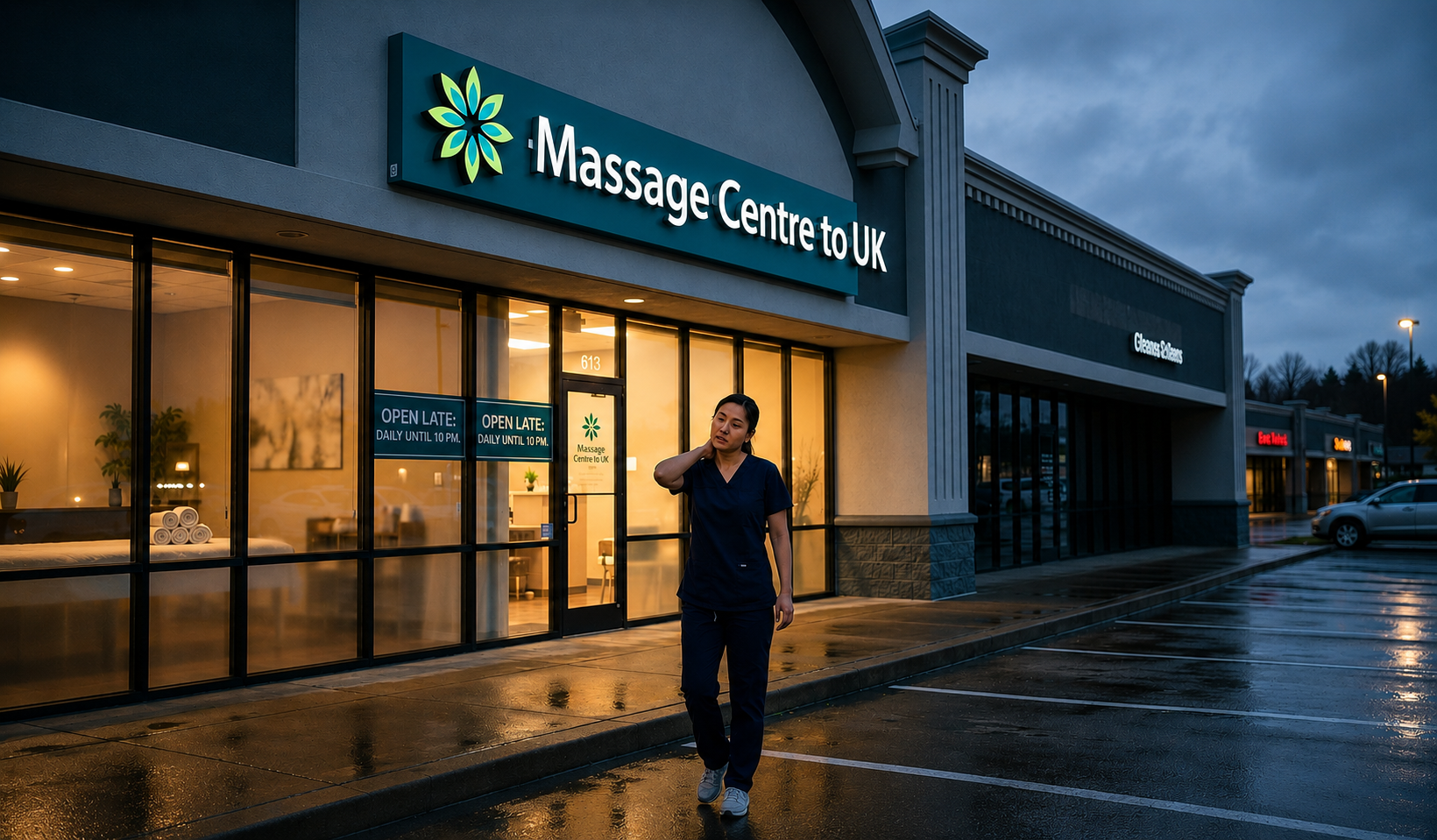
Scrolling through listings, it is easy to assume every place with a high rating will feel roughly the same. Looking a little closer at reviews, photos and claims helps you separate polished marketing from centres that genuinely suit your body and expectations.
Star ratings are a starting point, not a verdict. Longer reviews that mention pain levels, the type of massage, and how the client felt the next day tend to be more useful than a short “Brilliant!” with no detail. A steady stream of three‑ and four‑star comments that explain both positives and niggles can tell you more than one dramatic success story.
Patterns matter. If several people praise the same therapist for easing shoulder tension, or repeatedly mention clean rooms and calm reception staff, that paints a clearer picture. The same goes for concerns: repeated mentions of rushed appointments, confusion over bookings, or noise from other rooms are worth noting.
Reviews focused on specific outcomes – being able to move more easily, sleeping better, or feeling less tense – often come from people who went in with a clear need. Vague praise without examples may be genuine, but gives you less to base a choice on.
Images add another layer. Perfectly staged pictures with candles and neatly rolled towels are standard, but look for of real life too: actual treatment rooms, the waiting area, maybe a glimpse of the massage table and linen. When clients can upload their own photos, check whether these broadly match the centre’s official images. A huge mismatch can be a warning sign.
Centres also rely on short, punchy promises. If a place heavily promotes recovery work, feedback should mention help with stiffness, mobility or post‑exercise soreness. If every advert shouts about “last remaining appointments” but online booking always looks wide open, the urgency may be more about marketing than genuine demand.
When star ratings, written comments, photos and promises line up, that anonymous pin on the map starts to feel more like a specific room, a particular therapist and an atmosphere you can picture yourself in.
Feeling comfortable in a treatment room has as much to do with trust as with soft music and warm towels. A few straightforward checks around licences, routines and behaviour can help you sense whether the hands on your back belong to someone who is both skilled and properly supported by safe systems.
Some warning signal are hard to miss: reluctance to discuss safety, pressure to pay only in cash, exits that are locked during opening hours, a lack of any clear process for raising concerns, or staff who seem worried about being observed. One issue on its own might be explainable, but when several appear together, it is usually kinder to yourself to leave and book elsewhere.
Here a simple comparison can help guide your instincts:
| Situation in the centre | What it may suggest for you |
|---|---|
| Staff welcome questions, explain checks and introduce who will treat you | More likely to feel informed, respected and able to relax |
| Safety matters brushed aside as “not important” | Harder to trust what happens once the door is closed |
| Clear route for feedback or complaints is visible | Better chance of problems being handled fairly |
| Confusing payment rules and locked doors | Added stress and less sense of control over your visit |
The first thing many people notice when they walk into a treatment space is the aroma. For your body, the more important element is the oil sitting on the trolley: the plain base that touches your skin for most of the session, sometimes with concentrated essences mixed in.
For a lot of bodies, the safest choice is a simple carrier oil or lotion with a short ingredient list. Lightweight options that spread easily without leaving a heavy film suit many people with normal or combination skin and work well over large areas like the back. Richer products can feel comforting on very dry or mature skin, though they may seem a bit heavy if applied too generously.
If your skin is easily upset, wording such as “for sensitive skin” or “hypoallergenic” can be a useful signal, though not a guarantee. Strong colours and very intense perfumes are more likely to irritate, especially over a long session when the product sits on warm skin. In a professional setting, practitioners often choose one or two core oils that most people tolerate well, keeping more fragranced blends as optional extras.
Most of the scent comes from concentrated plant extracts added to the base oil in very small amounts. A gentle, almost background aroma is often deliberate, balancing pleasant smell with skin comfort and the fact that you will be breathing in that scent for a while.
Anyone with eczema, asthma, hay fever or a history of unexplained rashes has good reason to be cautious. Before committing to a full body session with a new blend, you can ask for a simple patch check: a tiny amount applied to the inner arm, left for a while to see whether any stinging, redness or itching appears later.
If you know you react to nuts, strong perfumes or particular plants, mention this clearly when you book or during the consultation. Ask for an unscented or very mildly scented product, and do not be shy about repeating yourself if different bottles appear during the treatment.
A good massage should leave you feeling looser and lighter, not dealing with an itchy back or tight chest on the journey home.
The quality of your experience is shaped not only by the centre’s set‑up and products, but also by how you communicate before, during and after your time on the table. Small conversations can make the difference between a standard appointment and one that truly fits your needs.
When your session finishes, take a few moments before sitting or standing. Feeling warm, heavy, slightly floaty or unexpectedly emotional is common as your body and nervous system adjust. Sipping some water and moving gently rather than launching straight into intense activity can help your muscles and joints settle.
Notice how you feel later that day and the next: pain levels, movement, mood and sleep. If particular techniques or pressure levels felt especially helpful, mention them when you book again or in a follow‑up message. Over time, this kind of feedback helps your regular therapist fine‑tune each appointment so that it becomes more tailored to your body rather than a standard routine.
You can also reflect briefly on how the centre as a whole made you feel:
| Aspect of the visit | Question to ask yourself afterwards |
|---|---|
| Communication | Did I feel listened to and able to speak up at all stages? |
| Environment | Did the space feel clean, calm and respectful of my privacy? |
| Body response | Tension or mood shift in the way I had hoped? |
| Trust | Would I feel comfortable recommending this place to a friend? |
How can I choose the best “Massage Near Me” rather than just the closest one?
When searching “Massage Near Me”, go beyond distance and star ratings by checking whether the clinic lists specific massage therapy styles, therapist biographies, and clear pricing. Look for evidence of professional registration, insurance, and consistent client feedback about outcomes such as pain relief, mobility or sleep, not just vague comments about relaxation.
What should I look for in a professional Massage Therapist in the UK?
A good Massage Therapist should hold recognised UK qualifications, ideally be registered with a professional body, and take a structured consultation before touching you. They should ask about health conditions, medications, injuries and preferences, explain what they plan to do, obtain consent and adapt pressure or technique quickly in response to your feedback during the session.
How do I safely use or request Massage Oil if I have sensitive skin or allergies?
If you have sensitive skin, asthma or allergies, ask what Massage Oil base and fragrances are used and request a patch test on a small area first. In a reputable The Massage Centre or similar clinic, staff should happily provide unscented or hypoallergenic options, record your reactions and avoid nut or strong essential oils that might trigger breathing or skin issues.
What makes a Near Massage Centre feel genuinely safe and professional?
A trustworthy Near Massage Centre displays clear contact details, policies and pricing, uses proper draping for privacy, and explains how rooms and equipment are cleaned. You should see calm, organised reception, transparent payment methods and an obvious complaints or feedback route, all of which signal a structured, well‑managed environment rather than an improvised cash‑only operation.
How can The Massage Centre or any clinic help me get more from regular Massage Therapy?
A good The Massage Centre will encourage you to book follow‑ups at intervals that match your lifestyle , not just sell long packages. They will track changes in pain, posture, sleep or training load, adjust techniques and Massage Oil accordingly, and coordinate with other healthcare providers when necessary so your massage therapy supports a broader, long‑term wellbeing plan.