
x
If you’re aiming for forklift operator jobs, you need the right certificates, up‑to‑date refresher training and a smart online job search. This guide helps you choose accredited local courses, compare refresher and conversion costs, and target permanent counterbalance and reach‑truck roles nearby.
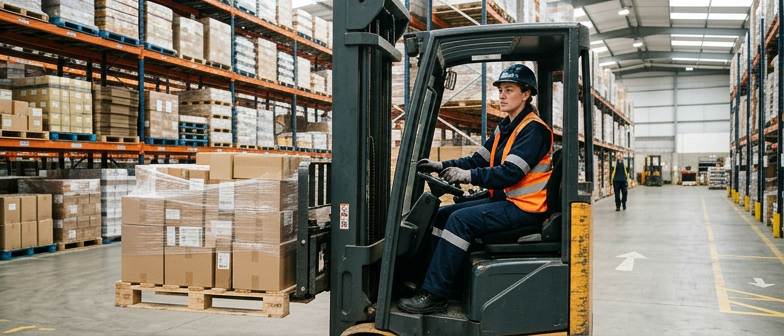
Forklift operator jobs focus on safely moving, stacking and loading goods in warehouses, factories, retail distribution centres and ports. On a typical shift you start with a handover, carry out safety checks on your truck, then transport pallets between racking, loading bays and storage areas. Many permanent forklift driver vacancies also include basic paperwork or using a handheld scanner to update stock systems, as well as working with supervisors and warehouse teams to keep deliveries on schedule while following site traffic rules and keeping walkways clear.
Different roles can involve different trucks, so reach and counterbalance forklift jobs cover slightly different tasks. Counterbalance roles near where you live often involve loading and unloading lorries, moving heavier pallets at ground level and working indoors and outdoors. Jobs that use reach trucks usually focus on narrow aisles and lifting pallets to higher racking, which needs precise control and good visibility. In many workplaces you may switch between trucks if you hold the right certificates, so flexibility, shift work and the ability to concentrate for long periods are important parts of the job.
Most people going into forklift operator jobs start with an accredited novice course, usually on a counterbalance truck, as this is the most common type in warehouses and yards. When you look for accredited forklift training near you, choose a provider whose scheme is recognised by bodies approved by the Health and Safety Executive, because employers want proof that your basic skills and safety awareness meet national standards. A typical starter course covers pre-use checks, safe manoeuvring, stacking and de-stacking, plus your legal responsibilities, and successful trainees receive a certificate that many hiring managers treat as the minimum requirement for operating any powered industrial truck on site.
Once you decide to train, the next step is working out how to book forklift training around work and personal commitments. Many centres let you reserve a place online or by phone, but you should still check class size, instructor credentials and whether the qualification is accepted by the employers you plan to approach. If you aim to operate reach trucks in high-bay racking, you may need to book reach truck training as an extra course on top of your basic counterbalance qualification, so you can show competence on the exact type of equipment used in modern logistics operations.
For experienced operators, recognised refresher and conversion routes are as important as the initial course. If you have been off the trucks for a while, or your employer wants evidence that your skills are current, you might search for a local forklift refresher course or a one-day update that focuses on correcting bad habits and revisiting theory. Drivers moving between truck types, such as from counterbalance to reach or the other way round, normally complete shorter conversion training that builds on existing knowledge. Choosing accredited refresher and conversion options reassures employers and regulators that your qualification is current, your operating techniques are safe and you take your professional development seriously.
| Training route | Best suited for | Main focus | Typical time commitment | Impact on job prospects |
|---|---|---|---|---|
| Novice counterbalance course | New drivers with no experience | Core skills, safety basics, legal duties | Longer, multi-day block | High, often seen as entry requirement |
| Reach truck add-on course | Drivers with counterbalance certificate | High-bay work, precise load handling | Shorter, focused sessions | Medium to high in modern warehouses |
| Refresher course | Experienced drivers needing an update | Correcting bad habits, latest guidance | Very short, often single day | Medium, keeps existing roles secure |
| Conversion training | Drivers changing truck type | Transferring skills between truck models | Short modular training | Medium, broadens roles you can apply for |
| Accredited local course | Anyone aiming for recognised proof | Meeting approved scheme standards | Varies with course type | Higher, preferred by many employers |
For many Forklift Operator Jobs, employers expect proof that your skills and safety knowledge are current, which is where a one day forklift refresher course is useful. Short refresher training helps experienced drivers show they still understand safe manoeuvring, load handling and current guidance, and it can be timed to minimise disruption at work. Companies weigh counterbalance refresher training cost against the potential risk of incidents, damage or lost productivity if operators allow their standards to slip.
If you want to move from one truck type to another, such as switching from counterbalance to reach, you will usually need a recognised conversion course before applying for new roles. When providers decide on forklift conversion training cost, they consider how many truck categories are covered, the practice time needed on new controls and any extra theory to bridge the gap between machines. Completing the right conversion training can open up more vacancies, especially where employers run mixed fleets on site.
When you search for accredited forklift training near you, focus on centres recognised by established industry bodies and compliant with health and safety guidance. Reputable providers clearly state which organisations accredit their courses and whether their certificates are accepted by employers offering forklift operator jobs. Check if they run both initial licences and a local forklift refresher course, and whether they include specialist reach truck and counterbalance training so you can match your learning to the equipment used where you want to work.
Once you have a shortlist of recognised providers, the next step is working out how to book forklift training smoothly. Most centres let you enquire or reserve online and will confirm content, duration, costs and any entry requirements before you pay. Ask about dates that fit shift patterns, what ID or evidence of experience you must bring, and whether they can combine a one day refresher with more advanced modules. If you plan to operate reach trucks, look specifically for the option to book reach truck training, and keep copies of booking confirmations and certificates to support future job applications.
If you are aiming for forklift operator jobs, first decide what you need the certificate for, as this shapes how to book forklift training. Check job adverts to see which truck types are listed and whether they want recent certificates or a one day forklift refresher course, then choose training that matches those requirements.
Then research accredited providers and read the course outline before you book reach truck training, counterbalance, or any other option. Confirm what the price covers, including theory, practical assessment, certification, and any refresher element, and check whether it is a short update or a full novice course. Once you are happy, make your booking, keep the confirmation, and ask what ID, safety footwear, and previous certificates you must bring.
When you apply for forklift jobs online, pick a few large job boards and local logistics agencies and search for terms such as forklift driver, counterbalance forklift jobs near me or reach and counterbalance forklift jobs. Then filter by location, shift pattern and pay. Set up email alerts so you hear quickly about new permanent forklift driver vacancies and shorter contracts, giving you a better chance of applying before the role closes.
Before uploading your CV, match it carefully to the vacancy. Highlight your licences, accredited training provider, truck types you have operated and any health and safety duties. If you have recently completed a refresher or conversion course, include the date and accrediting body, and mention key tasks such as loading vehicles, working in racking and carrying out pre‑use checks. For shift-based warehouse roles, also show that you are reliable, comfortable with basic numeracy and able to follow written instructions.
When you see adverts for forklift jobs with training provided, read the details to see whether they offer full beginner training or expect previous warehouse experience. Online forms may ask which trucks you prefer, so state clearly if you are confident on counterbalance, reach, or both, and upload certificates if requested. Follow the instructions for submitting your application, keep a simple record of where you have applied, and respond quickly to calls or emails inviting you to interviews or assessments.
What does a typical shift in a forklift operator job involve?
You start with a handover and pre‑use checks, then move, stack and load pallets between racking, loading bays and storage areas, updating stock on paper or scanners while following site safety and traffic rules.
How can I find accredited forklift training near me?
Search for local centres accredited by an HSE‑recognised body, read reviews, confirm they offer novice and refresher courses, and check their certificates are accepted by employers nearby.
What is covered on a one‑day forklift refresher course and why do employers like it?
It quickly revisits safety checks, manoeuvring and load handling, updates you on guidance, and reassures employers your skills are current, usually at lower cost than a full course.
How do I book suitable forklift training and compare conversion costs?
Check job ads to see which trucks are required, then contact providers to compare prices for novice, refresher and conversion training, choosing the course that fits truck type, certificate length and budget.
How can I apply online for reach and counterbalance forklift jobs near me?
Use major job boards and agencies, search for counterbalance, reach truck or permanent forklift driver vacancies, filter by distance and shifts, upload a clear CV and set email alerts.