
x
A shaky history with money doesn’t have to keep you off the road. Across the UK, specialist lenders and brokers now look beyond past mistakes, focusing on what you can afford today. That shift is opening doors to everyday cars, modest deposits, and genuinely manageable monthly commitments.
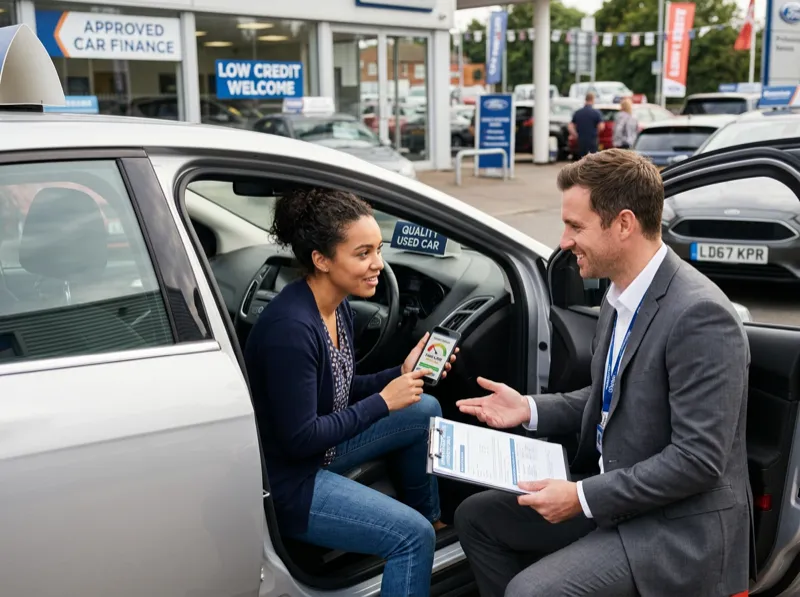
Affordability is not just a low headline payment splashed on a windscreen. It is about what you can comfortably pay on an average month once rent, bills, food, childcare and existing debts are covered. That means starting from your real life, not from the car you have your heart set on. Many drivers glance only at the monthly figure and ignore fuel, insurance, tax, servicing and the odd repair, then wonder why things feel tight. A more realistic approach is to set a total travel budget first, then see what kind of car and finance can fit safely inside it.
A shaky file rarely means an automatic “no”, but it does change how offers are shaped. Lenders worry about risk, so they may respond with higher rates, lower maximum advances or a preference for modest used cars over pricey nearly‑new models. Long terms with tiny payments might be offered, but the total interest can become heavy. This is why chasing the smallest monthly figure at all costs often backfires. For many UK drivers, a shorter agreement on a cheaper car, with payments that sit comfortably below their real limit, turns out calmer and cheaper overall.
Low or zero upfront options sound perfect when savings are thin. Instead of waiting months to build a lump sum, you spread almost everything across the term. Behind the scenes, though, the full price of the car plus interest is still being repaid. Without a cushion at the start, lenders usually respond by nudging the interest rate, limiting how much you can borrow, or stretching the length of the deal. That keeps the monthly figure looking friendly, but the total you hand over across the years can rise sharply, especially with weaker credit.
| Choice point | What usually improves | What often gets worse or tighter |
|---|---|---|
| Bigger upfront payment | Approval odds, total interest | Flexibility with savings and cash |
| Smaller or zero upfront | Cash in hand, speed of getting car | Interest costs, choice of vehicles |
| Shorter term | Overall cost, time in debt | Monthly figure |
| Longer term | Monthly figure, car choice | Overall cost, time tied into contract |
Even with a bruised record, there are times when keeping cash back is the safer call. If losing your emergency fund would leave you unable to cope with a broken boiler, missed wages or a rent rise, locking every spare pound into a vehicle is risky. In that situation, a carefully chosen modest car, paired with a lean no‑or‑low upfront deal, can be a sensible compromise. The key is brutal honesty about the monthly sum: if it only just fits on a perfect month, it is probably too high. Slightly downgrading the car or shortening the term is often kinder than living right on the edge.
Used cars are where many UK drivers with patchy credit find their best balance. Older vehicles cost less to buy, which means lower borrowing and often easier acceptance. Go too old or too high on mileage, though, and repairs, breakdowns and thirstier engines can wipe out any saving. The sweet spot often sits with common models a few years into their life, serviced regularly, with moderate mileage and smaller engines. These tend to sit in friendlier insurance groups, use less fuel around town and sit in more forgiving tax bands.
Lenders are often happiest with simple, widely known models that hold their value reasonably and are easy to resell. That usually means modest hatchbacks, compact family cars and small crossovers from familiar badges, rather than large estates or powerful performance cars. Picking from these sensible corners of the market can unlock more flexible offers, especially where no upfront payment is involved. From your side, a humbler choice can leave spare cash each month for tyres, servicing and the occasional advisory from an MOT, keeping the whole package less stressful.
| Type of everyday car | Typical upsides for tight budgets | Typical trade‑offs to expect |
|---|---|---|
| Small city / supermini | Lower fuel use, lower insurance, easier parking | Less space, may feel basic at motorway speeds |
| Compact family hatchback | Good balance of space and costs | Not as roomy as large estates or SUVs |
| Older large vehicles | Cheaper sticker price, more kit | Higher fuel, tax, repairs and tyre expenses |
With a straightforward hire‑style purchase, the full price plus interest is split across the term. Payments are higher than on a plan with a big final sum, but there is no balloon looming at the end. Once the last instalment leaves your account, the car is fully yours and can carry on serving you with no further finance. For many people with damaged files, lenders find this structure easier to price, particularly on affordable used cars. It can mean clearer approval decisions and a simpler mental picture: pay each month, then enjoy a period of motoring without a finance bill.
Plans that keep a large chunk of value for the end can look tempting because the monthly bill is smaller. That can open the door to newer cars with better safety kit, cleaner engines and warranty cover, all helpful when surprise repairs would be hard to afford. The catch is that you are effectively renting most of the car’s value. You must watch mileage limits and condition, and you eventually face a choice: find the final sum, hand the keys back, or roll into another agreement. Anyone who struggles to save or expects frequent job changes needs to think carefully about that end‑of‑term moment.
The aim is not just to get accepted; it is to live with the deal calmly. A plan that looks fine on day one can become a source of dread if every direct debit day feels like walking a tightrope. A useful rule is to set your personal limit, then aim comfortably below it. Factor in fuel, insurance, tax, parking, tolls and a realistic amount for upkeep. If that leaves no space for birthdays, school shoes or the odd takeaway, the car is too ambitious. Choosing something plainer and cheaper can protect your sleep, your relationships and your credit file.
Handled well, a modest agreement can be a tool for rebuilding. Regular, on‑time payments help gradually repair a damaged record, which can make future borrowing cheaper and less stressful. That makes it worth guarding the agreement carefully: setting up direct debits, checking statements, calling early if income dips and resisting the urge to take on extra short‑term credit. Framing the vehicle as a stepping stone helps too. It is not your dream machine; it is the reliable workhorse that keeps you moving while your money picture gets stronger and your next set of options slowly improves.
How does Bad Credit Car Finance work in the UK and what should I watch out for?
Bad credit car finance uses your income stability and affordability more than your credit score. Expect higher APR, possible guarantor checks, and stricter income proof; always compare total repayable, not just monthly price.
Is Car Finance No Deposit a good idea if I have poor credit?
No‑deposit deals help if you lack savings but usually mean higher monthly payments and stricter affordability checks. They’re fine if you budget carefully and choose fixed rates with no early repayment penalties.
What should I check before taking Used Car Finance or Cars Under £200 Per Month offers?
Check vehicle age, mileage limits, warranty, and how long payments last under £200. Ensure an independent history check, realistic annual mileage, and that the finance term doesn’t exceed the car’s useful life.
How do PCP Deals UK differ from traditional Hire Purchase for someone with bad credit?
PCP has lower monthly payments and a large optional final balloon, while HP spreads the full cost evenly. With bad credit, HP is often easier to obtain and builds equity faster, but PCP offers more flexibility to swap cars.
Can I improve my chances of Car Loans Bad Credit UK approval without a guarantor?
Yes, by registering on the electoral roll, reducing existing debt, avoiding payday loans, providing stable address/employment history and larger affordability evidence, and using soft‑search brokers who work with specialist lenders.