
x
Many people in their sixties seek modern dental solutions to restore confidence and comfort but often struggle with the complexity of treatment options. Balancing public and private care, along with concerns about cost and maintenance, makes finding a secure, budget-friendly solution crucial for a stress-free experience.
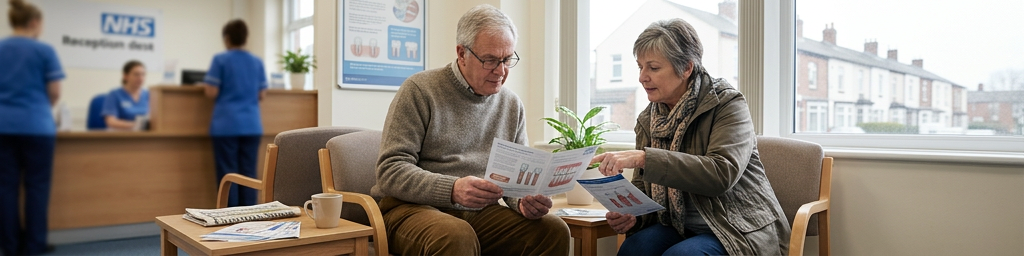
Thinking about implants later in life can be confusing, especially when you hear that NHS options are limited. The key thing to know is that it is not really about your birthday, but about your mouth, jawbone, and general oral health.
There is no upper age rule for implants, so turning 60 does not automatically rule you out. What matters is whether your jawbone can safely hold an implant and whether your gums are healthy enough to heal. Many people notice bone thinning after losing teeth, because the jaw is no longer being stimulated by tooth roots.
A bone graft or other supportive procedure may sometimes be suggested if tests show the jaw has shrunk or weakened in the area where the implant is planned. Your dentist or implant specialist will usually assess this with X‑rays or 3D scans, along with a close look at your gums and any remaining teeth.
| Consideration when over 60 | How it may influence implant planning |
|---|---|
| Overall medical history | Conditions such as diabetes, heart disease or osteoporosis may mean your dentist coordinates care with your GP or consultant before proceeding. |
| Current medicines | Blood thinners, bone‑strengthening drugs and some immune‑related medicines may affect healing and could lead to adjusted timing or technique. |
| Gum and mouth cleanliness | A history of good oral hygiene and regular check‑ups can give the team more confidence that you can look after an implant long term. |
| Dexterity and self‑care | If arthritis or other mobility issues make brushing difficult, extra cleaning aids or support may be built into your care plan. |
| Expectations and priorities | Whether you mainly want better chewing, clearer speech or appearance will shape where implants are placed and what type of restoration is used. |
NHS implant criteria are tight, usually focusing on people whose daily life or ability to eat is seriously affected. Over 60, you are more likely to be considered if several teeth are missing, dentures are failing, or other options have not worked. You still need stable general health, controlled gum problems, and a good chance of keeping the implant clean. Being able to follow aftercare and attend check‑ups is just as important as the surgery itself.
When you start thinking about dental implants in your sixties or later, the biggest headache is often not the implant itself, but how to actually access treatment. NHS or private, who is eligible, how long you wait, and what you might pay can all feel pretty foggy.
For those over 60, NHS implants are typically only approved for strict clinical needs rather than cosmetic reasons. Costs follow standard NHS bands unless you qualify for benefits like Pension Credit. However, eligibility criteria remain vague, and there are no official figures on funding approval or waiting times.
Private dental care offers a more straightforward experience with quicker access, longer consultations, and faster treatment plans. However, costs vary widely with no national fee scale, and there is no financial safety net without insurance. Ultimately, the main trade-off is gaining predictable, timely access in exchange for a significant personal financial commitment.
| Route to implants | Typical experience for someone over 60 |
|---|---|
| NHS pathway | Often starts with discussion of non‑implant options; implants only explored if there is a strong functional or medical reason and local services exist. |
| Private clinic | Implant consultation can usually be booked directly; more time is often available to discuss preferences, questions and different treatment stages. |
| Mixed NHS–private approach | Some people choose NHS care for general check‑ups and hygiene while seeing a private clinic only for the implant stage. |
| Travel considerations | Over‑60s may weigh up longer journeys to specialist centres against the convenience of a nearer practice with fewer implant services. |
| Follow‑up and maintenance | Both routes expect regular reviews; private practices may offer more flexible appointment times, while NHS reviews are usually tied to broader dental care. |
Losing teeth later in life can knock your confidence, and being told implants are not available on the NHS often feels like a dead end. In reality there are a few routes to spread costs, get help with NHS charges, and choose alternatives that still let you eat and smile comfortably.
NHS implants are usually only offered where there is a clear medical need, so many people are steered towards private treatment. Even then, some tooth replacement costs on the NHS are capped, which can make a real difference for older adults on tight budgets.
So even without implants, repaired or remade dentures and bridges can stay relatively affordable compared with full‑price private options.
If implants are only available privately, it is worth checking whether you qualify for help with general NHS dental costs first, then looking at payment plans and insurance for anything extra. Some people in later life are surprised to find they qualify for full or partial help.
Alongside this, many dental practices offer monthly plans, and some insurers include a set cash allowance towards implants, bridges or dentures, which can soften the blow if NHS funding is not an option.
Having a dental implant fitted can feel like a big day, especially if it is your first time or you are over 60. A bit of planning at home, plus knowing what to expect afterwards, can make the whole experience calmer and more comfortable.
In the days leading up to treatment, follow your dental team’s advice about eating, drinking and regular medicines, especially if sedation is planned. It helps to wear comfy clothing, arrange transport home, and clear your diary so you are not rushing around. At home, get soft foods ready, such as yoghurt, soup and mashed vegetables, and make sure pain relief you are allowed to take is available. If you use dentures, ask whether they need to be left out. A simple checklist on the fridge can keep everything in one place and reduce last‑minute stress.
After the implant is placed, resting with your head slightly raised and using a cool pack wrapped in a cloth can ease swelling. Stick to soft foods, avoid very hot drinks at first, and keep the area as clean as your dentist recommends without vigorous rinsing. If you are over 60, give a bit more attention to healing: take medicines exactly as prescribed, keep an eye on any long‑term conditions, and contact the practice promptly if pain worsens, the area looks very red, or you feel unwell. Having a friend or family member check in on you can be reassuring while you get your confidence back eating and speaking.
Q1: What are the key NHS eligibility criteria for dental implants if you are over 60?
A1: The NHS looks at clinical need, not age. You usually need multiple missing teeth, difficulty eating, healthy gums, enough jawbone, and a good chance of keeping the implant clean.
Q2: What happens during an NHS dental consultation and assessment for implants?
A2: Your dentist checks if implants are clinically necessary or if dentures or bridges would work. They assess your oral health, general health and ability to manage aftercare before considering referral.
Q3: How do NHS wait times and referral pathways for implants compare with going private?
A3: On the NHS, criteria and waiting times are unclear and vary locally. Privately, you usually book directly, get a detailed plan quickly, and often wait less for assessment and surgery.
Q4: What financial options exist if implants are not covered by the NHS?
A4: You may get help with NHS charges through Pension Credit or the Low Income Scheme. Privately, many practices offer monthly payment plans, and some insurance policies contribute towards implants or dentures.
Q5: How should over‑60s prepare for dental implant surgery and recovery at home?
A5: Follow advice on medicines and food, arrange transport, stock soft foods, and have pain relief ready. Afterwards, rest, use cool packs, eat soft foods, monitor healing, and seek help if pain or redness worsens.
https://www.webmd.com/healthy-aging/dental-implants-for-seniors/
https://kmbdds.com/can-seniors-get-dental-implants/
https://www.clearchoice.com/affordable-dental-implants-seniors/