
x
You can scroll through pages of local search results and glowing star ratings and still feel unsure who should reshape your smile. Beyond catchy ads and polished websites, the real difference lies in proven training, modern technology, photographed results, and a consultation that treats you as a long‑term partner, not a quick sale.
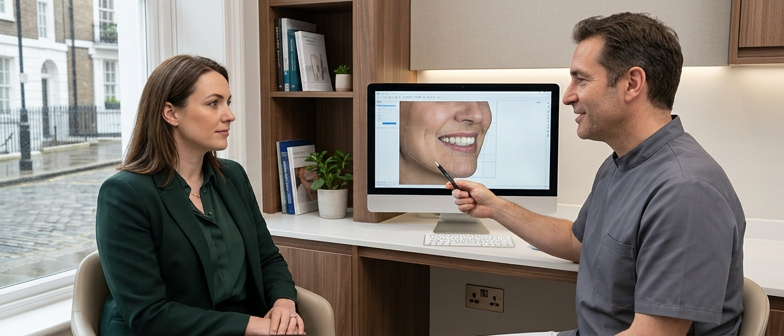
Searching for cosmetic help usually throws up a long list of clinics, sponsored listings and map pins. Instead of clicking at random, it helps to run a quick mental filter so you only spend time on realistic options.
Start with the practicalities. Look at distance and transport: are they easy for you to reach from home or work? Somewhere on a main route or with straightforward parking is usually simpler than a spot that leaves you stressed before you even sit in the chair. Then check what type of practice it is. Some clinics are heavily focused on appearance‑based treatment, others combine this with routine check‑ups and general care. Think about whether you want a place for a full makeover, or somewhere that can also handle ongoing maintenance.
Online first impressions give you another quick filter. Clear explanations of treatments, step‑by‑step descriptions and visible examples of real work are more helpful than vague promises and stock photos. If a site barely explains what they do, it can quietly drop off your list. After this first pass, you may be down from dozens of names to a smaller group that feel realistic enough to explore in more detail.
Once you have a mini‑list, look for stronger quality clues. Experience and training are key: does someone at the practice clearly focus on appearance‑based work, with extra accreditation or advanced courses? A team that describes how they plan treatment, rather than just how white they can make teeth, is usually thinking about bite, gum health and long‑term durability.
Next, scan the range of options. Whitening only is fine for a quick freshen‑up, but a menu that includes veneers, bonding, aligners and implants suggests they can tailor a fuller plan rather than pushing one solution on everyone.
Reputation needs more than a star rating. Read comments for patterns in communication, comfort and outcomes. Do people mention feeling listened to? Are they happy with how any problems were handled? Look for transparent fees, with separate cosmetic pricing and clear explanations; that kind of structure usually means they are used to planning larger, elective treatments.
By this stage you are often left with a handful of genuine contenders, ready for a short call or visit.
Glossy images can be tempting, but they do not tell you who is likely to look after you well over time. Training and philosophy sit behind every result, whether subtle or dramatic.
Judging everything by the prettiest selfie can hide important differences. A more reliable guide is how a dentist talks about their background. Look for clear explanations of qualifications, extra cosmetic courses and named training providers or academies. Specialist‑led teams often describe how they plan treatments in stages, how they protect tooth structure and how they balance appearance with function.
The way they speak about style is another clue. Some openly state they avoid an artificial, oversized look and prefer natural, balanced results. When a clinician regularly uses words like “tailored”, “comfortable” and “long‑lasting”, it usually shows they are thinking beyond a single photoshoot to how your new smile will age and feel.
Modern gadgets sound impressive, but what matters is how they are used. Digital scanners, photos and design software should help you see a preview, discuss different routes and tweak things before anything permanent is done.
Case photos can help you judge whether their style fits you, as long as you look at them critically. Real cases tend to show full faces as well as close‑ups, a variety of angles and a mix of small tweaks and bigger changes. You might see gums as well as teeth, and a range of ages and starting points. If every smile looks identical, or every image appears heavily filtered, it becomes hard to know what is genuine.
A useful way to compare clinics is to think about how they combine training, tools and examples:
| Aspect to compare | What a reassuring clinic often shows | What may deserve a second look |
|---|---|---|
| Training and background | Named courses, specific additional skills, clear areas of focus | Vague claims, no detail on who trained them |
| Use of technology | Tools explained as part of planning and communication | Tech listed like a gadget showroom, no real context |
| Before‑and‑after photos | Mixed cases, different ages, close‑ups and full faces | Identical smiles, heavy filters, no description |
| Treatment philosophy | Emphasis on health, function and realistic outcomes | Only talks about bright white shade and quick fixes |
The goal is to find a nearby team whose photos, words and treatment philosophy all point in the same direction: believable, healthy smiles that still look like you.
Appearance‑based dentistry is often planned over several visits and involves a noticeable spend, so it pays to go in with clear questions rather than just asking for a headline figure.
Price guides on websites can be helpful, but real costs depend heavily on your mouth, your goals and how many steps are needed. Instead of asking only “how much is it?”, try to break it down.
Ask what is included in any quote and what would count as extra. Are review visits, temporary work or repairs part of the plan? Is there a more conservative option that could still give a result you would be happy with? Sometimes a smaller, staged change can work better than one big leap.
The payment structure matters as well. Some places may be able to spread fees over several visits, others might provide tailored finance routes. A clear written plan with itemised prices, stages and cancellation terms usually feels more reassuring than a quick verbal estimate.
Time is the other big piece of the puzzle. Ask how many visits are likely, how long each one takes, and what happens if you are not fully happy and need adjustments. Treatments such as veneers, whitening and minor tooth movement can involve assessments, preparation, fitting and review appointments, so a clinic you can reach easily for tweaks is often more practical than a distant “destination” practice.
Alongside practicalities, keep an eye out for warning signs. Be cautious if you feel pushed towards one “signature” style, or if your questions about risks, alternatives or maintenance are brushed off. Pressure to decide immediately, discounts that only apply “today”, unclear qualifications or a refusal to provide a written outline of care are all common red flags.
A dentist who encourages you to take time, compare options and come back with more questions usually has a more partnership‑based approach. Your own comfort level with how money and time are discussed is just as important as the figure itself.
To help you weigh different choices, it can help to think about which approach fits your personality and priorities:
| Patient priority | More suitable clinic style | Possible compromise to consider |
|---|---|---|
| Wants maximum control | Detailed written plans, long consultations, lots of previews | Fewer options but very clear explanations at each step |
| Needs flexibility | Staged treatment, adaptable timelines, varied payment options | Slightly longer overall process for more adaptability |
| Prefers quick change | Clinic used to compact schedules and focused makeovers | Accepting less time to reflect between stages |
The first appointment is less about committing to a full makeover and more about sensing whether this is a team you could trust over the long term.
Start by noticing how easy it was to book and how you are greeted. A friendly welcome, clear directions and minimal confusion at reception can hint at how they will handle complex treatment plans later. The space does not need to feel like a luxury spa, but it should be clean and organised.
Pay attention to how the team speak to each other in front of you. Do they seem rushed and tense, or calm and coordinated? When the dentist meets you, do they make eye contact, learn your name and ask about your concerns in your own words? That early conversation shows whether they see you as a person with a story, or simply as a set of teeth.
Waiting times, how they handle any delays, and whether you feel comfortable asking small questions at reception all add to the overall picture.
During the consultation, you will usually be asked what you like and dislike about your smile, how you feel in photos and what kind of changes you hope for. Notice whether they listen without interrupting and reflect your words back to you. When they outline options, are they explained in plain language, including likely costs, risks and timelines, or is the focus only on promises of “perfect” results?
Aesthetic style needs to match your taste. Some practices lean towards very natural changes, others towards bright and bold looks. Photos, digital previews or example cases give you a sense of where they sit on that spectrum. Pay attention to whether they check in with you about what you find attractive, or simply assume.
Before you leave, it is reasonable to expect a rough outline of what might be involved, an idea of next steps and a clear invitation to ask more questions. If you walk out feeling heard, informed and under no pressure to rush into anything, that first visit has done its job and you have likely found a team who could become a long‑term partner in looking after your smile.
How can I tell if a “Cosmetic Dentist Near Me” is genuinely experienced rather than just good at marketing?
Check for a track record beyond glossy adverts: years focusing on cosmetic dentistry, membership of recognised UK academies, regular postgraduate courses, and a portfolio of varied smile makeovers. Consistent, detailed Cosmetic Dentist Reviews that mention problem‑solving, aftercare and natural‑looking results are more reliable than star ratings alone.
What should I look for when choosing the Best Cosmetic Dentist Near Me for a full smile makeover?
For a comprehensive Smile Makeover Near Me, prioritise a dentist who offers staged planning, multiple treatment options and clear explanations of pros, cons and maintenance. Top Rated Cosmetic Dentists tend to provide written plans, realistic timelines, transparent fees and preview tools, while openly discussing limitations instead of promising “perfect” Hollywood smiles.
Are online Cosmetic Dentist Reviews in the UK really useful when comparing clinics?
Reviews are useful if you read them for patterns rather than perfection. Look for repeated comments about communication, comfort and how issues were handled. A strong Cosmetic Dental Clinic Near Me will usually respond politely to criticism, explain improvements and show consistency across Google, NHS, Facebook and independent platforms.
How does a Smile Makeover Dentist decide which cosmetic treatments are suitable for me?
A good Smile Makeover Dentist will examine your bite, gums and tooth structure before talking about whitening, bonding, veneers or aligners. They should ask about your lifestyle, budget and tolerance for gradual change, then build a Cosmetic Dentistry Near Me plan that preserves healthy tooth tissue and fits your long‑term goals.
What practical factors matter when picking a Cosmetic Dental Clinic Near Me in the UK?
Location, transport links and opening hours affect how easy it is to attend multiple visits, especially for complex smile makeovers. Check whether the clinic offers 0% or low‑interest finance, itemised quotes and emergency support. A nearby Top Rated Cosmetic Dentist with flexible appointments can make follow‑ups and adjustments far less stressful.