
x
Looking at used cars for sale can be confusing, with choices ranging from cheap runarounds to nearly‑new approved models. This guide helps you weigh reliability, price bands, local listings and finance options so you can judge overall value rather than focusing only on low monthly payments.
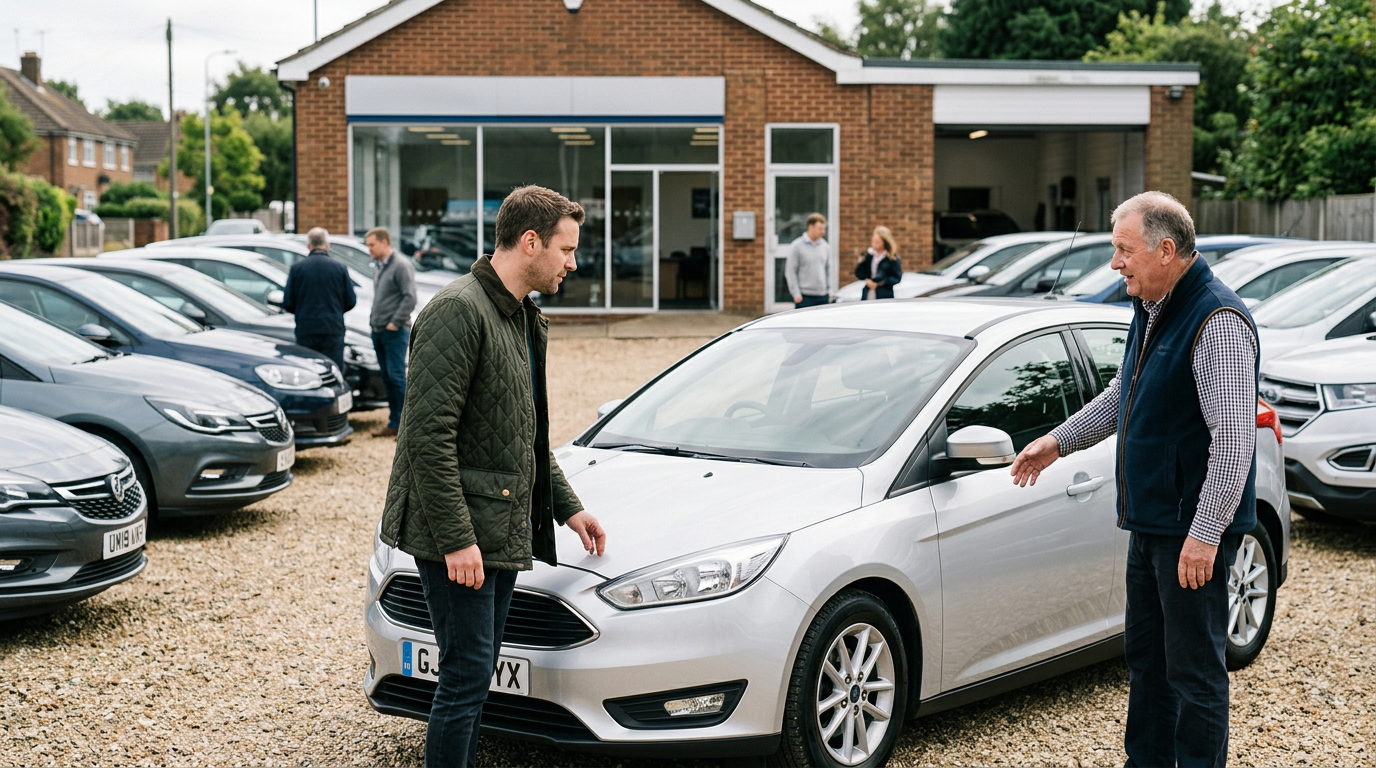
People searching for used cars for sale usually choose between main dealers, independent garages, car supermarkets and private sellers. These routes sit in different parts of the second hand market and offer varying mixes of age, mileage, price and support. Franchised dealers often focus on nearly new or approved used cars with full service records and higher prices. Independents and car supermarkets tend to provide a broader spread, from cheap runarounds to larger family vehicles. Private listings can be attractively priced but come with limited formal protection, so careful checks of the vehicle’s condition, paperwork and seller are important. Many buyers start with online searches for cars nearby, then compare options for convenience, total cost and the level of after‑sales help available.
Budget strongly shapes what is realistic, from older high‑mileage cars to newer models that hold value better. Lower budgets often mean accepting more wear and tear, so maintenance history and current condition matter more than image. With more money to spend, buyers may compare models regarded as among the more reliable used cars in their class, looking at fuel use, insurance and typical repair costs as well as purchase price. Some people consider spreading costs through finance agreements, which usually involve interest charges and credit checks. Whatever the price range, it is useful to think about how the car will be used, expected ownership length and running costs, then match those needs to the most suitable corner of the second hand market.
When comparing used cars for sale, reliability depends more on a car’s background than its badge. Check the history report, service book and MOT record, and make sure mileages match with no unexplained gaps. A higher‑mileage car with full servicing can be more dependable than a low‑mileage one that has been poorly maintained. Consider age as well as mileage, as newer second hand cars can still lose value quickly while very old models may need more frequent repairs. Look up common faults for the exact model you are viewing and use independent reliability surveys to see how it compares with some of the better regarded used cars in the UK. Cars sold under an approved used scheme usually receive extra checks and a warranty, but the added reassurance is often reflected in the price.
It is also useful to look beyond the asking price and consider long‑term running costs. Fuel economy, insurance group, tax band, typical servicing charges and the likely frequency of tyres, brakes and other wear items all influence what the car will cost over several years. Some models are known for expensive work such as automatic gearbox repairs or timing belt changes, so building this into your budget can reduce the risk of unexpected bills. If you plan to use finance, check that the car’s reliability and expected running costs fit comfortably alongside the monthly payments, as regular breakdowns or high repair costs can make any deal on a used car feel much less affordable.
| Check item | What to look for | Risk level if ignored |
|---|---|---|
| History and paperwork | Consistent MOT and service entries | High |
| Mileage and age balance | Higher mileage with full servicing | Medium |
| Common model faults | Known issues researched in advance | High |
| Running costs | Realistic fuel, tax and servicing expectations | Medium |
| Complex components | Gearbox and timing system inspection | High |
| Finance and budget fit | Monthly payments plus repairs affordable | High |
When people look for cheap used cars, two common budget bands are under £5,000 and under £10,000, each with different compromises. Below £5,000, you are likely to find older models with higher mileage, limited safety technology and more basic equipment, so it becomes especially important to check service history, MOT status and signs of wear that could lead to repair costs. Moving up to the under £10,000 bracket usually opens up newer cars with better safety features, lower mileage and a wider choice of body styles and fuel types, though prices still vary with condition and specification. In both ranges, realistic expectations about age, running costs and potential maintenance help you judge whether a car represents good value rather than focusing on headline price alone.
When deciding how to pay for a used car, most buyers weigh up paying in full against using some kind of finance. Using savings or a bank transfer means you own the car outright and avoid interest, but you should check you are not leaving yourself without a safety buffer. A personal loan from a bank or building society can offer fixed monthly repayments and clear consumer protection, though the loan will usually be secured only against your general ability to repay. Dealer finance such as hire purchase or personal contract purchase spreads the cost over monthly instalments and may give options at the end, such as paying a lump sum to keep the car or returning it instead. Whatever route you choose, compare the total amount repayable, not just the headline rate, and read the finance agreement carefully before you sign.
If you plan to use car finance, focus on whether the monthly repayments are realistically affordable for the whole term rather than simply aiming for the lowest figure. Smaller instalments often mean a longer agreement or a larger final payment, increasing the overall cost. Check the annual percentage rate, any fees for setting up or settling the finance early, and any mileage or condition rules if you might hand the car back or part‑exchange it. Make sure the vehicle price is reasonable for its age and mileage so you are not borrowing against an inflated value. Comparing offers from banks, online brokers and dealerships can help you understand the range of used car deals available, but be wary of promotions that suggest guaranteed approval or very cheap credit without clear terms. Taking time to review your budget, credit history and the small print can help you choose a payment method that balances short‑term affordability with long‑term cost and security.
Finance for a second hand car often involves personal contract purchase, hire purchase, personal loans or dealer plans. These differ in deposit size, how interest is charged and whether you own the car at the end. A deal that looks like a cheap option may rely on a long term or a large final payment, so it is useful to compare the total repayable, any charges, mileage limits and what happens if you settle early or change car.
Low monthly instalments on used cars can be appealing but may mean paying more overall. Extending the term usually cuts the monthly cost yet increases interest, and optional extras can raise the final price. Before signing, check whether the vehicle price matches its age and condition, consider whether payments remain manageable if your income changes, and read the agreement so you understand key risks and obligations.
When looking at used cars for sale, think first about the journeys you make and how much space you use. Small hatchbacks are easier to park and can suit commuting or short trips in town, while estates and SUVs give more boot space and a higher driving position for families, pets or bulky luggage. Saloons may feel calmer on the motorway but can have tighter boot openings, so it is worth checking how easy they are to load before deciding what works best for your everyday use.
Your choice between an automatic or manual gearbox, and between petrol, diesel, hybrid or electric power, should match traffic, mileage and local rules. Automatic models can reduce effort in congestion and are common among popular used cars in urban areas, while manuals may cost less and appeal to drivers who like more direct control. Petrol engines generally suit shorter mixed journeys, diesels are often more efficient on long trips but may face clean air charges, and electrified options can cut fuel use if you have convenient charging and understand the overall running costs.
How can I find reliable used cars for sale near me?
Use large classifieds and dealer websites, then filter by distance, MOT history, owner ratings and warranty. Always view in daylight, test‑drive, and inspect paperwork before committing.
What should I look for when buying a second‑hand car under £5,000?
Prioritise condition over age or gadgets. Check for full service history, recent MOT with few advisories, signs of rust or leaks, and budget for immediate maintenance such as tyres or brakes.
Are cheap used cars from private sellers a good idea?
They can be cheaper, but you get less formal protection. Meet at the seller’s home, confirm they’re the registered keeper, check the V5C, history and mileage, and walk away from any pressure.
How do used car finance and low monthly payment deals work?
Dealer finance, PCP, HP and personal loans spread the cost. Low monthly figures may rely on long terms or big final payments, so compare APR, fees, mileage limits and total repayable.
Are used automatic cars more expensive to own than manuals?
Automatics usually cost more to buy and sometimes use slightly more fuel. Gearbox repairs can be pricier, so look for documented servicing and test that shifts are smooth with no hesitation.