
x
When a burst pipe, sewage backup, or failed water heater floods your home, you need to act before a plumber arrives. This guide explains what counts as an emergency, the first safety steps, and how to choose qualified help for leak, drain, toilet, and sewer repairs.
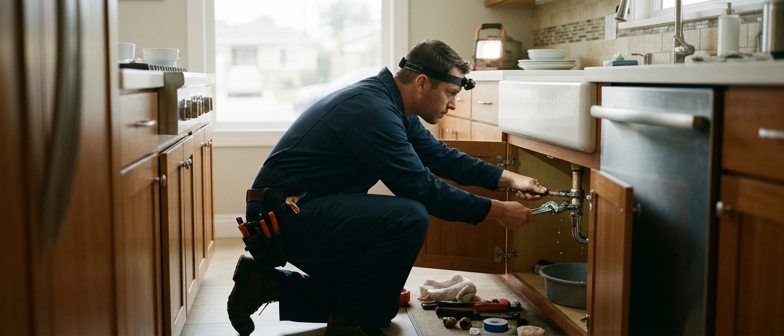
An emergency plumbing repair is any situation where water is actively damaging your home, creating a safety risk, or cutting off essential fixtures. Urgent water leak repair includes burst pipes soaking walls or ceilings, flooding floors, or water spraying from behind a fixture. Critical pipe repair services are needed when a pipe has cracked or frozen and you cannot safely shut off the supply. Sewage backing up into tubs, sinks, or floor drains, or a toilet that is overflowing and will not stop, usually calls for immediate help instead of waiting for normal hours.
Not every problem needs a middle‑of‑the‑night visit, but some still require fast attention. A toilet repair service may be time‑sensitive if your only bathroom is clogged or will not flush, while a slow leak under a sink can often wait until later the same day if you can shut off the local valve. Small leaks or a running toilet might be scheduled for the next available slot, but should still be treated as high priority so they do not grow into full emergency plumbing repair needs.
If a pipe bursts, a fixture overflows, or you notice a sudden water leak, first slow or stop the flow. Find the main shutoff valve near the water meter or where the line enters your home and close it. For a localized issue such as a leaking toilet or faucet, turn off the small valve on that fixture’s supply line. If water is near outlets, appliances, or a water heater, shut off breakers or unplug devices if you can do so without touching anything wet or sparking. Once the water is off, open a few lower‑level faucets to relieve pressure while you wait for professional water leak repair or other pipe repair services.
After the flow is controlled, focus on protection and documentation so the visit is faster and safer. Move furniture, rugs, and electronics away from wet areas, then use towels, buckets, or a wet vacuum to pick up standing water, watching for sagging ceilings or soft floors. If a toilet is backing up or overflowing, stop flushing, close its shutoff valve, lower the lid, and keep children and pets away until a licensed technician can provide toilet repair service and check nearby drains. Take clear photos or short videos of leaks, damaged pipes, soaked materials, and shutoff locations, and be ready to share them when the plumber arrives.
| Emergency type | First safety move | Water control action | Extra caution before plumber |
|---|---|---|---|
| Burst pipe or wall leak | Keep people away from soaked areas | Shut main valve, open lower faucets | Watch for bulging walls or ceilings |
| Leaking faucet or under-sink line | Clear cabinet of stored items | Close fixture shutoff valve | Place pan or bucket under drip |
| Toilet backup or overflow | Keep children and pets out of bathroom | Close toilet shutoff, stop flushing | Lower lid, avoid using nearby drains |
| Water near outlets or appliances | Stay off wet floors around power | Do not touch switches with wet hands | Shut breakers only from a dry spot |
| Ceiling drip from upper floor | Avoid standing under sagging areas | Shut main or fixture valve if known | Move furniture and rugs out of drip zone |
During any emergency plumbing repair, assume standing water may carry electricity, chemicals, or sewage. Stay out of flooded rooms with outlets, power strips, or appliances near the water, and never operate breakers or cords while you are on a wet floor. With gas or electric water heater repair, do not relight pilots or open panels if you smell gas, see scorch marks, or feel unusual heat; only shut off gas or power at a dry, accessible main control if you can do so safely, then wait for a licensed professional.
Sewer line repair and sewage backups require strict hygiene and limited contact. Do not flush toilets or run more water when sewage is returning into fixtures, and keep children and pets away. Avoid using household fans on sewage or questionable floodwater, since they can spread contaminants. If you must handle light cleanup, wear waterproof gloves and eye protection, wash thoroughly afterward, and discard porous items that were soaked. When deep water, exposed wiring, gas appliances, or raw sewage are involved, leave the area if you can, ventilate without driving fumes through the home, and call an emergency plumbing repair technician instead of attempting DIY work.
When a pipe bursts or a toilet overflows and you suddenly need emergency plumbing repair, do not hire the first result that appears when you search for a plumber near you. Take a moment to confirm the contractor is properly licensed for plumbing work, not just general repairs or handyman services. In California, that means a C‑36 plumbing contractor license with a visible license number you can verify on the state licensing board website. A licensed plumber is required to know plumbing codes and safety rules, which lowers the risk of shortcuts that could lead to water damage, mold, or code violations later.
Also ask whether the company carries liability insurance and workers’ compensation, and if they have recent experience with your type of emergency, such as water leak repair, failed shut‑off valves, or backed‑up drains. Even in a hurry, you can scan online reviews for patterns about punctuality, cleanliness, and whether the technician explains options before starting work. A reputable emergency contractor will describe the likely cause, outline any temporary stabilization, and give at least a rough cost range before opening walls, floors, or ceilings.
Because emergency plumbing repair often affects critical systems, such as water service lines, gas water heaters, or drainage and venting, confirm that the plumber follows local plumbing codes and obtains permits when required. Ask whether parts and labor are warranted and if they will return to handle issues that appear after the initial visit, such as minor seepage from a repaired joint. Taking a few extra minutes to choose a nearby, properly licensed and insured professional helps make the repair safer, more durable, and less likely to trigger repeat emergencies or inspection problems.
When you look for an emergency plumber near you, confirm they hold an active plumbing contractor’s license, not just years of experience. Ask for their license number before authorizing any Emergency Plumbing Repair and verify it on the state licensing board site to confirm it is current and in good standing. Also request proof of general liability coverage and workers’ compensation so damage to your home or injury to a technician does not become your financial responsibility.
Code knowledge matters because urgent work still has to meet plumbing and building rules to pass inspections and protect warranties or insurance claims. Ask whether the fix will comply with current plumbing code and any local water‑efficiency or safety requirements. A qualified professional should briefly explain how their materials and methods meet code, and provide basic documentation of the repair for your records if you sell the property or need follow‑up service.
During an emergency visit for urgent drain cleaning services, the plumber will ask when the backup started, which fixtures are affected, and whether you used chemicals or home tools. On site, they may run a small camera or use a drain snake or hydro‑jetting to clear grease, hair, food, or tree roots. Expect some noise and vibration while equipment runs, and a final check of several sinks, tubs, or toilets to confirm wastewater is flowing properly again.
Leaks and damaged pipes are another major emergency. For water leak repair, the plumber will quickly locate the source using visual checks or moisture meters, then shut off local valves or the main supply to stop flooding. With pipe repair services, they may cut out cracked or corroded sections and replace them, install temporary clamps on accessible lines, or recommend more extensive repiping if the system is very old. They may need to open small areas of drywall or ceiling to reach hidden piping and will often inspect nearby spaces for mold, structural issues, or code concerns before restoring water.
Toilet and hot water failures can also be treated as emergencies, especially if there is sewage or no hot water at all. During a toilet repair service call, the plumber will decide whether the problem is limited to the fixture, such as a failed fill valve, wax ring, or flange, or if it suggests a deeper sewer issue. For urgent water heater repair, they will check gas or power supply, thermostat settings, safety controls, and look for leaks or corrosion around the tank and connections. If repeated backups, foul odors, or gurgling toilets point to a sewer line repair, they may suggest a camera inspection and explain short‑term relief versus long‑term solutions, likely costs, and how long the work may take.
What counts as a true emergency plumbing repair?
Active flooding, a burst or frozen pipe you cannot shut off, sewage backing up, or an overflowing toilet that will not stop are emergencies. Losing all water to essential fixtures can also require urgent help.
What should I do before an emergency plumber arrives?
Turn off the main water valve or the valve to the leaking fixture. Stay away from standing water near outlets or appliances, and shut power only from a dry area. Then call a licensed plumber and clearly describe the problem.
How are emergency drain cleaning services usually handled?
The plumber asks which fixtures back up and whether chemicals were used, then clears the line with a snake, auger, or hydro‑jetting. They may run a small camera and test several drains to confirm proper flow.
What happens during emergency water leak or pipe repair services?
They locate the leak, isolate or cap the line, remove damaged pipe, and install new fittings. Walls or ceilings may be opened, and the plumber should note any needed drying or restoration.
How can I stay safe with toilet, water heater, or sewer line trouble?
For an overflowing toilet, close the shut‑off valve. For water heater repair, do not relight pilots or open panels; turn off gas or power only if the area is dry. With suspected sewer line repair issues, stop using plumbing fixtures until inspected.