
x
A quiet medical room, a routine health check, a small envelope of cash—and somewhere else, the first photo of a long‑awaited baby. Behind clinical forms, genetic screening, strict age limits, and confidentiality rules lies a complicated mix of financial motives, ethics, law, and profoundly personal hopes.
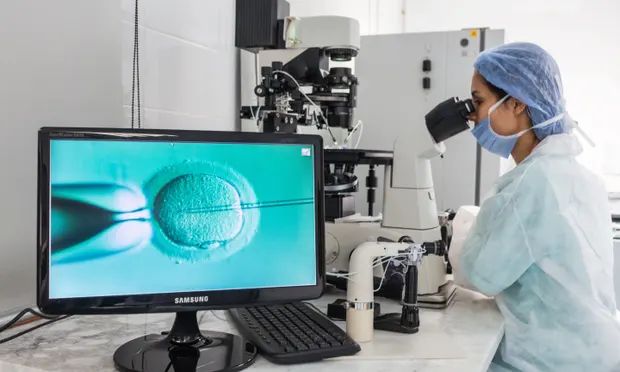
For many first‑timers, walking into a sperm clinic feels like standing between curiosity and mild panic. The waiting room usually looks like any other medical office: neutral walls, disinfectant smell, worn magazines, people scrolling on their phones and carefully not making eye contact. The silence is not exactly awkward, but it has its own quiet tension, as if everyone agreed not to acknowledge why they are there.
New visitors are almost always met with a stack of forms that seem to go on forever. Questions cover your medical history, medications, surgeries, allergies, substance use, and relatives’ health issues. It can feel intrusive, but those pages are already part of a serious screening process. Staff tend to be matter‑of‑fact and unflustered; they have seen every expression from nervous laughter to total shutdown, and they usually answer frank questions with the same calm tone.
Many people assume they will stroll in, donate once, and walk out with money the same day. In reality, the first visit is closer to an audition for a long‑term role than a quick gig. Blood and urine tests check for infections, while lab staff look at sperm count, movement, and shape. Some clinics also look at family history for inherited conditions and may add genetic panels or chromosome checks.
Even if the first sample looks good, that does not guarantee approval. Sperm must survive freezing and thawing, so labs run “freeze‑thaw” tests to see whether enough cells stay active after storage. Some otherwise healthy people fail at this stage simply because their cells do not handle freezing well. Others pass medically but decide after learning all the details that the emotional or time commitment is not for them.
Behind all the jokes and stereotypes, the actual donation room is usually small, quiet, and intensely practical. There is a sink, a trash can, plenty of tissues, sometimes a simple chair or couch, and a little counter with labeled containers. Doors often have special locks or signs to keep anyone from accidentally walking in. What feels like a punchline in conversation turns into a precise procedure in real life.
Nerves are extremely common. Some people freeze up, need more time, or cannot finish on the first try. Staff are rarely surprised; they simply wait outside and give basic instructions. Labels must be written clearly; samples usually have to be handed back within a set number of minutes so the cells are still usable. Small mistakes happen—spilled cups, missing initials, forgotten times—but clinics are used to guiding people through the learning curve.
Posters and online ads tend to show a big number, a relaxed model, and promises of “easy extra cash.” What is rarely highlighted is that those numbers often assume perfect attendance, long‑term participation, and every sample meeting strict lab standards. Real life, with its sickness, schedule changes, and stress, rarely cooperates that neatly.
In many places, payment is tied to accepted samples, not just visits. Some clinics split compensation into two parts: a small amount right away and the rest after lab staff confirm the sample is good enough to store. If a sample fails testing, that visit might not be fully paid. Over a month, this can make total income quite different from the glossy headline figures.
Payment also comes with rules about timing and frequency. Donors are usually asked to avoid ejaculation for a few days before each appointment to keep counts stable. They cannot simply show up every day to “maximize” income; the body needs time to recover. That means weekly or monthly totals are limited before anyone even starts doing the math.
Then there is the invisible work: traveling to the clinic, filling forms, waiting for blood draws, repeat exams, and occasional updates to records. When someone adds up transit time, waiting time, and the mental energy of staying within clinic guidelines, the effective “hourly pay” often looks lower than the ad suggested. For some, it still feels worth it as side money; for others, the balance shifts from “easy” to “exhausting” surprisingly fast.
People thinking about becoming donors often weigh it against other side gigs: shift work, food delivery, campus jobs, online freelancing. Each option has its own trade‑offs in privacy, stress, physical effort, and schedule flexibility.
| Option type | Physical effort level | Privacy exposure | Schedule flexibility | Emotional complexity |
|---|---|---|---|---|
| Manual or service shifts | Higher | Public‑facing | Depends on employer | Mostly work‑related |
| Remote or online work | Low to moderate | Digital footprint | Often flexible | Performance and reviews |
| Medical‑related donation | Low physical strain | Medical staff only | Appointment‑based | Tied to body and identity |
For some people, the appeal of medical‑related donation is that it feels private and structured; for others, the personal nature of what is being provided makes it feel more loaded than any other job.
Screening starts long before anyone hands over a sample container. Health professionals look at your current state and your family’s medical story, trying to spot patterns that might raise red flags for future children. Questions can reach back through parents, grandparents, and siblings, asking about heart disease, mental health conditions, developmental differences, and more.
Being turned away does not mean someone is “unhealthy” in everyday life. It usually means that, from a risk‑avoidance point of view, their background makes them a less suitable match for creating pregnancies. That can still sting, especially if a person walked in mainly thinking about money and walks out carrying new information about genetic risks or family patterns they had never examined closely.
Genetic tests add another layer. Some clinics screen donors for carrier status of various inherited conditions that can hide quietly in a person’s DNA. Learning that you carry something that could affect a future child can be unsettling. People may end up having conversations with partners or relatives that they never expected to have, all because of a side‑income plan.
On top of genetics, there is routine testing for infections on a regular schedule. Blood draws and lab reports become part of the rhythm. If new issues appear, donations may be paused or stopped altogether. That serves recipients’ safety, but it also reminds donors that their status is always under review, both medically and financially.
Beyond biology, lifestyle choices matter. Forms may ask about recent travel to certain regions, new tattoos or piercings, sexual behavior, smoking, alcohol, and drug use. Changes in any of these areas can affect whether a person can continue donating. Some people experience this as frustrating or judgmental; others feel reassured that potential offspring and recipients are being protected carefully.
These shifting rules mean that being approved once is not a forever guarantee. A donor may move, change habits, or simply age out of eligibility. Thinking of the role as a long‑term “contract” rather than a permanent identity helps set more realistic expectations.
While donors focus on labs and payouts, recipients sit on the other side of the same system, often after dealing with years of fertility challenges or the limits of their relationship structure. To them, the clinic is not just a business; it is one of the few remaining doors to having a child at all.
They read through profiles that might list height, education, hobbies, a short personality description, and health information. Some look for someone who roughly matches a partner’s features; others prioritize health history or personal interests. It can feel strange and uncomfortable to “choose” genetics from a menu, even when the intention is simply to give a future child the best possible start.
Once a pregnancy happens, the donor’s role shifts in the recipient’s mind. The person behind the profile often becomes an invisible but lasting presence. Parents might notice a child’s smile, humor, or talents and wonder which parts came from which side. At the same time, the daily reality of feeding, soothing, and raising the child quickly matters far more than the anonymous description that once felt so important.
Many parents wrestle quietly with what, when, and how to tell their child about their beginnings. Some opt for early, age‑appropriate openness; others wait until adolescence or later. The donor remains a shadow figure in the background—a real person who influenced the child’s genome but not their bedtime stories or report cards.
As more people use consumer DNA tests, the idea of lifelong anonymity grows less certain. Children conceived with donor help may one day send in a saliva sample out of curiosity and suddenly see a cluster of unfamiliar relatives. Some may feel a powerful desire to reach out; others may simply tuck the information away as one more data point about their origins.
Parents, donors, and clinics all have to make choices without fully knowing how future technologies or attitudes will evolve. That uncertainty adds a layer of emotional risk that does not fit easily on a brochure or website.
How do I find reputable paid sperm banks or sperm clinics near me in the U.S.?
You can search ASRM- or FDA-compliant sperm banks, check clinic websites for “donor program” sections, read independent reviews, and verify screening protocols, contract terms, and payment structure before applying.
I want to donate sperm—what basic requirements do clinics usually have?
Most clinics require donors to be 18–39, in good health, non-smokers, with no serious genetic or infectious diseases, and able to commit to multiple visits for screening and regular donations.
How much can you make donating sperm in the United States?
Compensation typically ranges from about $70–$150 per donation, with active donors sometimes earning several hundred dollars a month, depending on location, demand, and how often they qualify to donate.
What should I expect during my first visit to a sperm clinic near me?
You’ll usually complete medical and family history forms, provide a semen sample for analysis, undergo blood and urine tests for infections, and may meet with a genetic counselor before being fully accepted.
What legal and privacy issues should I know before using or becoming donor sperm?
Clinics use legal consents specifying parental rights, donor anonymity or identity-release status, limits on offspring numbers, and data storage; U.S. laws vary by state, so reviewing contracts and local statutes is important.