
x
Pool maintenance can feel overwhelming when you’re weighing DIY care against hiring weekly or one‑time pool service. This guide helps you compare costs, understand what routine visits include, and decide how to handle cloudy or green water without overspending on equipment checks or repairs.
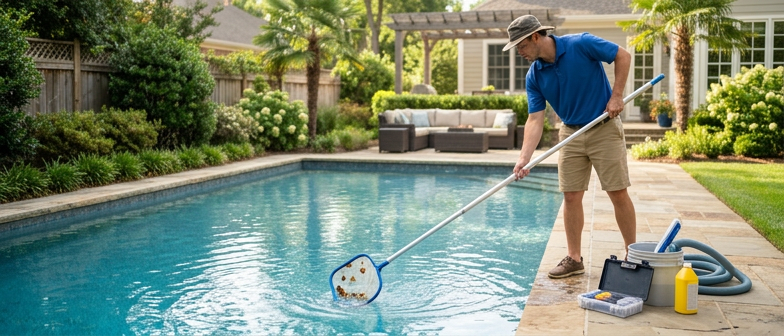
For homeowners, consistent pool maintenance keeps the water safe, comfortable, and ready to enjoy. Clean, balanced water helps prevent irritation, slippery surfaces, and bacteria growth that can make swimming risky. When you follow a simple weekly pool care checklist that covers skimming, brushing, testing chemicals, and quick visual inspections, you avoid most major problems before they start. Clear water signals that circulation, filtration, and sanitizing are all working properly, so your pool stays a healthy part of your home rather than a source of surprise repairs.
Regular care also protects expensive equipment and keeps long‑term costs under control. Pool maintenance with equipment checks gives you a routine way to spot weak pump flow, noisy motors, or pressure spikes in the filter before they turn into breakdowns. Inspecting and cleaning baskets, monitoring filter pressure, and looking at seals and valves each week can extend the life of your system and reduce emergency service calls. Over time, this steady attention helps you spend less on repairs, use water and energy more efficiently, and decide when to handle tasks yourself and when to call a professional.
A simple weekly pool maintenance routine keeps water clear and safe. Focus on circulation by running the pump long enough for your pool size, then once a week skim leaves, empty skimmer and pump baskets, and brush walls, steps, and the waterline to discourage algae. Even a beginner can handle these basics with a pool maintenance kit that includes a leaf skimmer, brush, telescoping pole, and water testing tools.
Testing and balancing water is the core of any weekly pool care checklist. Check free chlorine, pH, alkalinity, and stabilizer at least once a week, then adjust chemicals to stay in the recommended ranges. Keeping chlorine and pH steady helps prevent cloudy, irritating water and reduces the chance you will later face costly cleanup or need a professional visit. A beginner pool maintenance kit usually provides clear, color‑coded tests and guidance so you can quickly learn what each reading means.
End your weekly routine with brief equipment checks before problems grow. Look at the pool filter pressure gauge, watch for leaks around the pump, and confirm that the pump lid and o‑rings seal correctly. Clean or backwash the filter when pressure rises and note unusual pump noises that might signal wear. Regular equipment checks built into your weekly pool care keep the system efficient and extend the life of your gear.
| Weekly Task | Best For Beginner DIY | Needs Beginner Pool Maintenance Kit | Better For Professional Service | Risk If Skipped |
|---|---|---|---|---|
| Skim surface and empty baskets | High | Basic tools only | Low | Debris buildup and poor circulation |
| Brush walls, steps, waterline | High | Pool brush and pole | Low | Algae start and slippery surfaces |
| Test chlorine and pH | High | Test kit or strips | Medium | Cloudy or irritating water |
| Adjust chemicals to balance water | Medium | Testing guidance and log | Medium | Unstable water and later cleanup |
| Check filter pressure and leaks | Medium | Visual inspection only | High | Hidden equipment wear and inefficiency |
| Clean or backwash filter | Low | Basic knowledge needed | High | Poor filtration and recurring water issues |
A beginner pool maintenance kit should cover the basics for a simple weekly pool care checklist. Include a leaf skimmer, wall and floor brush sized for your pool, and a vacuum head and hose that work with your circulation system to remove debris before it reaches the filter. Add a water testing kit or test strips for chlorine, pH, alkalinity, and stabilizer, plus small measuring cups and a log sheet so your routine becomes consistent instead of guesswork.
For Pool Maintenance, the first choice is between DIY care and hiring a service. Doing your own cleaning, testing, and chemical balancing can lower out‑of‑pocket costs, but it takes time, basic chemistry skills, and steady attention. When you compare DIY vs pool service cost, think about how much your time is worth, how confident you are with solving problems, and whether you want full responsibility for keeping the water safe every week.
Professional services set pricing around what weekly pool service usually includes, such as brushing, vacuuming, skimming debris, testing and adjusting chemicals, and quick equipment checks. Many companies also offer one‑time pool cleaning when you fall behind or need the pool ready after bad weather. As you compare pool maintenance companies, look past the headline rate and ask exactly which tasks are covered, how often technicians visit, and what extra fees apply for chemicals or urgent calls.
Choosing between a single visit and recurring pool service comes down to consistency and risk. A one‑time cleanup can recover a neglected pool, but without a clear DIY plan, water quality can quickly slip again. Ongoing weekly service, especially when it includes regular water treatment and equipment checks, helps prevent cloudy water and algae so small issues do not grow into repairs. Many owners settle on a mix of recurring care for busy periods and occasional one‑off help when they need backup.
| Option | Effort & Skill Needed | Cost Drivers | Typical Scope | Best Fit Owner Type |
|---|---|---|---|---|
| DIY ongoing care | High effort, moderate chemistry skill | Chemicals, test supplies, personal time | Routine cleaning, testing, basic troubleshooting | Hands‑on, budget‑focused, confident problem solver |
| Weekly professional service | Low effort, no technical skill | Service plan, visit frequency, add‑on fees | Skimming, brushing, vacuuming, chemical adjustment, equipment checks | Busy schedule, prefers consistency and low risk |
| One‑time professional cleaning | Temporary low effort, follow‑up DIY needed | Condition of pool, urgency, extra treatment needs | Intensive debris removal, chemistry reset, short equipment review | Occasional user, catching up after neglect or bad weather |
| Mixed DIY plus recurring service | Moderate effort, shared responsibility | Selective service visits, DIY materials, seasonal needs | Pro handles core tasks, owner handles light in‑between care | Wants reliability but still involved in maintenance |
A standard weekly pool service focuses on keeping the water clean, balanced, and safe as part of ongoing pool maintenance. Technicians skim the surface, brush walls and steps, and vacuum the floor to remove debris. They test and adjust key water chemistry values such as chlorine, pH, and alkalinity, then add chemicals so the pool stays clear and less likely to develop algae or cloudy water between visits.
Weekly pool service also includes basic equipment checks that many owners skip with DIY care. The technician empties skimmer and pump baskets, checks filter pressure, confirms that pumps, heaters, and chlorinators are working properly, and looks for early signs of leaks or wear. This routine pool maintenance with equipment checks helps prevent minor issues from becoming costly repairs and shows whether the service matches your pool’s needs.
Cloudy pool water usually comes from poor filtration, imbalanced chemistry, or heavy debris. Test and adjust pH, alkalinity, and chlorine, clean skimmer baskets, and run the pump longer than usual. Backwash or clean the filter first, and only use a clarifier if the water stays hazy. For many homeowners, the cost to clear a cloudy pool on their own is limited to chemicals and test supplies. Hiring a professional cloudy pool water service adds labor and troubleshooting, but a targeted one-time pool cleaning visit can restore clarity quickly and prevent the issue from becoming more expensive.
A green pool signals a serious algae bloom and demands faster, more aggressive action. Brush all surfaces, add a strong shock treatment, and keep the pump and filter running continuously until the color shifts from green to cloudy blue, then clear. Fixing severe algae is usually pricier than clearing mild cloudiness, especially if the pool has been neglected and you need local green pool cleanup help. Many companies offer single green-water recovery, but may suggest moving from one-time cleanup to recurring service to prevent repeat blooms, so weigh those options against the time and effort of handling ongoing treatments yourself.
Why does consistent pool maintenance matter for homeowners?
Regular care keeps water safe, prevents algae and bacteria, protects surfaces and equipment, and reduces surprise repair costs.
What should a beginner pool maintenance kit include?
Start with a leaf skimmer, wall and floor brush, vacuum head and hose, telescoping pole, and a basic test kit or strips for chlorine, pH, and alkalinity.
What tasks belong on a weekly pool care checklist?
Run the pump for enough hours, skim debris, empty skimmer and pump baskets, brush walls and steps, vacuum if needed, and test and adjust chemistry.
How should I compare DIY costs with hiring a pool service?
Add up chemical and supply costs, then weigh your time, comfort with troubleshooting, and the value of a pro handling ongoing care and equipment checks.
What affects the cost of clearing a cloudy or green pool?
Costs depend on chemical needs, filter cleaning or repair, pool size, and whether you choose a local one-time cleanup service versus fixing it yourself.