
x
A $99 sensor-pack example shows why refills matter. Compare meter supplies, CGM purchases and your quoted cost after confirmed insurance coverage.
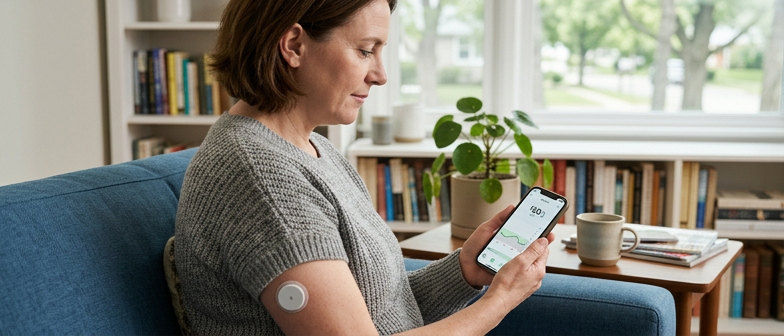
The price of a glucose monitor can look manageable until the next supply order arrives. A meter needs compatible test strips; a wearable sensor has a limited lifespan, so its purchase price may represent a supply period rather than equipment you keep using indefinitely.
For adults comparing diabetes monitors in the United States, the useful comparison is the cost of running an appropriate system over the same period. A real sensor-pack price, a refill calculation and the difference between cash payment and coverage show how to build that comparison.
Stelo's official US store listed two biosensors for a one-time price of $99, with free shipping, on October 27, 2026. Each sensor is described as lasting up to 15 days.
| Purchase at that same unit price | Sensors | Supply-cost calculation |
|---|---|---|
| One pack | Two | $99 |
| Three packs | Six | 3 × $99 = $297 |
The second row is arithmetic, not a quoted 90-day plan. Six sensors could cover up to 90 days at the maximum stated wear time, but early failures or shorter wear would change that; applicable tax and any other required purchases are outside this calculation.
The useful finding is that $99 is a replenishable supply cost. It should not be compared with another product's starting-device price as though both purchases covered the same period.
This example uses repeated one-time purchases at an unchanged price, not a subscription rate or an insurance benefit. Current package terms and replacement policies determine what a usable supply period actually costs.
A fingerstick meter measures a small blood sample using a strip. A continuous glucose monitor, or CGM, provides repeated readings through a wearable sensor; their functions and intended uses differ, so cost comparison comes after identifying medically appropriate options.
| Quote you receive | What its price may represent | What completes the comparison |
|---|---|---|
| A low-priced meter | Starting equipment | Compatible strips, lancets and required control solution for the chosen period |
| A prescription CGM quote | A particular device or supply order | Included sensors, required components and confirmed patient payment |
| An OTC sensor package | A limited quantity of replacement sensors | Wear period, repeat purchases and applicable purchase terms |
For a meter, the supply calculation starts with the testing schedule given by your healthcare professional. Multiply the required number of strips by their cost, then include other necessary consumables; this article does not set a testing frequency.
For a CGM, use the pack quantity and labeled replacement schedule to estimate refills. Keep separately purchased receivers or other components on their own line so a starting expense does not disappear inside an attractive refill price.
Make every quote answer the same three cost questions:
That separates two genuinely different outcomes: a lower complete cost and a lower price for a smaller part of the system.
The cash price and an insured patient's payment are different calculations. A retail discount is not proof of coverage, and an advertised insurance offer is not a benefit confirmation for your model and supplier.
Original Medicare Part B may cover a CGM and related supplies for an eligible person with diabetes when ordered by a healthcare provider. Its guidance includes insulin use or a history of problems with low blood sugar that meets Medicare's eligibility requirements, plus adequate training for the user or caregiver.
When the supplier accepts assignment, the stated patient share is generally 20% of the Medicare-approved amount after the Part B deductible. You cannot turn the $99 retail example into a $19.80 Medicare quote: retail price, approved amount, eligibility and remaining deductible are different inputs.
Part B also covers prescribed home blood glucose monitors subject to its rules. Monitor coverage does not establish that every item or quantity in a retail bundle will be paid for.
The personal coverage comparison needs three answers:
For another plan, its pharmacy or equipment benefit may produce a different result. A confirmed refill quote gives you something comparable with a cash package; a general statement that a device is “covered” does not.
OTC availability does not make a device interchangeable with a prescribed CGM. Stelo, for example, is intended for people not using insulin and is unsuitable for problematic hypoglycemia because it lacks the alerts needed for that condition; the FDA also excludes people on dialysis.
The current Stelo store page additionally says not to use the product with a history of eating disorders. Its instructions require consultation with a healthcare professional before medication adjustments or other medical action based on sensor readings.
Age information also needs care: the FDA announced Stelo clearance for ages two and older in June 2026, while the store page reviewed here still says 18 and older. This adult buying guide does not resolve that discrepancy for a child; the manufacturer and the child's clinician must clarify the current product labeling.
These boundaries explain why a low cash price alone cannot settle the choice. Follow your clinician's monitoring plan and the device instructions, including what to do when symptoms and readings disagree.
Start with the purchasing situation that actually applies:
Phone compatibility belongs in that total-cost decision. An app-based system is not ready to use merely because you own a smartphone; the exact model and operating system must be supported, and any separate display requirement belongs in the quote.
Keep optional services separate so two totals describe the same purchase. Also record the supply period and the quote date: a discounted first pack and a repeat order at another price are two different numbers.
No: the cited Stelo pack contains two sensors rated for up to 15 days each. Maximum wear time is not guaranteed for every sensor, so replacement terms matter when estimating continuous use.
The starting price cannot establish that. Compare medically appropriate options using the required supplies, the same period and your actual payment after confirmed coverage.
Not necessarily: a deductible and coinsurance can remain. Eligibility, the approved amount, the supplier's participation and other coverage determine what you actually owe.
Ask for the total patient payment for a defined supply period, with the exact model and quantities included. Then separate starting equipment from refills so you can see what continues after the first purchase.
The remaining amount is personal: the price for an appropriate model, your required supplies and the payment route available to you. A current supplier quote and your own benefit details can turn the comparisons above into an estimate for your next refill.
Official sources · checked October 27, 2026