
x
When regular cleaning no longer shifts grime, odours or clutter, you may start comparing deep cleaning services, costs and NDIS options. This guide helps you understand what a whole‑house deep clean includes, how kitchen, bathroom and oven add‑ons are priced, and what to discuss when requesting quotes.
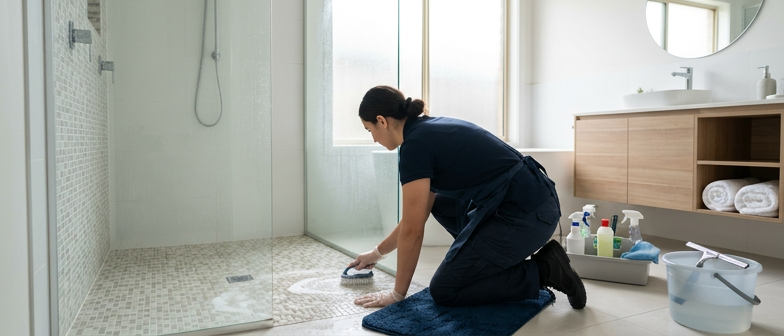
Deep Cleaning Services go beyond a standard tidy or weekly wipe, targeting areas where dust, grease and bacteria build up over time. When people ask what a deep clean includes, it usually means attention to hard‑to‑reach spots such as skirting boards, door frames, window tracks, light switches, tops of cupboards and behind or under large furniture and appliances. High‑touch surfaces are sanitised thoroughly, and cleaners focus on grout lines, taps, drains and ventilation fans that can harbour mould and soap scum. The goal is not just a neat appearance, but removing embedded dirt and allergens that regular cleaning misses.
Deep cleaning also tackles built up grime that has accumulated over months or years, including baked‑on oven residue, heavy scale in showers, sticky rangehood filters and film on kitchen cabinets. Services commonly cover detailed bathroom and kitchen degreasing, limescale removal from glass and tiles, intensive floor scrubbing for grout or textured surfaces, and spot cleaning of marks on walls and doors where suitable. Because this work is more intensive and time‑consuming, providers schedule longer appointments and bring stronger but still household‑safe products and tools such as scrubbing pads, steam cleaners or detail brushes, creating a cleaner base that makes ongoing maintenance easier.
In most Deep Cleaning Services, the kitchen and bathroom are the main focus because routine wiping only covers visible surfaces. To properly deep clean the kitchen and bathroom, cleaners work on spots that collect hidden grease, soap scum and bacteria, including behind appliances, inside cupboards, around taps and along grout lines. Strong but suitable products, detail brushes and microfibre cloths are used to remove residue, with extra attention to food preparation areas, toilets and showers so the rooms are not just neat but hygienically cleaned.
Bathroom odour deep cleaning concentrates on the sources of smells rather than covering them with fragrance. This includes treating mould around silicone, scrubbing tile grout, cleaning drains and traps, and removing built up grime on shower screens, taps and basins. Ventilation fans, skirting boards and the floor around the toilet are cleaned more thoroughly than in a regular visit, reducing bacteria and damp odours so the bathroom stays fresher between appointments.
To deep clean a house with clutter, cleaners first organise and move items so they can reach skirting boards, under furniture, window sills and storage corners where dust and grime accumulate. Deep cleaning for built up grime in these areas often involves washing doors and handles, wiping walls in high traffic zones, and vacuuming and mopping in stages to lift older dirt. This systematic approach helps restore hidden corners and walkways, even in busy homes with many belongings.
| Home area | Typical deep cleaning tasks | Odour / grime focus | When to prioritise |
|---|---|---|---|
| Kitchen | Detail clean appliances and cupboards | Hidden grease on surfaces and fittings | Food prep spaces feel sticky or dull |
| Bathroom | Scrub tiles, grout and fixtures | Persistent bathroom odour and soap scum | Smells linger after standard cleaning |
| Toilet zone | Clean around base, skirting and floor | Bacteria build up near toilet | Visible staining or frequent odours |
| Ventilated spaces | Dust and wipe fans and vents | Trapped moisture and stale air | Windows fog, room feels damp |
| Cluttered rooms | Move and organise items before cleaning | Built up grime in corners and walkways | Dust accumulates behind belongings |
| High traffic areas | Wash doors, handles and wall spots | Touch marks and embedded dirt | Hallways and entries look worn |
Deep cleaning the kitchen and bathroom focuses on heavy use areas and built up grime. Benchtops, splashbacks and cupboard fronts are thoroughly degreased before cleaners move to appliances. An experienced NDIS oven cleaning provider will remove racks, apply food safe degreasers, use steam or hot water extraction, and scrub seals and glass where residue accumulates. In the bathroom, tiles, grout, taps and shower screens are treated with scale removers to clear hard water marks and soap scum, giving a deeper result than a quick tidy.
Bathroom odour deep cleaning starts by finding the source, such as trapped moisture in silicone, urine around fixtures or mould in corners, then using targeted disinfectants, enzyme products and thorough rinsing instead of masking the smell. The same detailed approach is used for built up grime at floor edges, around drains and behind toilets, with small tools reaching awkward spots. NDIS participants should confirm that any provider offers suitable chemicals and follows support plan requirements when deep cleaning kitchens and bathrooms.
Deep cleaning services may be funded under NDIS domestic assistance when they are clearly linked to disability support needs. Eligibility usually depends on whether the work is reasonable and necessary, keeps your home safe and hygienic, and goes beyond ordinary living costs. This can include deep cleaning for built up grime in kitchens and bathrooms, specialised bathroom odour treatment when standard products fail, or help to deep clean a house with clutter when mobility, cognitive or sensory issues make the space unsafe. At planning meetings, explain why periodic deep cleaning is essential, how often it is required, and whether you need multiple cleaners for a large house to finish the job safely.
When discussing funding, clarify what a deep clean includes for you and how it differs from normal chores. It might cover a full deep clean of the kitchen and bathroom, appliances and hard-to-reach areas, or only specific tasks such as engaging an NDIS oven cleaning provider for heavy grease. A planner or support coordinator can help you compare deep cleaning services and check that providers follow NDIS rules and respect your goals. Before you book a house deep clean nearby, request a clear scope of work, details of any oven cleaning add-on cost or other extras, and confirmation that the service matches what your plan has approved so you stay within budget.
When you work with a deep cleaning provider under the NDIS, first confirm your deep cleaning eligibility and where it fits in your plan. State your goals, such as dealing with long-term grime, and ask which tasks count as NDIS-funded deep cleaning, what you must pay for yourself, and how the provider keeps notes that meet NDIS documentation standards.
Deep cleaning services are usually priced by property size, how much grime has built up, and how many rooms need detailed attention. When you request a three bedroom deep clean quote, providers will ask about bathroom numbers, whether the kitchen needs a full detail, and how cluttered the house is, because these factors change how long the team will be on site. Larger or multi‑storey homes often require multiple cleaners for a large house so the work can be finished in a reasonable timeframe, which may appear as a higher flat price or hourly rate. Supplying photos and an honest description helps ensure the estimate reflects the actual work.
Service options also affect cost, especially when you add specialist tasks. An oven cleaning add on cost is typically shown as a separate item because it involves extra products, time and removal of built up carbon and grease. When you compare house deep cleaning services, look beyond the headline price and check whether detailed appliance cleaning, shower screen descaling, grout treatment and inside cupboards are included or charged separately. Clear quotes outline inclusions, approximate duration and any surcharges for weekend work or very heavy build up, making it easier to choose a service that matches your budget and expectations.
| Service option | Typical inclusions | Time impact | Cost impact | Best suited for |
|---|---|---|---|---|
| Standard deep clean, single cleaner | Whole home surfaces, basic kitchen and bathroom detail | Longer visit, steady pace | Base rate, lower overall spend | Smaller homes, light to moderate grime |
| Standard deep clean, multiple cleaners | Whole home surfaces, coordinated room-by-room detail | Shorter onsite time, faster completion | Higher combined rate, efficient value | Larger or multi-storey homes |
| Deep clean with oven add-on | Standard deep clean plus full oven interior detail | Extra focused time in kitchen | Separate line item, noticeable uplift | Homes with built-up oven grease |
| Deep clean with extended wet-area focus | Shower screens, grout, taps, heavy bathroom detailing | More time in bathrooms and laundry | Moderate increase, depends on buildup | Properties with stubborn bathroom odour or scale |
| Premium deep clean, multiple add-ons | Inside cupboards, detailed appliances, grout treatment | Longest total duration, intensive work | Highest quote range, tailored extras | Households wanting occasional top-to-bottom reset |
What does a whole‑house deep cleaning service usually include?
It focuses on built up grime and hidden dust: skirting boards, door frames, window tracks, switches, vents, tops of cupboards, and areas behind or under furniture and appliances, plus detailed work on grout, taps, drains and other high‑touch surfaces.
How is a kitchen and bathroom deep cleaned when there is long‑term buildup?
Cleaners degrease benches, splashbacks and cupboards, detail appliances, then treat tiles, grout, taps, shower screens and toilets for soap scum and hard water, with optional bathroom odour deep cleaning when normal products are not enough.
Can NDIS funding cover deep cleaning and oven detailing, and who is eligible?
NDIS may fund deep cleaning when it is reasonable and necessary for your disability support needs, such as heavy grime removal or odour issues. An NDIS oven cleaning provider should confirm what your plan allows before work starts.
What should I mention when booking a deep clean for a cluttered three bedroom home nearby?
Explain how much clutter there is, number of bathrooms, and whether the kitchen needs full detailing. Ask for a three bedroom deep clean quote that allows sorting around belongings and, if needed, multiple cleaners for a large house.
How can I compare deep cleaning options and understand oven add‑on costs?
Compare what each deep cleaning service includes, especially for built up grime, and whether they can send more than one cleaner. Request itemised pricing to see the oven cleaning add on cost, kitchen and bathroom detailing, and any odour treatments.