
x
Wer ein E-Bike finanzieren möchte, steht zwischen Leasing, Kredit und klassischem Ratenkauf – oft sogar mit vermeintlichem 0percent-Leasing. Der Text zeigt, wie Sie die Modelle vergleichen, versteckte Kosten erkennen und eine zu Ihrem Budget passende E-Bike-Ratenzahlung wählen.
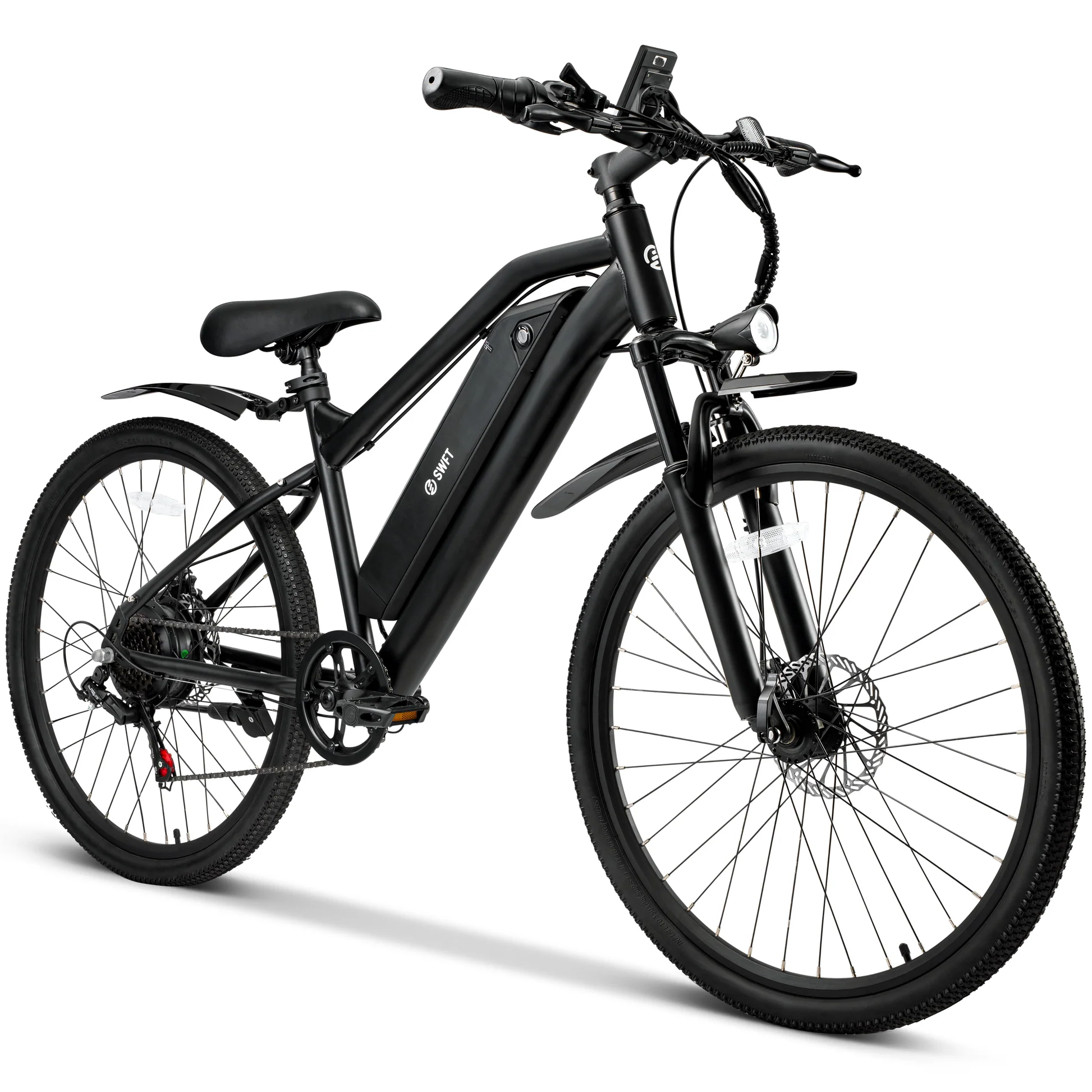
Ein modernes E-Bike ist eine grössere Anschaffung, die schnell mehrere tausend Franken kosten kann. Viele möchten den Betrag deshalb nicht auf einmal bezahlen, sondern denken über eine E-Bike Finanzierung nach, etwa über Raten beim Händler oder einen Konsumkredit. Entscheidend ist eine saubere Budgetplanung: Nur wer monatliche Fixkosten, Reserven und andere Schulden realistisch einbezieht, kann beurteilen, ob eine E-Bike Ratenzahlung die Haushaltskasse nicht überlastet. Zusätzliche Kosten wie Zinsen, Vertragsdauer und nötige Versicherungen müssen im Gesamtpaket mitgedacht werden.
Vor der Entscheidung sollten Sie klären, ob Sie das E-Bike direkt in Teilzahlungen beim Händler erwerben wollen, also das Velo auf Raten kaufen, oder ob ein separater E-Bike Kredit über eine Bank sinnvoller ist. Beide Varianten unterliegen unterschiedlichen rechtlichen Regeln, etwa beim Rücktrittsrecht, bei der Bonitätsprüfung und beim Umgang mit Zahlungsausfällen. Für manche lohnt sich eine Finanzierung nur, um Liquidität für andere Ausgaben zu bewahren, für andere ist es vernünftiger, zuerst zu sparen. Sorgfältige Planung heisst, nicht nur auf die monatliche Rate zu achten, sondern die Gesamtbelastung und die eigenen Mobilitätsbedürfnisse nüchtern zu prüfen.
Ein E-Bike Kredit ist eine Form der E-Bike Finanzierung, bei der der Kaufpreis sofort bezahlt wird, das Geld aber als Konsumkredit von einer Bank oder einem Finanzinstitut stammt. Grundlage ist ein Vertrag mit festgelegter Kreditsumme, Laufzeit und fixem oder variablem Zinssatz. Vor der Zusage prüft der Anbieter Ihre Bonität: Einkommen, laufende Verpflichtungen, Betreibungen und Einträge im Kreditregister entscheiden über Zins, Höhe und Bedingungen. Je besser Ihre finanzielle Situation dokumentiert ist, desto eher erhalten Sie einen tieferen Zins und insgesamt vorteilhaftere Konditionen.
Die Monatsrate bei einem E-Bike Kredit ergibt sich aus Kreditsumme, Zinssatz und Laufzeit und ist das Herzstück jeder E-Bike Ratenzahlung. Eine längere Laufzeit senkt zwar die monatliche Belastung, erhöht aber die Gesamtzinskosten. Kürzere Laufzeiten sind meist günstiger, verlangen jedoch ein höheres Budget pro Monat. Achten Sie neben dem nominalen Zinssatz auf den effektiven Jahreszins, der auch Gebühren einbezieht, und überschlagen Sie die Gesamtkosten der E-Bike Finanzierung vom ersten bis zum letzten Franken, bevor Sie den Vertrag unterschreiben.
Zu den wichtigsten Fallstricken gehören versteckte Zusatzkosten, unnötige Restschuldversicherungen und zu optimistische Annahmen zu Ihrem künftigen Einkommen. Lesen Sie die Kreditbedingungen genau, insbesondere Regelungen zu vorzeitiger Rückzahlung, Mahngebühren und Verzugszinsen. Prüfen Sie ehrlich, ob die monatliche Rate auch dann tragbar ist, wenn unerwartete Ausgaben anfallen. Ein E-Bike auf Raten zu kaufen ist nur sinnvoll, wenn Sie Ihre finanzielle Gesamtsituation im Griff haben und die Kreditaufnahme nicht zu einer dauerhaften Überschuldung führt.
| Variante | Stärken | Schwächen | Geeignet für |
|---|---|---|---|
| E-Bike Kredit | Sofort Eigentum, planbare Raten, flexible Laufzeit | Zinskosten, Gefahr von Überschuldung, Bonitätsprüfung | Pendler mit stabilem Einkommen und klarer Budgetplanung |
| Barzahlung | Keine Zinsen, einfache Abwicklung, volle Kostenkontrolle | Hoher Einmalbetrag, reduziert finanzielle Reserven | Personen mit ausreichenden Ersparnissen und Notgroschen |
| Ratenkauf beim Händler | Schnelle Abwicklung, oft direkt im Shop, teils Aktionen | Mögliche Zusatzgebühren, eingeschränkte Vertragswahl | Spontankäufer, die einfache Abwicklung wichtiger finden als Flexibilität |
| E-Bike Leasing | Nutzung aktueller Modelle, kalkulierbare Monatsraten | Kein sofortiges Eigentum, Vertragsbindung, Restwert-Risiko | Vielfahrer, die regelmässig neue Technik nutzen möchten |
| 0%-Leasing-Angebot | Auf den ersten Blick zinsfrei, attraktive Monatsraten | Versteckte Kosten im Gesamtpaket möglich | Preisbewusste Käufer, die sorgfältig Kleingedrucktes vergleichen |
Ein E-Bike Kredit kann sich lohnen, wenn Sie das Velo für den Arbeitsweg dringend benötigen und den Preis nicht auf einmal zahlen können. Wichtig ist, dass die monatliche Rate auch bei unerwarteten Ausgaben tragbar bleibt. Senken Sie durch das neue Fahrrad laufende Kosten für Auto oder ÖV, kann diese Form der E-Bike Finanzierung sinnvoll sein, solange Laufzeit und Zins moderat sind und Sie keine weiteren teuren Schulden haben.
Problematisch wird ein Konsumkredit, wenn Ihr Konto überzogen ist, bereits mehrere Darlehen laufen oder Ihr Einkommen stark schwankt. Dann steigt das Risiko von Mahngebühren und negativen Einträgen. Überlegen Sie zudem, wie lange Sie das E-Bike realistisch nutzen: Läuft der Kredit noch, während das Velo schon veraltet oder reparaturanfällig ist, war die Finanzierung zu lang. In solchen Fällen sind Sparen, ein günstigeres Modell oder Alternativen wie Leasing meist vernünftiger.
Beim E-Bike Leasing nutzen Sie das Velo während einer festen Laufzeit, anstatt es sofort zu kaufen. Die E-Bike Finanzierung erfolgt über einen Leasingvertrag, der meist vom Händler zusammen mit einer Bank oder Leasinggesellschaft organisiert wird. Sie wählen das Modell im Geschäft oder online, der Partnerfinanzierer prüft Ihre Bonität und zahlt den Kaufpreis an den Händler, während Sie monatliche Raten leisten. Am Ende können Sie je nach Vertrag das E-Bike übernehmen, zurückgeben oder gegen ein neues Modell tauschen, was für Personen attraktiv ist, die regelmässig von technischen Neuerungen profitieren möchten.
Beliebt ist auch das E-Bike Leasing über den Arbeitgeber im Rahmen von Mobilitäts- oder Gesundheitsprogrammen. Der Arbeitgeber schliesst einen Rahmenvertrag mit einem Anbieter, Mitarbeitende wählen ihr Velo beim angeschlossenen Händler, und die Raten werden direkt vom Lohn abgezogen. So verteilen sich die Kosten ähnlich wie bei einem Kauf auf Raten über das Einkommen, teilweise mit steuerlichen Vorteilen. Wichtig ist zu klären, was bei Stellenwechsel, längerer Krankheit oder einem Schaden am Velo passiert und ob zusätzliche Versicherungen nötig sind.
Häufig werden 0% Leasing Aktionen beworben, bei denen für eine bestimmte Laufzeit keine Zinsen anfallen. Solche 0% Leasing E-Bike Angebote wirken oft günstiger als ein klassischer E-Bike Kredit, doch höhere Kaufpreise, obligatorische Versicherungen oder zusätzliche Gebühren können die Ersparnis relativieren. Im Unterschied zum Darlehen gehört Ihnen das Rad während der Leasingdauer rechtlich meist nicht, was den Weiterverkauf erschwert. Wer zwischen Leasing und Kredit wählen möchte, sollte daher immer Gesamtkosten, vertragliche Pflichten und die geplante Nutzungsdauer des E-Bikes vergleichen.
0%-Leasing-Angebote für E-Bikes wirken wie kostenlose Finanzierung, sind aber selten wirklich gratis. Zinsen stecken oft im höheren Kaufpreis, in vorgeschriebenen Versicherungen oder Gebühren, sodass ein klassischer E-Bike Kredit am Ende günstiger sein kann. Wer das E-Bike in Raten zahlen möchte, sollte deshalb immer den effektiven Gesamtpreis mit normalem Ratenkauf oder Barkauf vergleichen und prüfen, ob Servicepakete oder Restwertregelungen verpflichtend sind.
Wer eine E-Bike Finanzierung sucht, steht oft vor der Wahl zwischen Leasing, klassischem E-Bike Kredit bei der Bank und dem Kauf auf Raten direkt beim Händler. Beim Leasing bezahlen Sie im Grunde für die Nutzung, behalten dafür aber Flexibilität: Nach Ablauf können Sie das Velo zurückgeben, ein neues Modell wählen oder je nach Vertrag übernehmen. Ein Konsumkredit oder eine E-Bike Ratenzahlung führt dagegen schneller zum Eigentum, dafür tragen Sie das volle Wertverlust- und Reparaturrisiko. Beim Vergleich sollten Sie immer die Gesamtkosten über die ganze Laufzeit anschauen, inklusive Zinsen, Gebühren, Versicherungen und allfälliger Restwertzahlungen.
Für Angestellte mit Zugang zu einem Arbeitgebermodell kann E-Bike Leasing – teilweise sogar als 0%-Leasing angeboten – steuerlich interessant sein und schont die Liquidität, weil keine hohe Einmalzahlung nötig ist. Wer hingegen unabhängig vom Arbeitgeber bleiben und das E-Bike langfristig besitzen möchte, fährt oft besser, wenn er das Velo direkt finanziert, etwa über einen E-Bike Kredit oder indem er das E-Bike auf Raten kauft. Nutzen Sie eine einfache Entscheidungslogik: Wenn Ihnen Planbarkeit der Fixkosten und Eigentum wichtig sind, spricht viel für Kredit oder Ratenkauf; wenn Sie regelmässig das Modell wechseln und kein Wiederverkaufsrisiko tragen möchten, passt ein Leasingvertrag meist besser.
Wann lohnt sich eine E-Bike Finanzierung überhaupt?
Sinnvoll ist sie, wenn Sie das E-Bike regelmässig nutzen, etwa für den Arbeitsweg, den Betrag nicht auf einmal zahlen können und die Rate auch bei Engpässen sicher tragbar bleibt.
Wie funktioniert ein E-Bike Kredit konkret?
Die Bank zahlt den Kaufpreis an Sie oder den Händler, Sie tilgen den Kredit in festen Raten zu einem vereinbarten Zins. Entscheidend sind Bonitätsprüfung, Laufzeit, effektiver Jahreszins und Gebühren.
Was bedeutet es, ein E-Bike in Raten beim Händler zu kaufen?
Beim Ratenkauf wird der Preis auf monatliche Zahlungen verteilt. Achten Sie auf Gesamtbetrag, Zinsen, Vertragsdauer, allfällige Anzahlung und ob eine obligatorische Versicherung verlangt wird.
Ist ein 0%-Leasing für ein E-Bike wirklich kostenlos?
Meist nicht. Die Kosten stecken oft im höheren Verkaufspreis, Servicepaketen, obligatorischen Versicherungen oder Restwertklauseln. Vergleichen Sie immer mit Barzahlung und normalem Kredit.
Was spricht für E-Bike Leasing und was für einen Kredit?
Leasing bietet planbare Nutzungskosten und die Möglichkeit, regelmässig zu wechseln, dafür gehört das Velo nicht sofort Ihnen. Mit Kredit werden Sie Eigentümer, tragen aber Wertverlust und Reparaturrisiko allein.