
x
Living with type 2 diabetes and considering CGM? This guide explains how continuous glucose monitoring fits into everyday management, compares devices like Dexcom ONE and Libre, and outlines practical steps to access CGM and handle costs and common sensor problems in Australia.
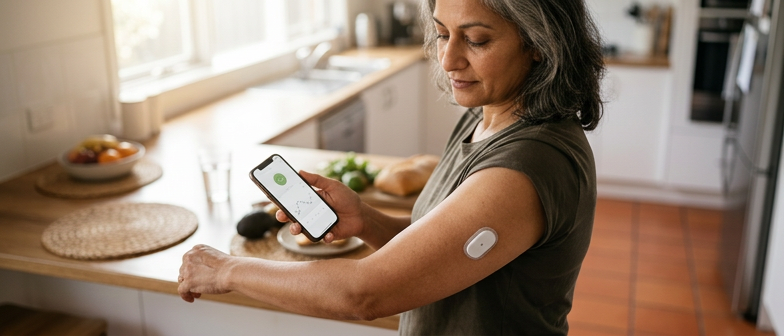
Continuous glucose monitoring, or CGM for type 2 diabetes, uses a small sensor under the skin to track glucose in the fluid around your cells day and night. For many people with type 2, especially those using insulin or medicines that can cause low glucose, it offers a clearer picture than occasional finger‑prick tests. It shows how meals, activity, stress, and medication changes affect your patterns, so you and your diabetes team can adjust doses, timing, or food choices more confidently. If you live with type 2 and wonder whether you can get a CGM, access usually depends on your treatment plan, your risk of hypos, and local funding rules, so it needs a personalised discussion with your doctor or an authorised diabetes educator.
It is normal for CGM readings to lag behind blood glucose, and this does not mean the sensor is faulty. CGM measures glucose in interstitial fluid, which changes more slowly than blood, so differences are most noticeable when levels rise or fall quickly, such as after exercise or a high‑carb meal. Understanding this delay helps you interpret the numbers safely and avoid over‑treating. People using CGM with type 2 diabetes are encouraged to focus on trends, time in range, and patterns over several days rather than reacting to every single reading or expecting it to match each finger‑prick exactly.
Day to day, a continuous glucose monitor for type 2 diabetes is most useful for spotting trends rather than reacting to every reading. Wear the sensor and use the graph to see how food, activity and medicines affect your levels. When you look at the screen, focus on the direction and speed of the arrows and overnight patterns, then decide whether to have a snack, go for a walk or discuss changes with your doctor or authorised diabetes educator, instead of worrying about each small rise or dip.
CGM alerts for type 2 diabetes are helpful when ranges are set thoughtfully. Many people begin with wider limits so alarms only flag more significant highs or lows, and then refine them with their diabetes team. If alerts keep going off, you can adjust thresholds or turn off non‑essential alarms to avoid stress and alarm fatigue. Treat each alert as a prompt to pause and check what is happening rather than an emergency; confirm unusual results with a finger‑prick test, especially if you feel unwell, are about to drive or plan exercise.
It is normal for CGM readings to lag behind blood glucose from a finger‑prick because the sensor measures fluid under the skin, not directly in the bloodstream. The delay is most obvious when levels change quickly, such as after meals, medicines or brisk walking, so avoid major decisions based on a single CGM value and watch the trend instead. If your CGM sensor keeps falling off, improve skin preparation, review where you place it and talk with your diabetes educator about adhesive options and timing insertions to avoid heavy sweating or swimming soon after.
For people using CGM for type 2 diabetes, alerts help most when they match your usual routine. Set glucose ranges with your diabetes team so you are warned early about lows or highs without constant alarms, and consider different limits overnight or when driving. When an alert appears, notice how you feel, what you last ate, and recent insulin or tablets before reacting. If a result looks unusual, confirm with a finger‑prick test before treating a suspected low.
CGM readings come from fluid under the skin, so they can lag behind blood glucose, especially during fast changes after meals, exercise or treating a hypo. Knowing this delay can stop you overtreating lows or chasing highs. If your CGM sensor keeps falling off, check the application steps, use clean dry skin, and ask an authorised diabetes educator about stronger adhesive patches, tapes or alternative sites.
Adults with type 2 diabetes can access continuous glucose monitoring through several pathways, depending on treatment and eligibility. The National Diabetes Services Scheme offers subsidised CGM for people who meet clinical criteria, usually those on intensive insulin therapy. Your doctor or authorised diabetes educator completes the NDSS CGM access form to explain why a device is appropriate, and NDSS then decides whether you can use funded CGM instead of paying full private cost.
If you do not qualify for NDSS support, you may still use CGM by self‑funding through pharmacies, diabetes clinics or trusted online suppliers within Australia. Some people with a DVA Gold Card can access CGM or flash monitoring when it is prescribed and approved under Department of Veterans’ Affairs rules. The essential step is discussing with your GP, endocrinologist or diabetes team whether CGM is suitable for your type 2 diabetes and can be used safely.
Authorised diabetes educators help people with type 2 diabetes move from interest in CGM to practical use. They explain available funding routes, including NDSS, private health cover and DVA options, and guide you and your doctor through the paperwork needed for CGM access. Educators also provide hands‑on training with sensors and readings so that once you obtain a system, you can interpret data and use alerts confidently in everyday care.
| Access pathway | Who it suits | Key steps | Funding level | Role of diabetes educator |
|---|---|---|---|---|
| NDSS‑subsidised CGM | Type 2 on intensive insulin | Discuss with specialist, complete NDSS CGM access form | Subsidised sensors | Assess suitability, help with forms and training |
| DVA Gold Card CGM | Eligible veterans with type 2 | GP or specialist prescription, DVA approval process | Entitlement‑based support | Explain DVA rules, support safe device use |
| Self‑funded CGM | Type 2 not meeting subsidy criteria | Choose device, buy via pharmacy or trusted online supplier | Fully self‑funded | Advise on product choice and practical use |
| Private health cover route | People with suitable insurance extras | Check policy, seek pre‑approval where needed | Partial reimbursement | Clarify options, integrate costs into care plan |
| Trial or short‑term CGM use | Unsure if CGM fits daily routine | Arrange short trial through clinic or educator | Limited, case‑by‑case support | Provide coaching, review data and ongoing need |
For people using CGM for type 2 diabetes, access often starts with an NDSS CGM access form completed by your diabetes specialist or an authorised diabetes educator. This confirms your diagnosis, treatment plan and whether you meet eligibility for subsidised sensors and transmitters, and helps clarify how any subsidy will sit alongside your own costs.
If you hold a DVA Gold Card, your care team can check whether CGM can be funded this way and what paperwork is needed with NDSS forms. Diabetes educators often coordinate between NDSS, DVA and your prescriber, arrange training on safe CGM use, and offer practical support with issues such as sensor placement and sharing glucose data.
When starting continuous glucose monitoring for type 2 diabetes, a common choice is between Dexcom ONE and FreeStyle Libre‑style sensors. Both reduce the workload of frequent finger‑prick tests but offer different everyday experiences. Dexcom ONE provides continuous readings and alerts, which can help if you use insulin or worry about night‑time lows. Libre‑type systems are usually scan based, suiting people who prefer to check trends around meals, activity, or sleep without constant alarms. Think about how often you want to see your glucose, whether you need alerts, and whether you are more comfortable using a phone app or a separate reader so the device fits your routines and confidence with technology.
Practical access is as important as features when choosing a CGM for type 2 diabetes. In Australia many people buy CGM online through pharmacy websites or licensed medical suppliers, sometimes using private prescriptions to keep sensors coming regularly. Before deciding on Dexcom ONE or Libre, check which system your clinic or authorised diabetes educator supports, what training is available, and how sensor replacement is handled if deliveries are delayed. Costs, private insurance cover, and eligibility for government support differ between brands, so discuss ongoing expenses and backup options with your diabetes care team. A device that you can afford, easily order from trusted Australian online suppliers, and get local help with will usually be more sustainable than choosing only by technical specifications.
| CGM option | Alert style and monitoring | Best suited user type | Access and support in Australia | Potential drawbacks |
|---|---|---|---|---|
| Dexcom ONE | Continuous stream with configurable alerts | Adults on insulin or worried about night‑time lows | Often supported by specialist clinics and diabetes educators | May feel intrusive for people sensitive to frequent alarms |
| FreeStyle Libre‑style | Scan‑to‑see readings, fewer automatic alerts | Users focused on meal, activity or sleep trends | Widely available through pharmacy and online suppliers | Requires regular scanning to avoid missing patterns |
| Phone app use | Real‑time graphs and sharing options | Tech‑confident users comfortable with smartphones | Easier remote support from care team | Battery, connectivity and notification overload issues |
| Dedicated reader use | On‑demand checks without phone notifications | Users preferring simple, separate devices | Often provided or recommended with some systems | Extra item to carry and keep charged |
| Cost and ordering fit | Depends on brand and funding pathway | Users needing predictable ongoing expenses | Can align with NDSS or private cover and online ordering | Mismatch between budget and sensor replacement schedule |
Can I use a CGM with type 2 diabetes and what is daily life like?
Yes. A small sensor tracks glucose continuously so you can see patterns from food, activity, stress and medicines, and adjust together with your diabetes team.
How should I handle CGM alerts when I have type 2 diabetes?
Set alert limits with your doctor or authorised diabetes educator. When an alarm sounds, check how you feel, recent meals and medicines, and confirm unusual results with a finger‑prick before acting.
How can I access CGM in Australia, including NDSS and DVA Gold Card options?
Access usually starts with an NDSS CGM access form completed by your doctor or diabetes educator. If you meet criteria, sensors may be subsidised, and DVA Gold Card holders can ask their team about veteran coverage.
For type 2 diabetes, how do Dexcom ONE and Libre‑style sensors compare, and what about cost in Australia?
Dexcom ONE provides continuous data and alerts, which may suit people using insulin or worried about hypos. Libre‑type sensors are scan‑based for on‑demand checks. Costs differ by supplier, and some users qualify for subsidies.
What can I do if my CGM sensor keeps coming off early?
Clean and dry the site, avoid creams, and use medical‑grade adhesive patches or tape over the sensor. If it still detaches, ask your diabetes educator about alternative sites, products or replacement under device policies.