
x
When you’re facing collision repair, the real worry is cost, safety, and choosing the right body shop. This guide helps you compare estimates, understand changes after teardown, evaluate deductible assistance, and confirm structural, paint, and ADAS work are completed correctly before you drive away.
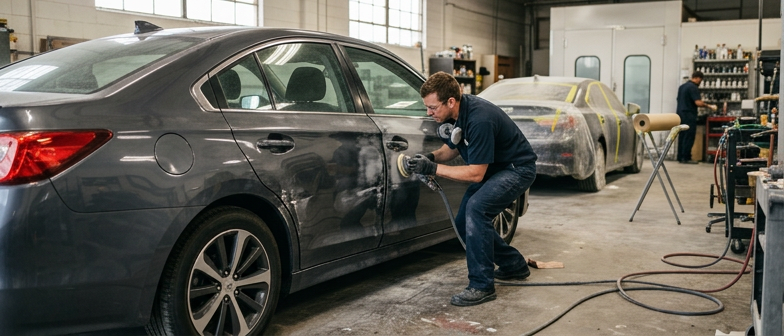
Modern collision repair involves more than replacing visibly damaged panels. Shops begin with a visual inspection, photos, and a written estimate based on exterior damage and basic checks. Because vehicles use high-strength materials and incorporate safety structures, sensors, and electronics, technicians often rely on manufacturer procedures, specialized welding, measuring tools, and electronic system scans. Hidden damage behind bumpers, fenders, and structural components is common, so a teardown is often needed to see the full extent of parts, labor, and any required calibrations.
After disassembly, the shop may find additional structural issues, bent mounts, or damaged electronic components that were not apparent earlier. When this happens, the original collision repair estimate is updated and the total cost can change after teardown. For insurance claims, the shop typically submits a revised estimate with documentation, and the insurer reviews what it will cover under the policy. Drivers paying out of pocket should expect the final bill to reflect both initial findings and added work, and can ask the shop to explain changes in parts, labor hours, or repair methods before approving further repairs.
Choosing a collision repair shop often involves balancing insurer recommendations with personal preferences. Insurers may list preferred body shops, but drivers are usually free to select any licensed facility. When comparing options, asking for a detailed written estimate helps clarify labor rates, parts choices, paint materials, and possible extra charges if hidden damage appears after teardown. It is useful to check whether the shop includes structural inspections, frame measurements, and evaluation of electronics and driver assistance features, rather than focusing only on cosmetic work. For repairs linked to an insurance claim, sharing the chosen shop’s estimate and clear photos with the adjuster can help align the repair plan with the policy and speed up authorization.
Out-of-pocket costs influence where the vehicle is repaired, especially when a deductible or non-covered items apply. A shop that explains how prices might change if additional damage is found and separates insurer-approved work from owner-paid items can make planning easier. Some repairers describe programs that may reduce the upfront deductible, but these options generally have eligibility conditions and need to be reviewed before signing repair documents. It is also important to consider whether the facility can handle frame repairs, calibrate modern safety and driver assistance systems if required, and verify overall safety before delivery. Comparing how different shops communicate, document repairs, and coordinate with insurers can help drivers select a collision repair provider that fits both safety priorities and budget limits.
| Repair Option | Typical Expertise | Cost & Out-of-Pocket Impact | Insurance Coordination | Best For |
|---|---|---|---|---|
| Dealership body shop | Strong OEM procedures | Often higher, deductible unchanged | Usually familiar with claim process | Vehicles with complex ADAS or frame checks |
| Independent collision center | Varies by training and tools | Can balance insurer and owner costs | May assist with documentation and photos | Drivers comparing safety and budget |
| Insurance‑preferred network shop | Focused on insurer standards | May streamline approved costs | Direct communication with adjuster | Claims needing faster authorization |
| Specialized structural & ADAS shop | Emphasis on frame and calibration | Out‑of‑pocket depends on advanced work | Detailed reports for complex repairs | Significant structural or electronics damage |
When reviewing collision repair estimates, look closely at how each shop lists labor hours, parts prices, and charges for materials or fees. A low total is not automatically better if it skips needed operations or relies on non‑OEM parts without explaining the impact on safety, durability, or your out‑of‑pocket cost. Line items should show whether the shop plans structural checks, electronics diagnostics, and refinishing steps that keep the vehicle safe and the repair transparent.
Because teardown can reveal hidden damage, the final repair cost may change after the initial estimate. Ask how the shop documents extra work, requests your approval, and updates your insurer before proceeding. Clarify what you might pay yourself if the claim does not cover every procedure, and request a revised estimate that explains why costs increased and how the added work protects vehicle structure and long‑term performance.
In collision repair, the insurance deductible is the portion of the bill you must pay before the insurer contributes. Because this amount can be large, some body shops or third‑party programs offer limited help or payment plans to ease out‑of‑pocket costs. These options usually have rules, such as minimum repair totals, limits on how much of the deductible can be reduced, or conditions tied to specific insurers. Any assistance or payment plan typically has to be discussed and approved before repairs start, so the shop can document the agreement and reduce confusion when the vehicle is ready.
Eligibility for deductible assistance or cost‑sharing depends on the insurer, claim type, total repair cost, and the shop’s internal policies. Some facilities only offer help on certain claims, while others may allow staged payments so the deductible is paid over time instead of in a single lump sum. Because practices differ, it is important to ask early how the shop handles deductibles, what information or credit checks are needed, and whether any assistance could influence repair choices such as parts or procedures. Clarifying these points in advance helps you understand your realistic out‑of‑pocket cost and lowers the chance of disputes after the work is completed.
Some collision repair shops offer deductible assistance, but programs are usually limited and depend on factors like the type of insurance policy, the total claim amount, and internal shop rules. Before repairs begin, drivers should ask whether any help with the deductible is available, how it is documented on the repair order, and whether it complies with their insurer’s terms and local regulations. It is important to verify eligibility in advance by requesting written conditions, such as minimum repair cost thresholds, exclusions for certain claims, or requirements to use the shop’s preferred payment methods, and by confirming that any reduction in out of pocket cost does not involve misrepresenting the actual repair charges to the insurance company.
When a collision affects the vehicle’s frame or other structural parts, repairs move beyond cosmetic work and become critical for crash safety. Technicians should measure the body and frame against manufacturer specifications, then pull or replace bent sections to restore alignment and strength. Because modern vehicles rely on engineered crumple zones and load paths, incorrect straightening or using non‑specified methods can change how the vehicle manages impact energy in a future crash. Drivers told their vehicle has frame damage can ask how alignment is verified, whether official repair procedures are followed, and when components are replaced instead of repeatedly straightened.
Advanced driver‑assistance systems add complexity after structural or suspension repairs. Cameras, radar, lidar, and ultrasonic sensors are often mounted to glass, bumpers, grilles, or body panels that may be removed or realigned, and small changes in position or ride height can affect how these systems detect vehicles, pedestrians, or lane markings. Collision centers that handle ADAS calibration should rely on manufacturer instructions, use proper aiming targets and scan tools, and only clear warning lights after systems respond as expected. Owners can ask which calibrations their model requires, how the work is documented, and whether a road test confirms that assistance features behave normally.
After structural work and any needed calibrations, a post‑repair safety inspection helps confirm the vehicle is ready for regular driving. This typically includes checking airbags and seat belt pretensioners for correct installation and fault codes, confirming crash and stability sensors function, and ensuring steering, braking, and suspension operate smoothly without abnormal pull or noise. Warning lights should follow the designed startup sequence and then turn off, and the vehicle should track straight during a test drive. If new vibrations, steering wander, or unusual safety‑system behavior appear after pickup, documenting the concern and returning promptly allows technicians to recheck the repair before it contributes to added risk.
Can my collision repair cost change after the shop tears down the vehicle?
Yes. Teardown can reveal hidden structural or mechanical damage and extra ADAS calibration needs, so the estimate may be updated and sent to you and your insurer.
What should I look for when choosing where to fix collision damage?
Check certifications, structural measurement capability, paint and materials details, and whether they can scan and calibrate safety systems, not just repair cosmetic panels.
How do I compare collision repair estimates without risking safety?
Compare line items for structural checks, diagnostics, and refinishing. A lower price that skips manufacturer procedures or key safety steps may cost more later.
When should I ask about deductible assistance at a body shop?
Ask before any repairs start. Confirm written rules, eligibility, limits on deductible help, and that the invoice sent to the insurer still reflects the actual repair cost.
What post‑repair checks help confirm my vehicle is safe to drive?
Request a printout of scan results, ADAS calibration reports, and frame measurement records, then test basic functions like braking, lights, and driver assistance features.