
x
Cold baths and guided cold plunges attract people looking for better recovery and stress relief, but they also raise questions about safety, age limits, pregnancy and health restrictions, costs, and what to bring. This overview helps you weigh benefits, risks, and practical choices at gyms or home installations.
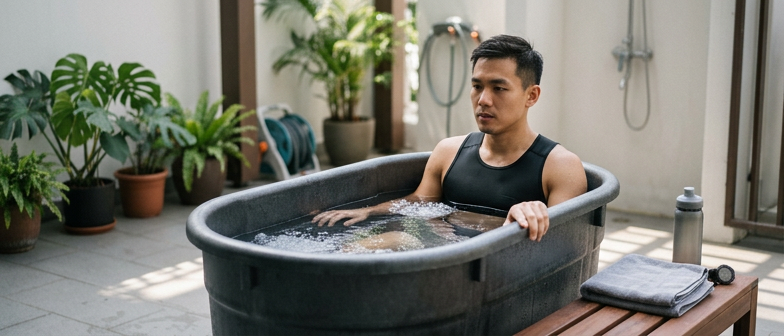
A cold bath, sometimes called an ice bath or cold plunge, is a form of hydrotherapy where the body is immersed in cold water for a short time. Unlike a cool shower, the whole body or at least the lower half is submerged, creating a stronger cooling effect. It contrasts with warm pools or sauna use, which emphasise heat and sweating. Some people alternate between cold immersion and heat to see how their bodies respond. Although cold bathing is often presented as a wellness trend, it fits within longer traditions of using water and temperature to support recovery and stress management rather than offering guaranteed health results.
People try cold baths for reasons such as muscle recovery after training, a sense of increased alertness or mood, or curiosity about practices they see in gyms and wellness centres. Beginners may join guided sessions, where someone explains typical water temperatures, safe immersion times, breathing techniques and how to exit calmly, which can reduce anxiety about the first attempt. Others use bathtubs or dedicated tubs at home, sometimes combining an ice bath with time in a sauna and noticing which order feels more comfortable after exercise. In all settings, cold immersion is an intense physical experience, so it is important to consider personal health conditions and treat it as one possible recovery tool rather than a stand‑alone cure.
Many people use a cold bath to support recovery, mood, and stress management. Short immersion in cold water can reduce how sore muscles feel after demanding exercise for some individuals, but study results are mixed and the effects are usually modest. Research on inflammation and circulation shows possible short term changes, yet findings differ between exercise types and most trials involve small groups. On the mental side, brief cold exposure may feel energising or calming, and beginner focused sessions often include breathing and coping techniques. However, current data do not support cold water as a stand alone therapy for anxiety, depression, or other medical conditions, so expectations should stay measured and focused on temporary changes in comfort rather than guaranteed health outcomes.
Because the evidence base is still developing, people are encouraged to treat cold immersion as one optional tool rather than a single solution. Athletes choosing between an ice bath or sauna after training usually need to consider personal tolerance, health status, and performance goals, since comparisons do not point to one method that clearly suits everyone. Researchers continue to study how temperature, time in the water, and session frequency influence benefit and risk, which means widely shared routines may not fit every body or medical situation. Beginners who prefer guidance can use supervision to learn safer entry, exit, and breathing habits, yet medical advice remains important, especially for anyone with cardiovascular disease, uncontrolled blood pressure, or other health restrictions.
| Cold Bath Use Case | Potential Benefit Level | Scientific Certainty | Key Limitation | Suggested Approach |
|---|---|---|---|---|
| Post‑exercise muscle soreness | Modest relief | Mixed evidence | Small studies, variable protocols | Treat as optional recovery tool |
| Inflammation and circulation changes | Short‑term shifts | Uncertain impact | Differences between exercise types | Avoid assuming long‑term health gain |
| Mood, energy, stress feelings | Noticeable for some | Limited data | Subjective responses, no lasting proof | Use for brief comfort, monitor reaction |
| Anxiety or depression management | Low standalone benefit | Insufficient evidence | Not a primary medical therapy | Rely on clinical care, add only with advice |
| Ice bath or sauna after training choice | Depends on individual goals | No clear winner | Tolerance and health status differ | Experiment cautiously, track performance |
| Guided cold plunge for beginners | Higher perceived safety | Practice‑based, not trial‑based | Does not remove medical risk | Combine supervision with medical guidance |
On training days, an ice bath or other cold bath soon after heavy strength or power work may ease soreness but can slightly reduce long term muscle gains, so some people keep colder water for lighter sessions or competition. A sauna or other heat exposure after training often feels relaxing and may support circulation, yet can be tiring if you are already overheated or dehydrated. Because individual responses differ, it is reasonable to start with short, moderate sessions, watch how sleep, soreness, and performance change over several weeks, and treat both cold and heat as tools to test carefully rather than as guaranteed ways to improve results.
Cold baths put the body under sudden stress, so age and supervision are important. Children and younger teens have less stable circulation and temperature control, which raises the risk of fainting, breathing difficulty or a drop in core temperature after leaving the water. Many coaches prefer full immersion ice baths only for older teenagers who understand the risks, follow structured training plans and can clearly describe how they feel. Younger people are generally safer with shorter, milder cooling and close supervision, avoiding very low water temperatures and long sessions. Parents or other adults should watch for persistent shivering, pale or blotchy skin, dizziness or distress, and stop the session immediately if these appear.
Existing health conditions strongly influence whether cold immersion is appropriate. People with heart disease, previous heart attack, uncontrolled high blood pressure, serious circulation problems or a history of stroke face higher risk because cold narrows blood vessels and can disturb heart rhythm. Asthma, chronic lung disease, nerve or muscle disorders, diabetes and reduced sensation in the hands or feet can also make cold stress harder to tolerate or mask early signs of harm to the skin. Pregnancy adds extra uncertainty, as rapid temperature changes can affect blood flow to the uterus. Anyone who is pregnant, recovering from major surgery or living with an ongoing medical condition should ask a doctor or qualified health professional before using an ice bath, rather than relying only on general wellness advice.
Beginners are often safer starting with a guided cold bath or plunge in a controlled setting instead of attempting extreme temperatures alone at home. A trained guide can set conservative water temperatures and time limits, explain common reactions such as rapid breathing, and help participants slow the breath, exit carefully and warm up. New users should avoid combining intense cold with dehydration, heavy alcohol use or very long heat exposure on the same day, and should not treat cold immersion as a replacement for medical care. Entering gradually, keeping the head above water, having a towel and warm clothing ready, and stopping at once if chest pain, severe shortness of breath, confusion or ongoing numbness arises can help make cold baths a measured recovery tool rather than a risky challenge.
Medical advice is important before a cold bath if you have heart or circulation disease, uncontrolled blood pressure, respiratory problems, diabetes or other metabolic disorders, a history of fainting, or are recovering from serious illness or surgery. People taking several medications, and children or teenagers, should only try cold immersion after a doctor has reviewed their overall health and set safe limits.
Pregnant individuals and anyone with specific health restrictions should discuss cold baths with a healthcare professional in advance. Changes in circulation during pregnancy and conditions such as neurological disease, Raynaud’s phenomenon, or reduced skin sensation can increase risk. If you feel unwell, or notice chest pain, marked dizziness, or unusual abdominal discomfort, postpone the session and seek medical guidance.
When planning a first cold plunge at a gym or wellness facility, treat it like a brief, demanding workout. Check in advance how long each immersion usually lasts, whether the pool is shared or private, and if there is access to a sauna or warm shower nearby. Ask what clothing is allowed, as venues may differ between swimwear and quick‑dry sportswear. Bring a towel, non‑slip footwear for wet floors, and warm clothes to change into afterwards. Drink water, but avoid arriving with a very full stomach or after drinking alcohol, because both can affect circulation and comfort. When comparing prices, look at what is included in the session fee, such as instructor support, use of heat facilities and time limits, rather than focusing only on the headline cost.
Beginner‑oriented sessions often start with a safety briefing and gradual exposure instead of pushing for maximum time in the water. Staff may introduce simple breathing techniques, explain warning signs such as dizziness, chest discomfort or unusual shortness of breath, and show how to exit the pool calmly. Inform the team if you have cardiovascular or respiratory conditions, or if you are pregnant, and follow any restrictions they recommend. For early visits, aim for shorter immersions and leave extra time so you are not rushing between the cold bath and other commitments. If you also use a sauna, ask about the suggested order and rest breaks, as switching quickly between extreme temperatures can feel stressful for some people.
What should I bring to my first guided cold plunge session at a wellness center?
Bring swimwear or permitted sportswear, a towel, non-slip sandals, a water bottle, and warm clothes for after. Avoid alcohol beforehand and ask about sauna or shower access in advance.
How does alternating a cold plunge with a sauna after training affect recovery?
Cold after hard strength work may ease soreness but can slightly reduce long-term muscle gains. Sauna can feel relaxing but may worsen fatigue if you are overheated, so keep both short and monitor your response.
Are there age limits or health restrictions for ice baths?
Full ice baths are usually reserved for older teens and adults. Children need milder, shorter cooling with close supervision. Anyone with heart, circulation, breathing, or metabolic disease should get medical advice first.
What basic maintenance and filtration does a home cold plunge tub require?
You need a suitable filter system, regular cleaning of the tub, and periodic water treatment checks. Ongoing maintenance cost depends on electricity use, filters, and cleaning supplies rather than the tub alone.
Is a cold bath or sauna better right after endurance training?
Neither is universally better. A short cold bath may reduce perceived soreness, while a moderate sauna can support relaxation. Choose low to moderate exposure, stay hydrated, and adjust based on how your body feels later.