
x
A carbon monoxide detector is often the only warning you’ll get before this invisible gas becomes dangerous. This guide helps you choose, install, test, and replace alarms, understand different sounds and lifespans, and know exactly what to do if the alarm goes off.
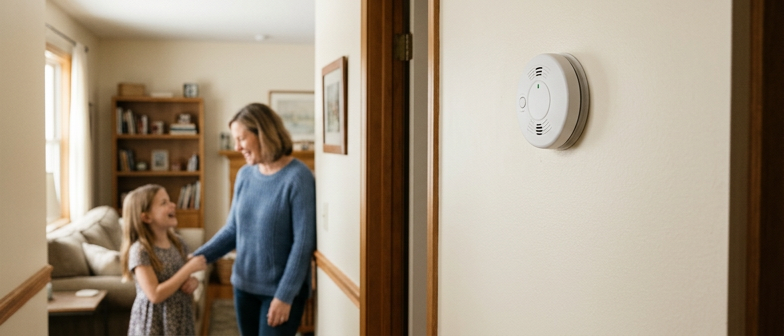
Carbon monoxide is a colorless, odorless gas produced by fuel‑burning appliances, vehicles, and generators, and it can build up indoors without anyone noticing. Even low levels can cause headache, dizziness, and nausea, while higher concentrations can quickly lead to unconsciousness and death. Because you cannot see or smell this gas, a Carbon Monoxide Detector is the only reliable early‑warning tool that alerts you before symptoms become life‑threatening, especially while people are asleep and less likely to recognize signs of poisoning.
Modern alarms are designed not to go off at the first tiny trace of gas, but to respond when carbon monoxide levels and exposure time become dangerous, which is known as the carbon monoxide detector alarm response time. Residential units that meet the UL 2034 Carbon Monoxide Detector standard are tested to sound within specific time windows at set concentrations that balance avoiding nuisance alarms with giving you enough time to get outside and call emergency services. Having at least one properly installed, UL‑listed detector on every level of your home turns an invisible hazard into a clearly heard warning that can save lives.
When choosing a carbon monoxide detector, focus on the technology and power source. You can use plug‑in units, hardwired alarms with battery backup, or battery‑only models that are easy to place near bedrooms and in hallways. Many modern options are sold as 10‑year carbon monoxide detectors, with a sensor and often a sealed battery intended to last for a decade, but the entire device must be replaced at the end of that period. Always confirm the packaging clearly states it is a carbon monoxide detector for residential use, not just a smoke alarm.
Certification determines how a detector behaves in real conditions. Look for wording that it complies with UL 2034, the main residential standard. A UL 2034 carbon monoxide detector is tested so that its alarm response time falls within strict limits at different gas concentrations, reducing nuisance alerts while still reacting in time to hazardous levels. Picking a certified unit means its sensitivity and alarm timing have been independently checked rather than based only on marketing promises.
Price and features help narrow down the right model. Basic alarms have a lower carbon monoxide detector price, while units with digital readouts, smart‑home connectivity, or combination smoke and CO sensing cost more. Consider the full expense, including carbon monoxide detector installation cost if you choose a hardwired system, instead of just the shelf price. Simple battery‑powered detectors are usually the most affordable and flexible, but hardwired alarms may suit new builds or renovations better, so balance budget, lifespan, and convenience.
| Detector type | Typical lifespan & power | Maintenance needs | Best use case | Key trade-offs |
|---|---|---|---|---|
| Plug-in CO detector | Short to medium life, outlet powered with backup battery | Occasional battery changes, outlet must stay clear | Apartments or rooms with convenient outlets | Easy setup, limited placement flexibility |
| Battery-only CO detector | Short to medium life, replaceable batteries | Regular battery checks and replacements | Flexible placement near bedrooms and hallways | High flexibility, ongoing battery attention |
| 10 year carbon monoxide detector | Long life, sealed lithium power | No battery swaps, full unit replacement at end of life | Owners wanting low ongoing upkeep | Higher upfront cost, must replace whole unit |
| Hardwired CO detector with backup | Long service with building power plus backup battery | Periodic backup battery changes, pro installation | New builds, major renovations, code-focused projects | Strong reliability, added installation cost |
| UL 2034 carbon monoxide detector | Life varies by model and power type | Follow label for testing and replacement | Homes wanting tested alarm response time | More assurance, may narrow model choices |
A 10-year carbon monoxide detector uses a sealed lithium battery and electronics rated to work for about a decade, after which the sensor can no longer reliably measure carbon monoxide. Unlike traditional plug-in or battery-powered models with replaceable batteries, this long-life unit must be replaced entirely at the end of its service life. It will give a distinct end-of-life warning pattern, different from a low-battery chirp, to show when to replace the carbon monoxide detector rather than just change the battery. Even if it appears fine and the test button still produces a sound, follow the manufacturer’s date stamp or printed replacement date and plan to install a new alarm on schedule.
A carbon monoxide detector only protects you if it is in the right place and installed correctly. Most homes should have one on every level, including the basement, with at least one near each bedroom so it can wake you if gas builds up at night. Do not mount it right next to fuel‑burning appliances or inside bathrooms where steam can cause issues. Instead, follow the manufacturer’s directions and place it on a wall or ceiling a few feet from stoves, furnaces, or water heaters but still in the same general area.
Many plug‑in or battery‑powered carbon monoxide detectors are simple to install yourself. Mark the location, drill pilot holes if needed, attach the mounting bracket, then snap the detector in place and turn it on. Press the test button to confirm the alarm sounds and review the manual, especially for models that meet UL 2034 or similar safety standards. When updating older alarms, keep or improve their locations and make sure new units are easy to see and not hidden by furniture or curtains.
Carbon monoxide detector installation cost depends mainly on how many units you need and whether they are hardwired. Most battery or plug‑in models can be installed by homeowners with no extra labor, while hardwired or combination smoke and CO units may require an electrician and added fees. Extra features like digital displays or smart‑home connectivity increase the price, but professional installation and proper placement are still inexpensive compared with the protection these detectors provide.
Carbon monoxide detector installation cost depends on more than the basic carbon monoxide detector price. Plug in or battery powered models are usually cheaper to install than hardwired alarms tied into your electrical system. Labor from a licensed electrician or safety professional adds hourly charges and possible minimum fees. Expenses rise if new wiring, extra outlets, or additional detectors are needed to meet safety guidance, and regional labor rates can make the same carbon monoxide detector project noticeably more or less expensive in different areas.
Regular testing is the only way to know if a carbon monoxide detector can still warn you in time. Press and hold the carbon monoxide detector test button at least once a month until you hear the full alarm pattern, not just a single chirp. This self-test checks the internal electronics and sounder but does not measure how the sensor reacts to real gas. Do not use an open flame or vehicle exhaust to test the unit, because that is unsafe and can damage the detector. Instead, follow the manufacturer’s instructions on how to test a carbon monoxide detector and make sure everyone in the home recognizes the alarm pattern and knows how to respond when it sounds.
Most plug-in and battery-powered units depend on fresh batteries to meet the required alarm response time, so battery care is essential. Replace standard batteries at least once a year or whenever the detector chirps every 30 to 60 seconds, which usually signals low power, not a carbon monoxide emergency. Do carbon monoxide detector battery replacement in a well-lit area, matching the battery type and orientation shown on the label, then close the compartment securely. After installing new batteries, press the test button again to confirm the alarm operates correctly, and note the date of the battery change on the detector or in a household maintenance log.
Even with good testing and battery maintenance, the sensor inside a carbon monoxide detector wears out over time. Most models have a service life of about five to seven years, while many sealed 10 year carbon monoxide detectors are designed to be replaced as a whole unit at the end of life. The device usually shows an end-of-life message or a repeated chirp pattern that is different from the low-battery signal, and the manual explains what those sounds mean so you know when to replace a carbon monoxide detector. Do not try to extend the life by resetting or silencing these warnings; once the sensor has expired, you need a new detector.
How should I safely test my carbon monoxide detector?
Use the carbon monoxide detector test button once a month and hold it until the full alarm sounds. Do not test with flames, exhaust, or any gas source; follow the manufacturer’s instructions only.
When should a 10 year carbon monoxide detector be replaced?
Replace it by the printed expiry date or 10 years after installation, whichever comes first. If it gives an end‑of‑life chirp or light pattern, install a new unit rather than changing batteries.
What does it mean if my carbon monoxide alarm chirps at night?
A single, spaced chirp usually means the battery is low; replace the battery soon. A repeated pattern described in the manual can mean the sensor has expired and the whole detector must be replaced.
What should I do if the carbon monoxide detector keeps going off?
Treat it as an emergency: get everyone outside into fresh air, call emergency services from outdoors, and stay out until professionals say it is safe. Do not try to find or fix the leak yourself.
What is UL 2034 for carbon monoxide detectors?
UL 2034 is a safety standard that sets how quickly a home carbon monoxide alarm must respond at specific gas levels and helps reduce nuisance alarms. Choosing a unit tested to UL 2034 improves reliability.