
x
Most people start with a quick search and a hopeful click, yet whether you leave glowing or disappointed often comes down to details you barely see advertised. The person’s training, the feel and scent on your skin, even the room’s light and sound quietly shape how your body recovers and unwinds.
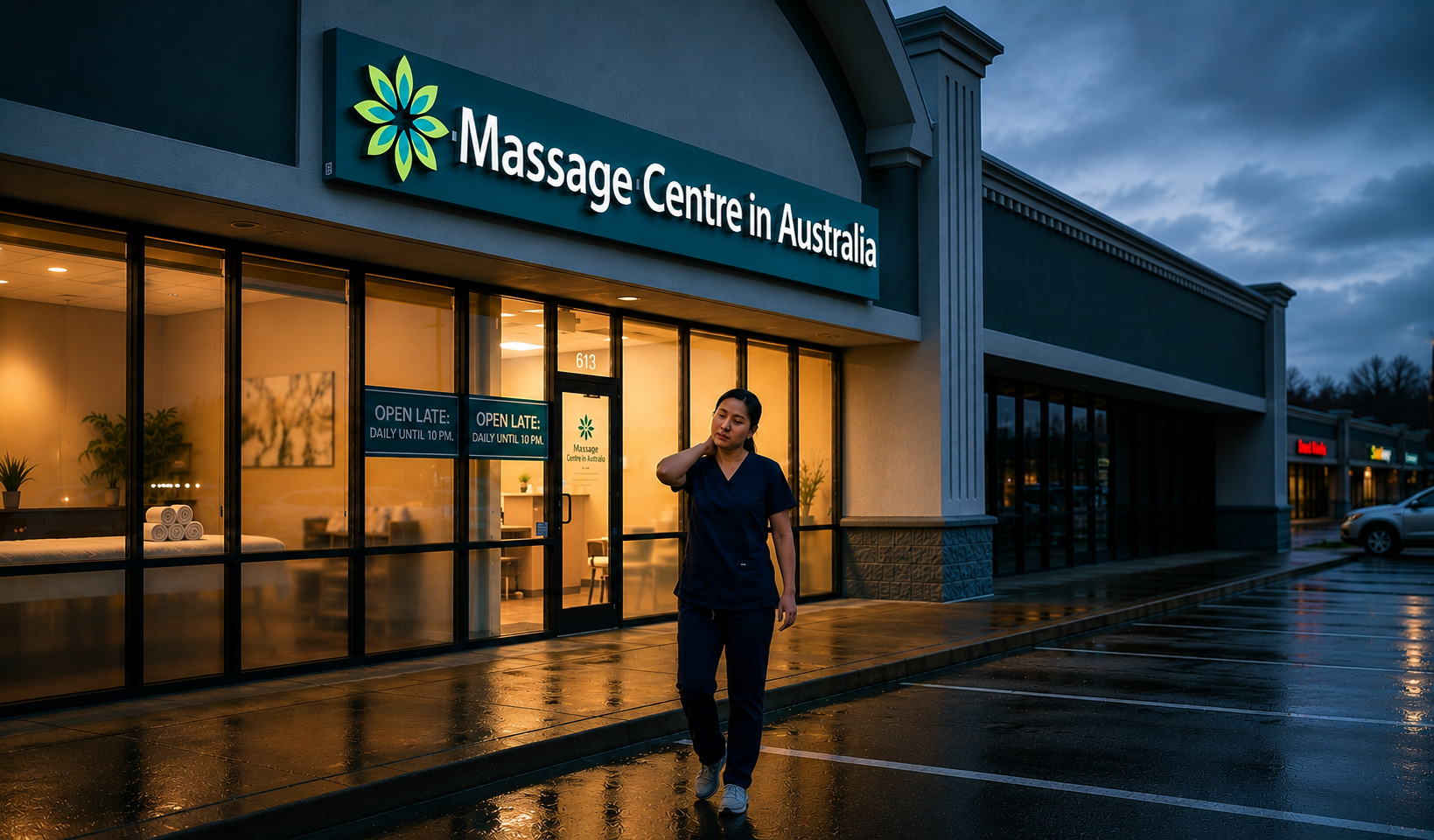
Scrolling through listings, it’s easy to stop at the closest place with the highest stars. The more useful clues sit in the fine print. A clear outline of what is offered, how long each appointment runs, and how fees are structured shows the business is willing to be upfront. Vague phrases that could mean almost anything, especially around “extras” or “full service”, can signal fuzzy boundaries.
Images deserve a quick, critical look as well. Slightly imperfect photos of real rooms usually say more than perfectly staged stock shots. Try to spot practical details: are there fresh towels? Does the room look uncluttered? Can you see the actual table and equipment?
Reviews help most when you read for specifics rather than emotion. Middle‑of‑the‑road comments often tell you whether the practitioner adjusted pressure, checked in about comfort, or handled noise from outside. Mentions of strong chemical smells, rushed appointments, or surprise add‑ons are worth noting.
Before you step through the door, the tone of communication offers a preview of how you will be treated. When you call, email, or send a message, notice whether anyone asks about injuries, health conditions, or areas you would like them to avoid. A quick script pushing you straight to payment, without basic screening, may mean your wellbeing is not the main focus.
Straightforward information about cancellations, late arrivals, and what you will wear or how you will be covered throughout the visit helps set clear expectations. If you feel hurried, talked over, or brushed aside during that first chat, that feeling usually grows stronger once you are on the table.
| What you notice before booking | What it may suggest about the place |
|---|---|
| Detailed service descriptions, clear timing, simple booking process | Comfortable with transparency; likely to have organised systems |
| Vague wording, confusing offers, pressure to pay quickly | Focus on turnover over individual needs |
| Staff asking about your health and preferences | Some level of training and concern for safety |
| No questions about your body or goals at all | Risk that sessions are one‑size‑fits‑all |
The moment you enter, your senses decide whether to relax or stay on guard. Small environmental cues add up to a big difference in how deeply you can unwind.
Soft, indirect lighting tends to feel safer than harsh downlights or a room that is almost dark. Gentle lamps or warm glows let you see enough to feel oriented while still giving privacy. You should be able to tell the table is set up properly and that the space is easy to move around.
Sound can either support relaxation or undo it. Constant thumps from footsteps, loud conversation just outside the door, or music that is too bright or fast keeps your nervous system slightly braced. More soothing options might be quiet instrumental tracks, low nature sounds, or simply a well‑insulated room where outside noise is muted.
Smell may be the strongest influence of all. Heavy perfume, thick incense, or sharp cleaning odours can leave you tense or even nauseous. Lighter touches are usually kinder: a mild essential oil in the air, freshly washed linens, and generally neutral air. Surfaces can be hygienic without smelling like a soaked mop.
Cleanliness shows up in the details that your eyes land on when you are half‑dressed: corners without dust, floors without oily footprints, and no lingering scent from previous clients. The table should be neatly prepared with fresh covers, and there should be a clear spot for your clothes and belongings.
If you catch yourself scanning for dirt, worrying about where to put your bag, or keeping one eye open in case someone barges in, the environment is not helping. When the room is well cared for, your senses send a quiet, consistent message that it is safe to let go.
A soothing touch feels nice, but real benefit tends to come from someone who understands the body and its limits. A well‑educated practitioner has spent time on anatomy, how different tissues respond to pressure, and how to screen for concerns that need medical input rather than manual work. That background helps them adapt rather than run the same sequence on everyone.
Before getting started, someone with proper training will usually ask about pain history, operations, medications, and anything that flares your symptoms. This information guides what they do, and just as importantly, what they avoid.
A responsible practitioner also knows when to step back. Certain patterns of pain, changes in strength or sensation, or new problems in sensitive areas may prompt them to suggest you see a first. It is a sign of professionalism, not a lack of skill, when they are clear about what they can and cannot safely try.
Good hands are paired with clear words before, during, and after the appointment. You should hear a plain explanation of which areas they plan to work on and what you might feel. Checking your consent before touching more private regions, and reminding you that you can ask for changes at any time, builds trust.
Throughout the appointment, their attention should stay on your comfort and health. Small check‑ins about pressure, temperature, and position show they are listening. Conversation, if there is any, should never drift into flirting, suggestive remarks, or sales pitches that feel unrelated to your goals.
Warning signs can be subtle at first. Grand claims of curing complex conditions quickly, titles that sound impressive but are hard to trace, or reluctance to suggest other forms of care even when things are not improving all deserve caution. Any hint that services are on offer, or that staff are not protected by firm policies, is a reason to walk away.
A centre that takes boundaries seriously tends to make that visible with clear guidelines for both clients and therapists. That protects everyone involved and turns what could be an awkward situation into a respectful, supportive experience.
| Aspect of care | More reassuring signs | Concerning signs |
|---|---|---|
| Training and scope | Willing to explain their background in simple terms; clear about limits | Vague or changing stories about qualifications; “fixes everything” claims |
| Boundaries and consent | Talks openly about what is appropriate; invites questions | Avoids the topic; hints at services that feel unclear or uneasy |
The product on your skin shapes how the whole appointment feels. A lighter texture tends to spread quickly and soak in fast. It usually suits short sessions, warmer days, or anyone who dislikes a lingering film on their clothes afterwards.
Richer blends move more slowly under the hands and can give a cushioned, enveloped sensation. They are often chosen for dry or more mature skin that soaks up moisture. Some mixes aim for a middle ground: enough slip for the practitioner to work without dragging, but not so heavy that you feel coated.
If you are not sure what suits you, asking for a small amount on your forearm first can be handy. Notice how far it goes, whether it stays workable for more than a minute or two, and how your skin feels a little while later.
Fragrance can tilt the whole mood. Soft, dessert‑like notes feel cosy and nurturing to some people, while bright citrus or herbal tones feel clearer and more energising. For others, any strong smell is simply too much. Those prone to headaches, nausea, or skin flare‑ups often do best with unscented or very gently scented options.
Skin quirks deserve a mention before you start. Areas that feel rough, flaky, or tight may appreciate blends that focus on locking in water and smoothing the surface. Easily irritated skin may cope better with simpler ingredient lists and soothing plant extracts instead of long lists of perfumes and colours.
A short chat about allergies, past reactions to skincare, and how you hope to feel walking out the door helps the practitioner choose wisely. The ideal product for you is not just slippery; it supports your comfort, respects your skin, and fits your day.
How can I choose the right “Massage Near Me” option in Australia rather than just the closest one?
When searching “Massage Near Me”, compare more than distance and star ratings. Check whether the clinic lists therapist qualifications, treatment types and pricing clearly, and whether they mention health screening or intake forms. In Australia, look for providers registered with relevant industry associations, which usually indicates minimum training standards and professional insurance.
What types of massage therapy are most useful for office workers and tradies?
Massage therapy for Australian office workers often focuses on neck, shoulders and lower back, using remedial or myofascial techniques to ease desk‑related strain. Tradies usually benefit from deeper work on hips, legs and forearms. A good massage therapist will mix relaxation and remedial techniques, then suggest spacing of sessions based on workload and recovery needs.
How do I know if a massage therapist is properly qualified and safe?
Ask where they studied, how many hours of training they completed, and whether they provide receipts for private health rebates, common in Australia. A safe massage therapist explains what they will do, asks about medications and injuries, and encourages you to speak up. Hesitation to answer questions about training or scope of practice is a warning sign.
What should I look for in massage oil if I have sensitive or sun‑exposed skin?
If your skin is sensitive or often sun‑exposed, choose massage oil that is light, low‑fragrance and labelled for sensitive skin. In Australian climates, non‑comedogenic, fast‑absorbing carrier oils help avoid clogged pores in hot weather. Ask the therapist to patch‑test on a small area first and avoid strong essential oils if you burn or react easily.
How can I tell if a “Near Massage Centre” or branded place like The Massage Centre suits my needs?
Compare how The Massage Centre or any near massage centre describes its focus: stress relief, remedial work, pregnancy, sports, or a mix. Check if they match you with a massage therapist experienced in your concerns, and whether they offer flexible session lengths. Reading Australian clients’ reviews about communication and professionalism helps confirm overall fit.