
x
Losing a tooth can feel overwhelming, especially when every clinic promises quick fixes, dazzling results and low prices. Yet the real challenge is finding a nearby team that combines evidence‑based planning, precise surgery and transparent fees, so your restored smile feels secure, natural and genuinely attainable.
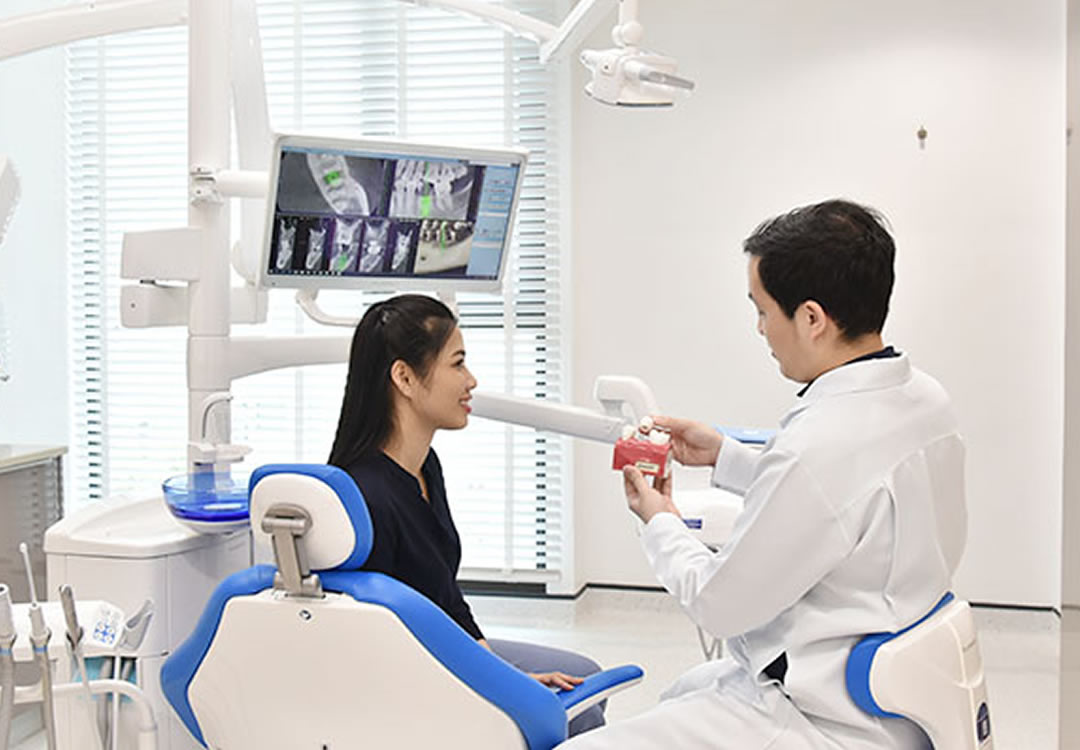
Marketing often makes it sound like you walk in toothless and walk out biting into apples. In reality, “same day” usually refers to placing a temporary tooth or bridge on the very day the implant goes in, so you are not left with a visible gap. The metal fixture still needs months to fuse with bone before it behaves like a strong, permanent root. That biological healing rhythm does not speed up just because a clinic has a catchy slogan or tight schedule. Understanding this gap between appearance and strength helps line up expectations, comfort and budget so they all point in the same direction.
Rapid treatment can be extremely helpful if missing teeth affect your job, social life or confidence. Someone greeting customers all day may value immediate appearance more than someone working from home. For the right candidate, a well‑planned same‑day approach can reduce time off work, limit temporary dentures and deliver a presentable smile quickly. The key is strict selection: good bone support, healthy gums, controlled inflammation and bite forces that can be kept gentle at first. When those boxes are genuinely ticked, early loading can be both safe and convenient.
The fine print matters. Strong advertising rarely lists all the conditions under which the fast option is safe. Thin or soft bone, long‑standing infections, smoking, uncontrolled medical issues or heavy grinding can all make immediate loading riskier. Forcing speed when the foundation is shaky increases the chance of loosening, pain or expensive re‑treatment later. A nearby clinic that is comfortable saying “not yet” or “let’s stage this” is often protecting both your health and your wallet, not being difficult. Asking directly, “Why do you think a rapid approach is or isn’t right for me?” can reveal how thoughtful the planning really is.
Many people focus on the lowest number they see in an ad. Yet overall cost usually includes several visits, scans, surgery, temporary teeth, final crowns and future check‑ups. Some clinics strip out steps to look cheaper: shorter consults, fewer reviews, basic imaging only. That can save money upfront but may store up problems. If planning is rushed and cleaning advice is thin, the price to fix complications later can easily exceed what a more thorough plan would have cost. Real value lies in a clear map of the whole journey, not one attractive figure on a poster.
In Australia, distances, work hours and family commitments matter. A clinic that seems cheaper on paper might need more separate visits, long waits between stages or limited appointment times. Every extra afternoon off work, long drive, or rushed school pick‑up becomes part of the “price”. Sometimes a slightly higher fee at a place that plans efficiently, combines scans and consults, and offers early or late slots ends up kinder to your life and finances. Asking how many visits, how long each lasts, and how flexible the schedule is can be just as important as asking about dollars.
Any quote is easier to judge when it is unpacked. A practical way to compare local options is to write down what each includes:
| Aspect of care | Things to ask the clinic about | How it can affect your choice |
|---|---|---|
| Planning & scans | Are 3D images, photos and study models included? | Better planning often means fewer surprises later. |
| Surgical stage | What is covered if extra bone or gum work is needed? | Clarifies whether “extras” will stretch your budget. |
| Temporary teeth | Are provisional teeth provided, and for how long? | Influences comfort, speech and appearance during healing. |
| Final teeth | Which materials are used, and can you choose? | Balances look, strength and cost in visible and back areas. |
| Reviews & maintenance | How often are check‑ups, and what do they cost? | Helps predict long‑term spending and commitment. |
Using a table like this during consults turns vague talk of “packages” into something you can actually compare at home, away from any sales pressure.
Skill is hard to measure from a waiting room, but the way a clinician plans and explains speaks volumes. Careful practitioners ask about your health, habits, job and anxieties before talking numbers. They want to know if you clench your jaw, smoke, swim a lot, or rely on certain foods. They often sketch, point to images and show models, rather than rushing through jargon. When someone calmly outlines more than one pathway – faster vs slower, staged vs all‑at‑once – and links each to real‑world pros and cons, that is a strong sign of thoughtful planning rather than one‑size‑fits‑all selling.
A nearby team that handles questions openly usually works that way in surgery too. If they welcome a second opinion, admit where there is uncertainty, and use plain language to describe risks, it reflects confidence built on training, not bravado. Pay attention to how they respond when you ask, “What could go wrong?” or “What if I delay this for a year?” Defensive or vague answers can be a warning sign. Clear explanations about success ranges, back‑up plans and what they would do in your situation if it were their own mouth show genuine care.
High‑quality implant work always looks beyond the day of fitting the final tooth. Good clinics talk about how often you should come back, which brushes or flossing tools suit implants, and how gum health and smoking can change outcomes years down the track. They might schedule routine reviews and professional cleaning around the implants, even when everything looks fine. When a dentist discusses what might happen five or ten years ahead, rather than promising that “it will last forever”, it shows they are realistic and ready to look after you for the long haul.
Typing a quick search into your phone may bring up a cluster of clinics around your suburb, all using similar words. Yet “same day” can mean very different things from door to door. One place may offer same‑day assessment only, with surgery scheduled later. Another might combine removal, placement and temporary teeth into one long visit supported by an experienced team and digital guides. Others may simply provide emergency patches or temporary fillings but still use strong “immediate” language. Asking clinics to walk you through the exact steps that happen “that day” helps separate marketing from reality.
A practice at the end of your street is wonderful for quick checks or simple fillings. For implant treatment, convenience also means having most services under one roof: detailed imaging, surgery, temporary adjustments and final fittings. Some smaller surgeries work with external imaging centres or specialists, which may add complexity or extra travel. On the other hand, they might offer more personalised follow‑up once the main work is done elsewhere. Looking at the whole journey – how many locations, who does what, how your records flow – gives a clearer view than map distance alone.
Going into a consult with a short list of questions can keep you calm and focused. Useful examples include: how many visits are likely in your case, what happens at each, and roughly how long the whole journey will take from first scan to final tooth. Ask how a rapid approach would differ from a more traditional, staged plan in terms of risk, healing time and lifestyle limits. A dentist who happily draws a simple timeline, marks rest periods, and points out when you will need soft foods is helping you plan your life, not just your surgery.
Money questions can feel awkward, but clear answers now prevent stress later. Ask what the quote includes, how often it changes in real life, and how extra work – such as grafting, repairs or replacement of a temporary tooth – would be charged. Check whether you will receive a written plan you can read at home and discuss with family. It is also reasonable to ask what happens if an implant fails to integrate, how often that occurs in their practice, and what financial arrangements apply if a tooth has to be re‑done. Honest, specific responses show respect for your budget.
Implants feel most “worth it” when they keep working smoothly in daily life. Asking about maintenance from the start sets the tone. Helpful questions include how often you should return, what cleaning tools they recommend, and whether there is a reminder system for reviews. Clarify how minor issues like a chipped crown, loosened screw or sore gum around an implant are usually handled, and whether any support is included for a set period. That information lets you factor ongoing costs into your decision and gives a sense of how committed the clinic is to long‑term care.
After all the research, tables and notes, the final decision often comes down to how comfortable you feel in the chair. A team that listens without rushing, explains without jargon and respects your need to think things over is usually a safer partner for a long treatment journey. If you feel you can ask “silly” questions without judgement, you are more likely to speak up early if anything feels wrong later, which protects both your health and your investment. That mix of clear facts and genuine ease is the real “sweet spot” between speed, skill and cost in any nearby implant clinic.
How do I choose the best dental implant dentist near me in Australia?
Look for an AHPRA-registered dentist or specialist, strong before‑and‑after portfolio, use of reputable implant brands, in‑house 3D scanning, clear treatment plans, and transparent fees with written quotes.
Are “same day implants near me” safe and suitable for everyone?
Same day implants can be safe but only for selected patients with good bone density, healthy gums, and no uncontrolled medical issues; thorough assessment and 3D imaging are essential first.
What affects the cost of affordable dental implants near me?
Costs depend on implant brand, surgeon’s experience, need for bone grafts or sinus lifts, type of crown, clinic location, and whether sedation and follow‑up maintenance are included in the price.
How can I find the most affordable dental implants near me without sacrificing quality?
Compare itemised quotes, check if the clinic uses TGA‑approved systems, ask about payment plans and health fund rebates, and prioritise experience and infection control over rock‑bottom prices.
What makes the best place for dental implants near me different from a regular clinic?
A top implant clinic usually offers 3D CBCT imaging, digital planning, in‑house surgery and restorations, strict sterile protocol, sedation options, and coordinated long‑term maintenance.