
x
Auto glass repair decisions often start with questions like whether a chipped windshield can be safely fixed, how long side window replacement takes, or if comprehensive insurance helps with the bill. This guide walks through when to repair or replace different auto glass, how mobile and in‑shop services compare, and what to prepare for quotes and claims.
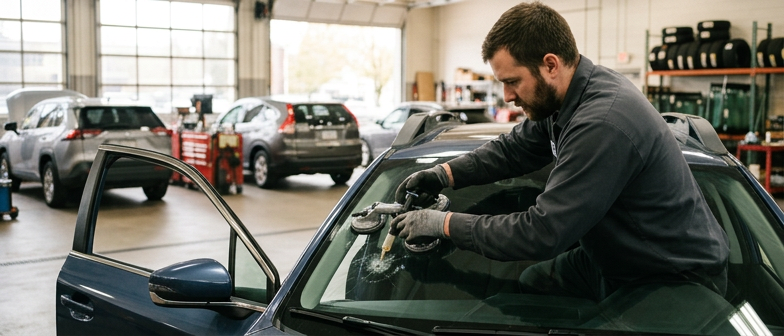
Auto glass repair can involve the windshield, side windows, rear window, and smaller fixed panels such as quarter or vent glass. These parts are built differently and support visibility and crash protection, so a technician first identifies which pane is damaged and how. Typical problems include stone chips, small pits, long cracks, and complete breakage. Size, depth, and location of the damage, plus whether it reaches the inner safety layer, all affect the repair strategy. Because windshields are usually laminated and most other windows are tempered, the construction of the glass helps determine whether repair or full replacement is appropriate.
Whether a windshield chip can be repaired or a cracked pane must be replaced depends on several technical criteria. Small chips away from the edges and outside the main viewing area are often filled with resin, and multiple chips on one windshield may be treated in a single visit if they meet safety guidelines. Long cracks, damage that reaches the inner plastic layer, or breaks close to the frame are more likely to call for replacement to preserve structural strength and airbag support. Technicians also assess how many impact points exist, how old the damage is, and whether dirt or moisture has entered the break before deciding if several chips or a visibly cracked windshield can still be repaired safely.
A technician decides if a chip or crack is repairable mainly by size and location. Small damage that is away from the driver’s direct view, the outer edges of the glass, and sensitive areas such as sensors is more likely to be treated instead of replaced, because a repair is less likely to affect visibility or overall strength.
When there are several chips, each impact point is inspected separately and the general condition of the windshield is checked. Repairing a few minor chips in one visit is common and often takes under an hour, but if there are longer cracks, spreading damage, or safety concerns, the technician may recommend replacing the windshield rather than continuing with repairs.
Choosing between repairing a damaged windshield and replacing it depends mainly on the size, depth, and location of the defect. Small chips and short cracks away from the driver’s direct view and the glass edges are often safely repaired with resin. Long cracks, damage reaching the outer edge, or breaks that affect the inner plastic layer usually require full replacement to protect the vehicle’s structure and support safety systems. Technicians typically inspect the glass in person before giving a replacement estimate so the decision is based on safety criteria, not just appearance.
Time considerations matter, especially when there are several damaged spots. Repairing multiple small chips is usually faster, as each area is filled with resin and cured, and a set of minor repairs can often be completed in under an hour. Replacement takes longer because the old windshield must be removed, the frame cleaned and prepared, and the new glass installed and allowed to set before driving. If several chips are spread across already weakened glass or near existing cracks, technicians may advise replacing the windshield instead of repairing three or more separate areas.
Insurance coverage can influence the choice and cost of work. Comprehensive policies sometimes include glass repair and replacement, but the extent of coverage and any deductible for windshield work depend on the insurer’s terms. Some policies treat chip repair differently from full replacement, with lower out-of-pocket costs when the glass can be repaired. To submit a windshield claim, drivers generally confirm that comprehensive coverage applies to glass, review their deductible and any specific glass provisions, then contact the insurer or use its online system to report when and how the damage occurred so the insurer can determine whether repair or replacement is appropriate.
| Step in process | Main action | Key decision factor | Likely outcome |
|---|---|---|---|
| Notice windshield damage | Check chip or crack location | In driver view or near edge | Lean toward replacement |
| Initial technician inspection | Assess size and depth | Reaches inner plastic layer | Replacement recommended |
| Choose repair vs replacement | Compare safety and visibility | Multiple small chips on strong glass | Resin repair preferred |
| Estimate time needed | Consider number of damaged spots | Several chips on weakened glass | Replace instead of repairing each |
| Review insurance coverage | Confirm comprehensive glass terms | Different rules for repair vs replacement | Repair may reduce out-of-pocket |
| File insurance claim | Report damage details to insurer | Policy deductible and glass provisions | Insurer approves repair or replacement |
For a cracked windshield repair or replacement quote, glass shops usually ask for the vehicle’s year, make, model, and sometimes the VIN. They also need to know about sensors, cameras, heating elements, special tint, and whether the damage is in the driver’s line of sight. Clear photos and a short description of the incident help them estimate parts, labor, and any safety system calibration.
Before filing a windshield repair insurance claim, drivers typically confirm whether their policy includes comprehensive coverage for glass and how deductibles apply to repair versus full replacement. Insurers often request policy details, the date and cause of the damage, and a repair estimate from a glass shop, then decide if the claim is covered and whether the driver should use preferred providers or may choose another shop that fits the policy terms.
Side windows and door glass protect occupants from debris, weather, and intrusion, so cracked or shattered panels are usually replaced rather than repaired. For most passenger vehicles, replacing a side window often takes about one to two hours of labor, but timing varies with door design, the availability of matching glass, and whether parts such as window regulators or clips are also damaged. Technicians typically remove interior trim, clear broken glass, inspect the door frame, install the new pane, and check that the window moves and seals correctly. Vehicles with laminated side glass, framed doors, or integrated sensors may need extra checks and adjustments, which can extend the appointment.
When arranging side window or car door glass work, cost and timing depend on several details rather than a fixed price. A quote is usually based on the glass type, tint and safety rating, the vehicle’s make and model, and any additional sealing or calibration needed to limit wind noise and water leaks. Mobile auto glass service can be practical if local conditions allow safe on‑site work, but some vehicles are better handled in a repair shop with controlled lighting and tools for removing interior panels and cleaning out shards. Drivers are typically asked for the year, make, model, and a brief description of the damage so the provider can confirm parts, estimate labor, and explain the safety checks that follow installation.
Mobile auto glass services bring technicians to your home, workplace, or another safe location, which can be helpful if a cracked windshield or broken side window makes driving risky. This option usually suits simpler windshield chip repairs or standard replacements when the glass is easy to reach outdoors. In-shop services take place in a controlled bay with fixed tools and equipment, so they are often better for complex damage, unusual glass designs, or vehicles that need precise calibration of driver-assistance sensors after new glass is installed.
When choosing between a mobile visit and a nearby glass shop, consider the type of damage, the weather, and your schedule. A local shop may complete side window or door glass replacement more efficiently if parts and technicians are on hand, while mobile service can reduce disruption to your day for routine work. Many providers offer both choices but limit which jobs are done on the road to manage safety and quality. Asking in advance what services are available in your area, how long each option typically takes, and any parking or space requirements can help you decide which approach fits your repair or replacement needs.
How do I know if my windshield chip is repairable instead of needing replacement?
Most chips can be repaired if they are small, not in the driver’s direct line of sight, and not reaching the glass edge or inner plastic layer. A technician should inspect the damage before deciding.
Does comprehensive auto insurance usually cover windshield repair?
Comprehensive coverage often includes windshield chip or crack repair, sometimes with a reduced deductible. Exact coverage and cost depend on your policy terms, so check with your insurer.
How long does side window replacement on a car typically take?
For many passenger vehicles, replacing a side window takes about one to two hours. Complex door designs, laminated glass, or damaged regulators can extend the time.
What is the difference between mobile auto glass repair and going to a shop?
Mobile services come to your location and work well for standard repairs or replacements. Shop visits provide controlled conditions and equipment, which suit complex damage or sensor calibration.
What should I prepare before filing an insurance claim for windshield repair?
You usually need your policy details, vehicle year, make, model, and photos of the damage. Describing any sensors or special features on the glass helps the insurer and glass service plan the repair.