
x
When your fridge leaks, the ice maker stops working, or the dishwasher won’t drain, it’s hard to know if repair, replacement, or assistance programs make more sense. This guide helps you compare repair costs, decide if an old appliance is worth fixing, and find low‑income support for essential kitchen equipment.
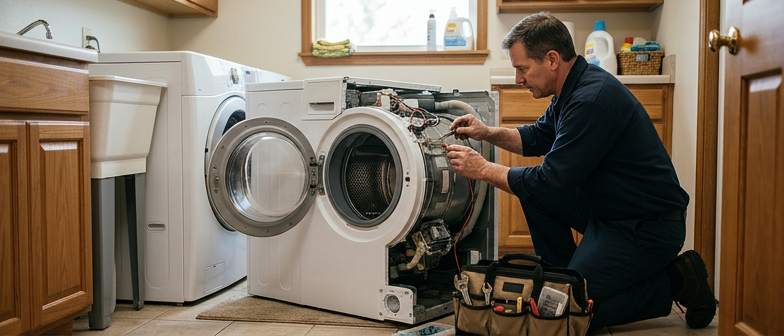
Modern appliance repair keeps refrigerators, dishwashers, ranges, washers, and dryers running safely and efficiently instead of replacing them as soon as problems appear. When a fridge leaks, a dishwasher stops cleaning, or a dryer runs too long, technicians use tools and step‑by‑step diagnostics to locate the faulty part, decide if the appliance is still worth fixing, and restore normal operation. Because many appliances now rely on electronic control boards, sensors, and smart features, repair work combines mechanical skills with reading error codes and following manufacturer service information so you can make informed choices about repair versus replacement.
For most households, the process starts when you book an appliance repair appointment online, through an app, or by phone and share details such as the appliance type, brand, age, and symptoms. The service company sets a visit window, explains any diagnostic fee, and notes whether parts are usually on the truck or may need to be ordered after inspection. During the visit, the technician checks power and water connections, tests key components, and reviews findings before you approve work, allowing you to weigh repair costs against the appliance’s remaining life and prepare questions while ensuring clear access to the machine.
One of the most common refrigerator issues is leaking water. Puddles under the fridge can come from a cracked water line, a clogged defrost drain, or a loose connection to the ice system. Many homeowners are unsure who fixes leaking refrigerators because the fault can involve plumbing, cooling parts, or the built‑in ice maker. If you see repeated leaks or water near electrical parts, shut off the water supply and contact a certified appliance technician instead of taking the fridge apart yourself.
Another frequent complaint is a refrigerator making a loud noise, especially buzzing, rattling, or scraping sounds at night. These noises can point to a failing evaporator fan, a worn condenser fan motor, or vibrations from a struggling compressor. Basic checks, such as making sure the fridge is level and the rear vents are clear, may quiet minor vibrations. If the sound continues or gets worse, schedule professional refrigerator noise repair, because ignoring it can lead to weak cooling, higher energy use, or a sudden breakdown.
Ice makers bring their own problems, from no ice to small, misshapen cubes or ice that tastes bad. Before you search for an ice maker repair service nearby, confirm that the ice maker is turned on, the bin is not overfilled, and the water filter is not overdue for replacement. If the unit still fails, overflows, or stops dispensing ice, a technician can test the water inlet valve, sensors, and wiring to decide whether it is better to repair the ice maker or replace it for your specific model and budget.
| Problem scenario | Typical DIY checks | When to call a technician | Risk level if ignored |
|---|---|---|---|
| Floor puddles near fridge | Check water line, defrost drain, connections | Leak repeats or near electrical parts | High |
| Loud buzzing or rattling | Level fridge, clear rear vents, remove obstructions | Noise persists or worsens after basic checks | Medium to High |
| Weak or misshapen ice cubes | Confirm ice maker is on, bin not overfilled, replace water filter | No improvement or recurring ice quality issues | Medium |
| No ice or dispenser not working | Verify water valve open, look for kinks or frozen fill tube | Ice maker still fails, overflows, or stops dispensing | Medium |
| Internal leaks around ice maker | Turn off ice maker, dry area to observe source | Visible leak path or spreading moisture damage | High |
If you find water under your fridge, unplug it, slide it slightly from the wall, and look for simple causes such as a blocked defrost drain or a cracked ice maker water line. Take photos of the leak and nearby damage so you can request a clear leaking fridge repair cost estimate from a local appliance technician or warranty provider. If water reaches electrical parts or cabinet damage spreads, stop using the appliance and arrange service with a qualified professional instead of attempting a complex repair yourself.
Humming, knocking, or grinding from the back or bottom of the fridge often means trouble with the condenser fan, evaporator fan, or compressor, and refrigerator making loud noise repair can become costly if delayed. Note where the sound comes from and whether cooling declines, then share those details with the service company that fixes leaking refrigerators and other cooling issues. If the noise worsens, the fridge runs nonstop, or breakers trip, shut it off, move food to another cooler, and book appliance repair promptly.
If your freezer stops making ice or cubes are small and hollow, check simple issues before contacting an ice maker repair service nearby. Confirm the ice maker is switched on, the water valve is open, and the fill tube is not frozen. Replace a clogged water filter and inspect the supply line for kinks. If you see leaks inside the freezer or down the back wall, turn off the ice maker and dry the area so you can spot where the leak returns.
When these quick checks do not fix the problem, decide whether to repair or replace the ice maker. Built‑in units are usually worth repairing in newer refrigerators when a single part such as the inlet valve or motor has failed and parts are easy to find. If the ice maker breaks repeatedly, parts are discontinued, or the repair quote is close to the price of a replacement kit, many people choose a full ice maker replacement instead.
In kitchen appliance repair, a dishwasher that will not drain is one of the most common problems. Food scraps, grease, or a clogged filter can leave dirty water in the tub, and a failed drain pump or kinked hose can stop water flow altogether. Before booking appliance repair service, you can check the filter, run the garbage disposal, and confirm the drain hose is not pinched. If these steps do not help, scheduling professional help for a dishwasher that is not draining is usually safer than forcing it to run, because technicians can deal with the plumbing and electrical connections and look for small leaks or worn parts that hurt cleaning performance.
Many owners want at least a rough dishwasher repair cost estimate before deciding what to do. Service companies typically consider the age of the machine, parts availability, and whether the job is a simple hose or sensor swap or a more involved pump replacement. If other kitchen appliances are acting up, it can be cheaper to arrange one appliance repair visit that covers several issues. Asking for the estimate in writing, including diagnostic and parts charges, makes it easier to compare repair with replacement or to seek financial assistance when bills are high, so you can plan for reliable kitchen appliances instead of reacting to emergencies.
A dishwasher repair cost estimate usually depends on the fault, the brand, and how hard it is to reach and replace parts. A basic repair when the dishwasher is not draining may only require clearing a clogged filter or hose and often sits at the lower end of the price range, while fitting a new control board or pump is more expensive because of parts and labor. Online cost tools can give a rough figure, but paying for an in‑home quote is often useful if the machine is older or has several issues, or if you are weighing repair against replacement. A clear written estimate lets you compare the likely repair bill with the price of a new appliance and any support programs before you decide.
When is it better to book an appliance repair appointment than replace a fridge or dishwasher?
Repair usually makes sense if the appliance is under 8–10 years old, has a simple fault, and the estimated bill is under about half the price of a comparable new model.
Who fixes leaking refrigerators, and how is the leaking fridge repair cost figured out?
Certified appliance repair technicians handle most leaks; plumbers step in only when household plumbing is involved. Cost depends mainly on the leak source, parts, labor time, and any damage they find.
Is an old fridge worth repairing, or should I plan on refrigerator repair or replacement?
When a fridge is 12–15 years old and keeps failing, replacement is usually better. Get a written quote, compare it with an efficient new unit, and consider energy use and any remaining warranty.
What should I try if my dishwasher is not draining before asking for a dishwasher repair cost estimate?
Clean the filter, run the garbage disposal, check the drain hose for kinks, then restart. If water still pools or the pump sounds strained, stop using it and request a professional estimate.
How can low‑income households apply for appliance repair or replacement assistance?
Check local energy‑saving programs, housing nonprofits, and utility assistance schemes. Most ask for income proof and a basic inspection or repair report, so keep invoices and warranty documents ready when you apply.