
x
Trying to flatten your stomach but unsure whether home workouts, fitness apps or online coaching are worth the cost? This guide outlines a realistic 4‑week belly‑focused plan, how often to train your abs, expected timelines for visible change, and budget‑friendly program options.
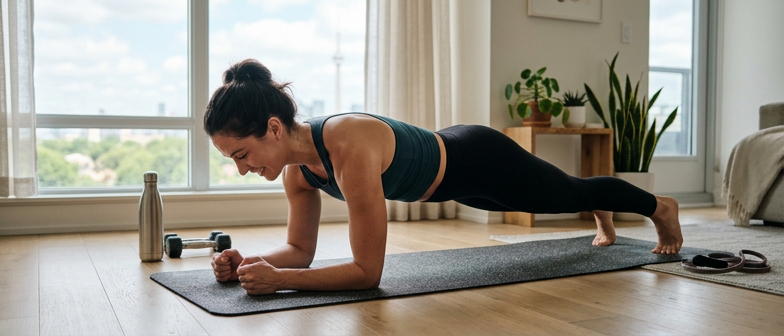
A flatter stomach is mainly influenced by overall body fat and how the waist and abdominal muscles are shaped, not by doing large numbers of sit-ups alone. Research on physical activity suggests that regular cardio that elevates your heart rate, combined with whole-body strength training, can help reduce total fat, including around the midsection. When people look for a workout plan for a flat stomach, they usually need a mix of aerobic exercise, resistance work, and targeted core training. Home workouts can support visible changes when they are done consistently at an appropriate intensity and combined with eating patterns that help you maintain or gradually lower body fat. Core exercises improve strength, posture, and definition, but they do not directly remove fat from the belly area without overall changes.
The time it takes for your stomach to look flatter varies and depends on your starting point, health, genetics, and how regularly you follow your routine. Public health guidelines often recommend at least 150 minutes of moderate aerobic activity per week plus muscle-strengthening work on two or more days, and this is a common baseline for a four-week or longer plan. Some people notice small changes, such as clothes feeling different or a more stable core, within a few weeks, while more obvious visual changes usually take longer and are not guaranteed on a fixed timeline. Home-based plans that combine brisk walking or similar cardio with body-weight strength moves and short core sessions can be effective if they fit your schedule well enough that you can keep doing them. Focusing on feeling stronger, standing taller, and building sustainable habits is generally more realistic than expecting a specific visual result by a certain date.
Over four weeks, you can follow a simple plan that combines moderate cardio, full-body strength work, and beginner core training at home to support a flatter-looking midsection. In weeks one and two, aim for three to four workout days. Include two days of brisk walking, cycling, or light jogging for about 20 to 30 minutes, plus one to two days of strength training with bodyweight moves such as squats, push-ups against a wall or bench, hip bridges, and band rows. Add short, beginner-friendly core sessions after these workouts, focusing on dead bugs, bird dogs, planks on the knees, and side planks with controlled breathing and steady movement.
In weeks three and four, gradually increase either duration or difficulty while staying within your energy limits and any medical advice you have received. Cardio sessions can extend to 30 to 40 minutes, and strength training can increase to two or three sessions using slightly more demanding options such as full planks, slow bicycle-style core movements, or light weights if available. For most people, training the abdominal muscles two to four days per week is enough, because the core also needs rest to adapt and avoid excessive fatigue or discomfort. It helps to rotate front, side, and deep core exercises instead of repeating the same sit-up pattern.
This four-week structure is a starting point for beginners at home, but changes in belly fat and how flat the stomach looks depend on overall activity, eating habits, sleep, and stress. Public health guidelines often recommend around 150 minutes of moderate aerobic activity each week plus strength work on at least two days, and this plan fits within those ranges for many adults. Pay attention to warning signs such as sharp pain, unusual breathlessness, or soreness that does not fade, and adjust intensity, sets, or frequency if needed. Visible changes in the stomach usually appear gradually, so consistent effort and safe progression are more realistic than expecting a specific result by a fixed week.
For a beginner flat stomach routine at home, short sessions that mix core exercises with simple cardio can be useful when paired with broader lifestyle changes. Focus on bodyweight moves such as planks, dead bugs, glute bridges and side planks for core stability, plus low-impact cardio like marching or step-ups to raise your heart rate. Prioritize careful technique over intensity: keep ribs down, breathe steadily, and stop if pain appears rather than normal fatigue. Regular home workouts can gradually support a flatter-looking stomach mainly by improving posture, core strength and overall energy use, while visible changes also depend on eating habits, sleep, stress and individual factors.
When you follow a structured workout plan for a flatter stomach, common options are fitness apps, online coaching, and one‑time purchase programs. Fitness apps usually offer pre‑built workouts, videos, and tracking for a recurring fee. Online coaching adds personalised plans, feedback, and check‑ins, which typically costs more and suits people who want guidance or have specific needs, such as past injuries or limited equipment. One‑time payment plans often sit between the two in practice: they can be more economical over the long term than subscriptions and may include a reusable four‑week belly‑focused schedule, but they rarely provide ongoing support.
Costs depend on the level of features more than on the label of the program. A simple flat‑stomach guide is generally less expensive than a fitness app with extensive content or an online coach who adjusts training regularly. When comparing how much a program costs, focus on what you receive in return, such as structured sessions that build core strength, support overall activity, and explain how recovery fits in. It is also useful to consider how clearly the plan discusses timelines, because changes in how flat your stomach looks vary with factors such as body composition, diet, and how consistently you follow the plan.
For home workouts, choose the format that fits your budget, schedule, and need for feedback. Self‑motivated people who are comfortable training alone may prefer a lower‑cost alternative to monthly apps, such as a single‑payment belly‑fat program or written plan. Those who need accountability or help with exercise technique may benefit more from online coaching even at a higher price. Whatever you choose, check free trial conditions carefully, because many workout subscriptions continue and start charging if you do not cancel before the trial ends.
| Coaching Format | Guidance & Feedback | Cost Over Time | Flexibility For Home Belly Workouts | Best Fit For |
|---|---|---|---|---|
| Subscription Fitness App | Low to medium, mainly generic cues | Medium to high, recurring payment | High, on‑demand sessions and tracking | Tech‑comfortable users wanting structure |
| Online Coaching | High, personalised feedback and check‑ins | High, ongoing professional service | Medium, scheduled sessions and adjustments | People needing accountability or injury support |
| One‑Time Payment Belly Program | Low, mostly fixed written guidance | Low to medium, single upfront payment | Medium to high, reusable four‑week plan | Self‑motivated beginners focused on budget |
| Self‑Designed Home Plan | Very low, self‑guided only | Very low, minimal direct expense | High, full control of schedule and exercises | Experienced exercisers confident modifying workouts |
Costs for a flat‑stomach workout plan vary with format. Fitness apps and online coaches usually have ongoing fees, while downloadable or one‑time purchase programs tend to be cheaper. Higher prices often reflect continued guidance or updated content, but do not guarantee faster changes in your waistline. When choosing, think about what you can sustain over time and whether the plan’s structure matches your fitness level and schedule.
Many workout apps and coaching services start charging automatically after a free trial. To avoid unwanted payments, read the pricing and cancellation rules before signing up, set a reminder near the trial end date, and confirm how to stop renewal. If monthly subscriptions feel expensive, look at lower‑cost options such as simple home routines or single‑payment guides that you can reuse.
The time it takes for your stomach to look flatter on a workout plan varies with starting body fat, genetics, eating habits, sleep, and how steadily you train. A four‑week core‑focused plan can start the process, but noticeable changes in waist size and muscle definition usually take longer and may not follow a straight, week‑by‑week pattern. It is more useful to look for gradual trends such as less bloating, clothes fitting differently, and being able to perform core exercises with more control and endurance over time.
Tracking progress in several ways can make a flat‑stomach routine more informative and safer. You can measure your waist at the same point, note how many quality repetitions of core moves you complete, and monitor how your back and hips feel during and after sessions. Periodic photos under similar lighting and posture help reveal changes that are easy to miss day to day. For safety, increase volume gradually, warm up before training, avoid holding your breath during intense core work, and stop if you feel sharp pain, dizziness, or unusual discomfort. Rest on planned days, adapt exercises that irritate existing issues, and seek medical or qualified fitness advice if you are unsure whether certain movements suit your health status.
Can home workouts really help my stomach look flatter?
Yes, if you combine regular home cardio and full‑body strength with a core routine and eating habits that support lower overall body fat.
What does a simple 4‑week belly‑focused workout plan include?
Most beginner plans mix 3–4 days per week of brisk walking or light jogging, basic strength moves, and short core sessions with planks, dead bugs, bird dogs and side planks.
How many days a week should I train my abs for a flat stomach goal?
Two to four focused core sessions per week are usually enough, provided you also do cardio, full‑body strength work and recover between sessions.
Which is better for belly‑fat goals, a workout app or online coaching?
Apps are cheaper and give standard programs, while online coaching costs more but offers personalised plans and feedback, which can help if you need guidance or have injuries.
How long before my stomach looks flatter when I start this kind of training?
Some people notice subtle changes in 4–8 weeks, but visible results depend on starting body fat, consistency, nutrition, sleep and stress management.